The short version
- Lana Nusseibeh joins the race for UN Secretary-General as a late contender, citing deadlock among existing candidates and bringing endorsement from the State of Palestine.
- Her candidacy faces significant opposition from human rights groups and Latin American states, who cite UAE involvement in Sudan and concerns about regional representation.
- Supporters highlight her diplomatic success in facilitating humanitarian aid to Gaza, while critics point to denials regarding arms supplies to conflict factions in Africa.
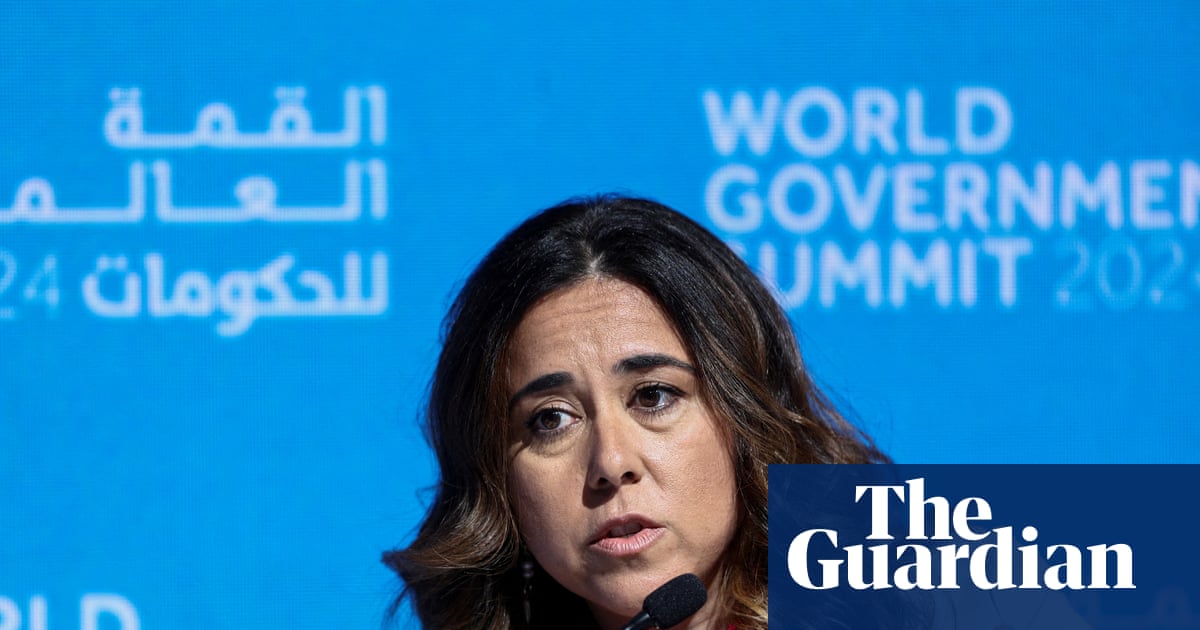
The contest to succeed António Guterres as United Nations Secretary-General has taken a new turn with the late entry of Lana Nusseibeh, an Emirati diplomat known for her work facilitating humanitarian aid to Gaza. Her arrival into the race comes after six rounds of voting in which no candidate established a clear lead, creating a situation that Nusseibeh described as close to deadlock within the Security Council. The timing of her announcement has disrupted emerging consensus dynamics, particularly affecting Rebeca Grynspan of Costa Rica, who had held the lead spot in the latest straw poll but faced objections from two unidentified permanent members.
Nusseibeh brings a distinct profile to the field, combining diplomatic experience with personal heritage that resonates with specific geopolitical constituencies. Born in Abu Dhabi in 1978 to a father who emigrated from Jerusalem after the 1967 Arab-Israeli war, she is of Palestinian descent and has long advocated for the two-state solution. This background has earned her the formal endorsement of the State of Palestine, adding a layer of political significance to her candidacy that distinguishes her from other contenders. Her educational background includes studies at Cambridge University, and she is related to Sari Nusseibeh, a prominent Palestinian intellectual.
Supporters argue that her practical diplomatic achievements make her uniquely suited for the role. Brett McGurk, a former national security adviser in the Biden administration, praised her ability to navigate complex relationships, noting that her efforts were instrumental in making the UAE the largest global provider of humanitarian aid to Gaza according to UN data. Nickolay Mladenov, who heads the Gaza Board of Peace under the Trump administration, emphasized her consistent professionalism and willingness to build bridges within the Security Council. These endorsements frame her candidacy as one grounded in operational effectiveness rather than purely ideological positioning.
However, her entry has triggered immediate and fierce backlash from human rights organizations and certain regional blocs. Critics point to the United Arab Emirates’ contested role in the conflict in Sudan, specifically allegations that the UAE supplied weapons to the Rapid Support Forces (RSF). Two successive US administrations have accused the RSF of genocide, and a January 2024 report by a UN panel of experts described allegations of arms smuggling from the UAE to the RSF as credible. Nusseibeh has consistently denied these reports, asserting that her government provides no military or logistical support to any faction in Sudan and instead supports the formation of a civilian-led government.
The controversy extends beyond human rights concerns to questions of regional representation and procedural fairness. A grouping of Latin American and Caribbean states, known as CELAC, sent a letter of objection to the Security Council, arguing that Nusseibeh’s late entry undermined an emerging consensus for their region to hold the top UN job. This objection highlights the delicate balance of power and expectation within the Security Council, where permanent members wield veto power and regional rotation norms often influence candidate selection. The objections faced by Grynspan suggest that no current candidate enjoys unanimous support among the five permanent members.
Other candidates remain in the running, including Argentine diplomat Rafael Grossi, UN envoy Carolyn Rodrigues-Birkett from Guyana, Ugandan veteran Olara Otunnu, and Ecuador’s former foreign minister María Fernanda Espinosa. Two previously declared candidates have withdrawn, narrowing the field but not resolving the impasse. Nusseibeh’s vision statement for the role emphasizes rebuilding trust among states, arguing that while nations still need to partner, they no longer believe cooperation yields sufficient returns. She frames the UN’s mission as delivering faster and more realistic results to justify state investment in multilateralism.
The race is now characterized by competing narratives about legitimacy and capability. On one side, proponents view Nusseibeh as a pragmatic operator who has delivered tangible humanitarian outcomes in one of the world’s most difficult crises. On the other, detractors see her candidacy as incompatible with the UN’s human rights mandate, given her government’s alleged involvement in atrocities in Sudan. The Security Council must now navigate these divergent views while attempting to identify a candidate who can secure the necessary support without triggering vetoes from permanent members.
As Guterres prepares to stand down at the end of the year, the selection process faces increasing pressure to produce a consensus choice. The introduction of Nusseibeh has complicated this task by adding a candidate with strong regional backing but significant international controversy. The next steps will likely involve further informal consultations and potential additional voting rounds to determine if any candidate can overcome objections from permanent members. The outcome will reflect not only individual merit but also the broader geopolitical alignments and priorities of the Security Council’s most powerful members.
The implications of this leadership transition extend beyond administrative continuity. The Secretary-General plays a crucial role in shaping global responses to conflicts, climate change, and humanitarian crises. A candidate chosen under contentious circumstances may face challenges in maintaining neutrality and trust among member states. Conversely, a leader with demonstrated ability to facilitate aid in high-conflict zones could bring valuable operational experience to the role. The final decision will signal which qualities the international community prioritizes in its top diplomatic post.
Observers note that the deadlock reflects deeper fractures within the UN system, where trust in multilateral cooperation has eroded. Nusseibeh’s assertion that states must give up a little today to gain more together underscores this challenge. Whether her candidacy will break the impasse or deepen divisions remains uncertain. The coming weeks will be critical in determining whether the Security Council can reach a decision before Guterres’ term expires, or if the process will extend into early 2027 with potential interim arrangements.
Sources behind this briefing
Go to the original reporting
- The Guardian World↗Emirati diplomat who helped deliver aid to Gaza enters UN secretary general race