The short version
- The French Senate is debating a bill that imposes financial liability on protesters for damage caused by others in their demonstration group.
- Critics argue the measure threatens the right to protest and benefits far-right political narratives, while supporters cite recent violent unrest as justification.
- The legislation emerges during a broader social crisis involving student blockades, cost-of-living concerns, and restrictions on public gatherings.
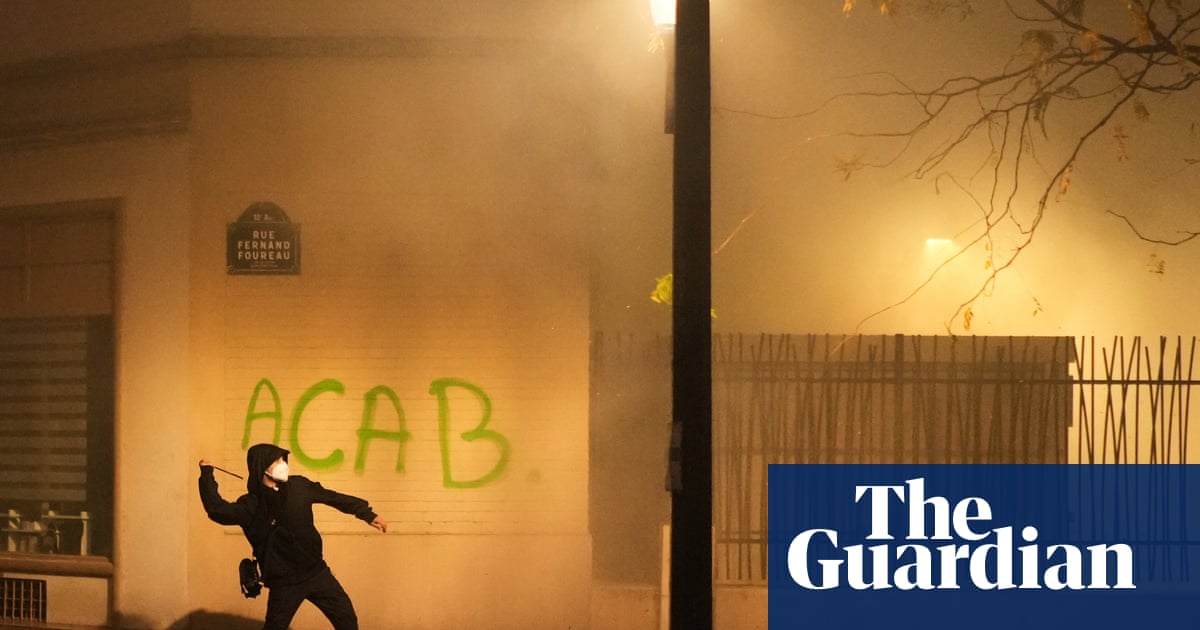
The French government is advancing controversial legislation that would hold individuals financially liable for property damage occurring during protests, even if they did not personally commit the acts of vandalism. The measure, currently under debate in the Senate, represents a significant shift in how public demonstrations are regulated and penalized. Proponents within the administration argue that strict accountability is necessary to curb recent waves of looting and arson that have marred otherwise peaceful gatherings. However, opponents contend that the bill fundamentally alters the legal landscape for civil dissent, potentially chilling the exercise of democratic rights.
Under the proposed rules, a participant in a demonstration could face fines of up to €10,000 if they remain near perpetrators or are part of the same group as those causing damage. The legislation also expands the government’s ability to deploy drones for surveillance over protest sites. Prime Minister Sébastien Lecornu has described the bill as essential, pointing to violent incidents that followed a major football match in May and subsequent unrest across the country. The administration views these measures as critical tools for restoring order after what officials characterize as unacceptable breaches of public safety.
The push for stricter protest regulations coincides with a widening social crisis in France. High school students have blockaded schools for more than a month, demanding action on teacher shortages, deteriorating infrastructure, and reforms to the university application system. These educational grievances have merged with broader discontent over the cost of living and the quality of public services. Trade unions and members of the yellow vest movement have joined the street demonstrations, creating a sustained period of civil unrest that has challenged the government’s capacity to maintain stability.
Legal experts and civil rights organizations have raised alarms about the potential impact of the new law on the rule of law. An open letter published in Le Monde by left-wing trade unions and France’s Human Rights League warned that the legislation constitutes a serious attack on freedom of demonstration. They argued that holding innocent protesters liable for the actions of others creates an unfair legal precedent that could deter legitimate civic engagement. Critics fear that the financial risk associated with attending protests, regardless of individual conduct, would effectively end street demonstrations as a viable form of political expression.
Political opponents from across the spectrum have condemned the bill. Éric Coquerel, representing the radical left La France Insoumise party, stated that the law would mean the end of street protests because citizens would be unwilling to risk substantial financial penalties for crimes they did not commit. Fabien Gay, a Communist senator, echoed this sentiment on parliamentary television, asserting that no demonstration could realistically take place under such conditions. These criticisms highlight deep concerns that the government is prioritizing order over liberty in its response to social unrest.
The political dynamics surrounding the bill are complicated by the upcoming presidential election scheduled for next spring. Marine Le Pen, leader of the far-right National Rally party, has capitalized on the unrest to bolster her law-and-order credentials. Although she faces legal challenges regarding embezzlement convictions, Le Pen launched her campaign with a rally in Orléans, promising to restore order and ensure that vandals pay for damages, potentially over their entire lifetimes. The National Rally has claimed the concept of protester liability as its own idea, positioning itself as a champion of strict accountability.
Legal scholars warn that the current restrictions on public liberties are unprecedented in recent French history. Serge Slama, a public law professor at Université Grenoble Alpes, noted that while President Emmanuel Macron has avoided declaring a state of emergency, the accumulation of decrees limiting demonstrations amounts to a significant erosion of civil freedoms. He suggested that these measures could inadvertently benefit far-right parties by normalizing crackdowns on dissent without requiring formal changes to constitutional law. This perspective adds weight to concerns that the bill serves broader political strategies beyond immediate public safety.
In response to the growing unrest, authorities have implemented various restrictions on protesting, including bans on gatherings near schools and in city centers. Curfews have been imposed in some areas, and police custody periods have been extended for the record number of arrests made during recent demonstrations. Many protesters view these measures as illegitimate attempts to suppress dissent rather than protect public order. The government faces mounting pressure to address the underlying grievances fueling the crisis while navigating the legal and political implications of its new security policies.
As the Senate debates the legislation, the government is attempting to balance enforcement with dialogue. Prime Minister Lecornu is scheduled to meet with representatives of protesting high school students to discuss their demands. This engagement comes as the administration struggles to contain a multifaceted crisis that spans education, economics, and civil rights. The outcome of these negotiations and the passage of the bill will likely define the political landscape in France leading up to the presidential election.
The controversy underscores a broader tension between maintaining public order and preserving democratic freedoms. While the government argues that strict measures are necessary to prevent violence and protect property, critics warn that such policies risk alienating citizens and undermining trust in institutions. The debate over protester liability reflects deeper questions about the role of civil disobedience in a democracy and the limits of state power in regulating public expression. As France navigates this period of unrest, the long-term consequences of these legislative changes remain uncertain.
Sources behind this briefing
Go to the original reporting
- The Guardian World↗Macron accused of putting France’s right to protest at risk with ‘vandal’s law’