The short version
- Vehicle-to-grid technology allows electric cars to discharge power during peak demand periods.
- Enrollment of just ten percent of EV owners could supply one-third of the state's targeted storage capacity.
- Properly structured incentives could reduce the need for costly utility infrastructure upgrades.
California faces a complex challenge in its transition to renewable energy: managing the intermittency of solar and wind power. While the state has successfully reduced greenhouse gas emissions and improved air quality through increased deployment of clean energy sources, it must now address the gap between generation and demand. When weather conditions do not support electricity production, the grid requires reliable storage solutions to maintain stability. In response, California has aggressively expanded its battery farm capacity, which surged by 2,100 percent between 2019 and 2025.
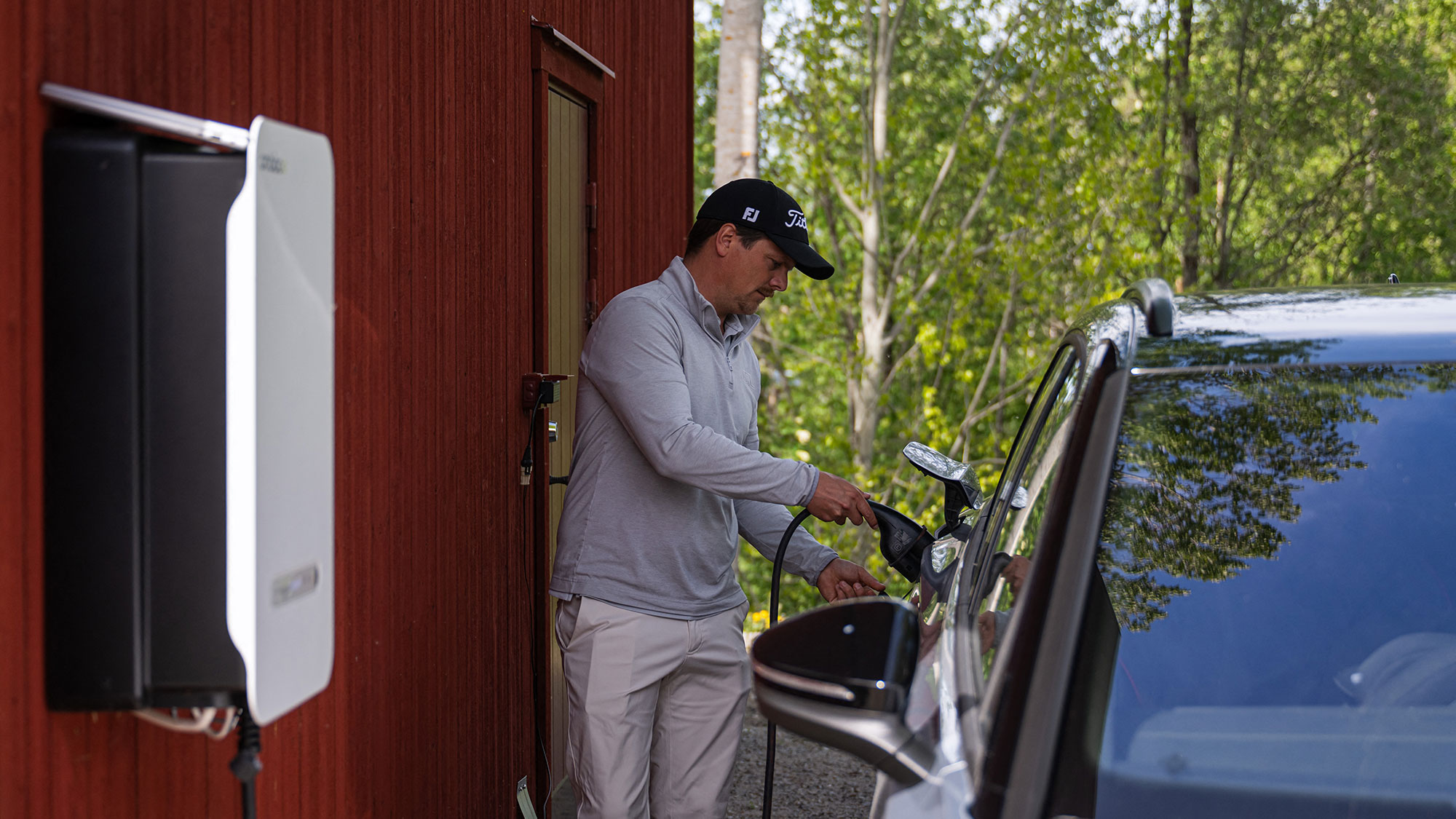
However, a significant untapped resource exists in the form of electric vehicles parked in driveways and garages. Many modern EV models are equipped with vehicle-to-grid technology, enabling them to send stored power back into the electrical system during times of high demand. A recent report coauthored by grid software company Kevala, nonprofit GridLab, and energy consulting firm E3 highlights the potential of this distributed storage network. The analysis indicates that if only one-tenth of EV owners in California enroll in V2G programs by 2036, they could provide approximately one-third of the state’s targeted amount of long-duration energy storage.
This development matters because grid-scale battery facilities are expensive to build and maintain. Utilities typically pass these infrastructure costs on to customers through rate hikes. By leveraging existing EV batteries, utilities could reduce the volume of large-scale storage they need to procure. Pete Skala, vice president of professional and advisory services at Kevala, noted that meaningful progress does not require universal participation. Even limited enrollment can make a substantial dent in what would otherwise be costly infrastructure purchases.
The timing of this opportunity aligns with growing national grid challenges. Electricity demand is rising due to the electrification of homes and transportation, as well as the energy-intensive operations of sprawling data centers. Simultaneously, increasing temperatures are driving higher air conditioning usage, particularly during late-afternoon hours when solar generation declines but residential demand peaks. Historically, utilities managed these spikes by ramping up natural gas power plants. With a heavier reliance on solar, however, the grid faces greater stress during the transition from day to night.
Vehicle-to-grid systems offer a flexible solution to this evening peak. EVs often sit idle for extended periods while plugged in at home or work, ready to supply power when needed. Integrating these vehicles into the grid allows utilities to draw on a distributed network of batteries rather than relying solely on centralized facilities. This approach can help smooth out demand fluctuations and support the broader transition to renewables. The key lies in coordinating V2G with other flexible load devices that can shift electricity use or discharge power during critical periods.
Implementing this system requires careful consideration of compensation structures. Paying EV owners for providing backup power is essential to incentivize participation, but excessive payments could drive up costs beyond those of building new battery facilities. The report emphasizes the need for a balanced approach where incentives are set at levels that benefit all parties. Owners would not wake up to drained batteries; they could specify charging preferences to ensure their vehicles are ready when needed. This flexibility ensures that participants retain control over their energy usage while contributing to grid stability.
The benefits of V2G extend beyond EV owners. If utilities can avoid constructing additional infrastructure by utilizing distributed storage, overall electricity rates may remain lower for all consumers. This strategy complements existing demand response programs, such as remotely adjusting smart thermostats during heat waves. By encouraging homeowners to raise indoor temperatures slightly during peak times, utilities can blunt energy spikes without compromising comfort. Combining these strategies creates a more resilient and cost-effective electrical system.
Looking ahead, the integration of V2G technology represents a shift in how consumers interact with the power grid. Rather than being passive recipients of electricity, individuals become active participants in maintaining grid reliability. This transformation supports the acceleration of renewable energy adoption while mitigating the financial burden on utilities and ratepayers. Success depends on establishing clear frameworks for participation and compensation, ensuring that the transition to a flexible grid is both equitable and efficient.
Sources behind this briefing
Go to the original reporting
- Grist↗Why plugging in all those EVs could actually save the power grid