The short version
- Economic dissatisfaction and the ongoing conflict with Iran have driven presidential approval ratings to historic lows ahead of the November vote.
- Public opinion has shifted against aggressive border enforcement tactics, while widespread opposition exists regarding the local construction of artificial intelligence data centers.
- The Supreme Court's rejection of mail-in ballot restrictions has intensified debates over election integrity and potential executive interference in the voting process.
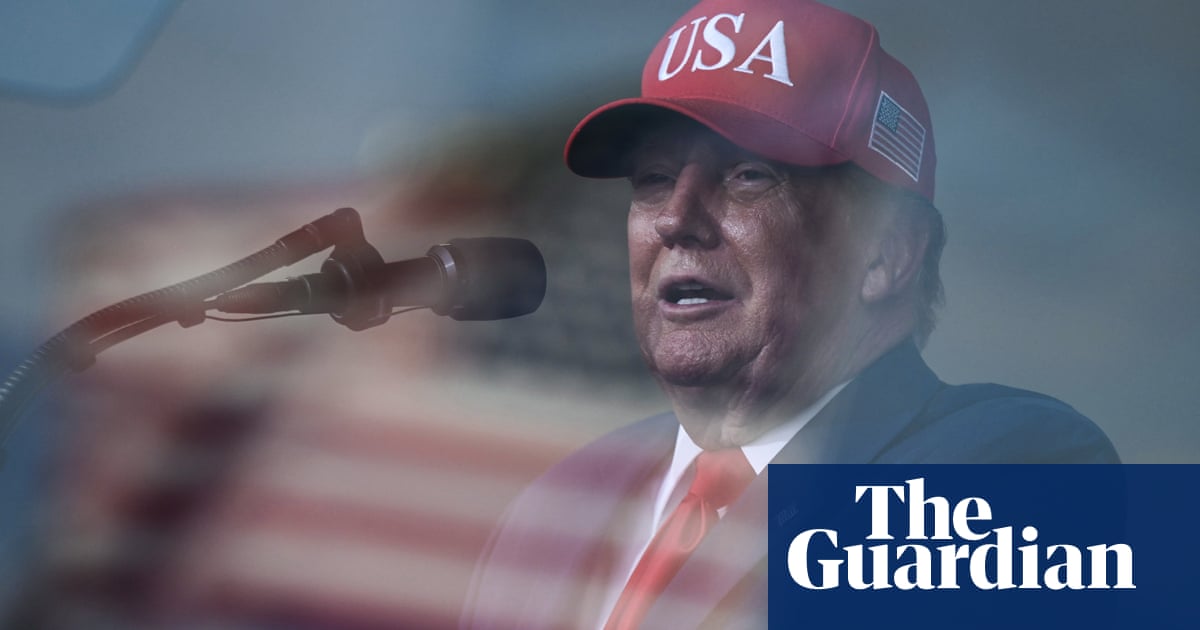
The upcoming midterm elections serve as a critical referendum on the second term of Donald Trump, with polls indicating that his approval ratings have fallen to their lowest point across both presidencies. This decline is largely attributed to widespread voter dissatisfaction regarding economic conditions and the administration’s military engagement in Iran. As November approaches, these factors are shaping a political environment where Democrats aim to regain control of Washington, leveraging public discontent to challenge the current executive branch.
Economic concerns remain the dominant issue for voters, overshadowing other policy debates despite campaign promises made during the 2024 election cycle to address affordability. Recent survey data from the Associated Press and NORC Center for Public Affairs Research reveals that only twenty-six percent of voters approve of the president’s management of the economy. This figure is notably low, sitting just two percentage points below the worst economic approval ratings recorded for former President Joe Biden, highlighting a persistent struggle with cost-of-living pressures.
The decision to engage in military conflict with Iran has further exacerbated these economic anxieties. The war effort has been cited as a significant factor driving up gasoline prices for American motorists, following Tehran’s retaliatory move to close the Strait of Hormuz. This escalation contradicts earlier pledges to end what was described as an addiction to perpetual foreign conflicts. Additionally, the military action has drawn criticism from both Democrats and some Republicans who argue that it proceeded without proper congressional authorization, raising constitutional questions about executive power.
Immigration policy, once a signature achievement for the administration, is facing renewed scrutiny. While the president continues to highlight the closure of the southern border as a major success compared to previous administrations, public sentiment appears to be shifting. High-profile violent incidents involving agents from Immigration and Customs Enforcement and Customs and Border Protection have contributed to a growing perception that enforcement measures have become excessive. This change in mood suggests that the hardline stance on immigration may no longer resonate as strongly with the electorate.
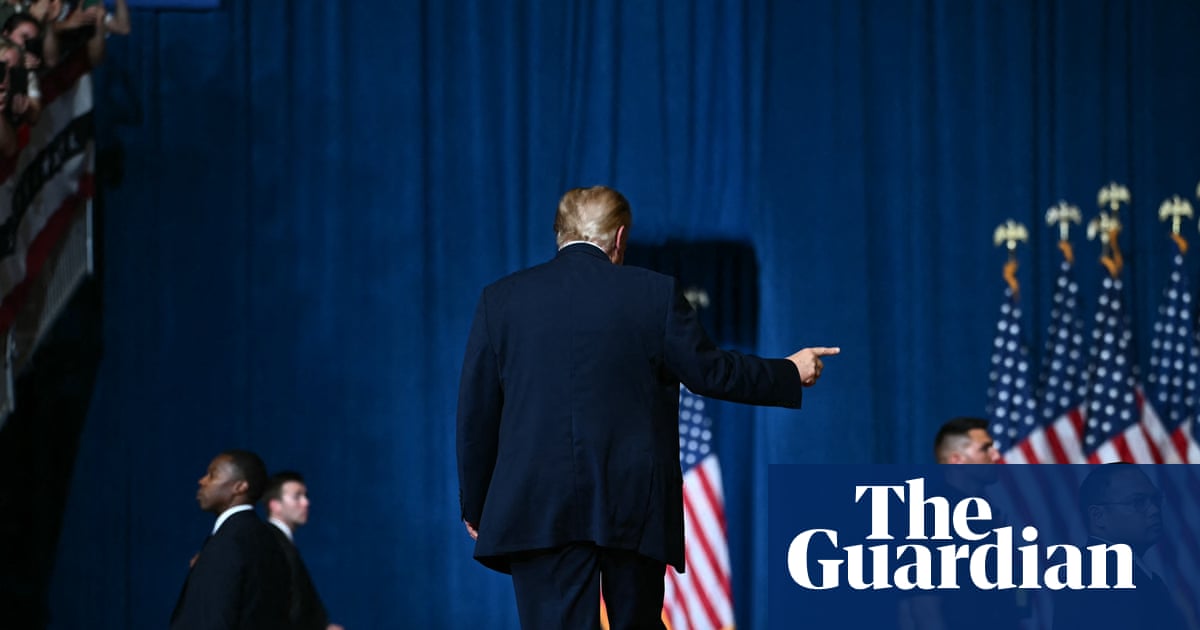
Although the president is not directly on the ballot, his influence remains central to the campaign narrative. He has encouraged voters to treat the midterms as a de facto presidential election, amplifying the focus on his character and use of power. This visibility comes amid swirling controversies involving corruption allegations and various personal building projects. Democrats have framed the elections as an opportunity to check executive authority, capitalizing on the president’s career-low approval ratings and the broader dissatisfaction with his leadership style.
Artificial intelligence has emerged as a surprising but significant campaign issue. Surveys indicate that a majority of voters hold negative views on AI development, even as the administration champions its advancement and attempts to rebrand it as super intelligence. There is substantial local resistance to the physical infrastructure required for this technology, with polls showing that up to seventy percent of Americans oppose the construction of AI data centers in their communities. This disconnect between federal promotion and local opposition presents a complex challenge for policymakers.
The electoral process itself is unfolding against a backdrop of uncertainty regarding potential interference. The US Supreme Court recently rejected an attempt by the administration to restrict mail-in ballots, a decision that has triggered intensified accusations of election fraud from the president’s camp. These unfounded claims add another layer of tension to the midterms, as voters navigate not only policy disagreements but also questions about the integrity and accessibility of the voting system.
As the election nears, the interplay between economic hardship, foreign policy risks, and domestic controversies will likely determine the outcome. The combination of high gas prices, border enforcement backlash, and AI infrastructure opposition creates a multifaceted challenge for the incumbent administration. Meanwhile, the Democratic strategy to rein in executive power hinges on maintaining this momentum of dissatisfaction. The coming weeks will reveal whether these issues can translate into tangible political gains for either party.
Sources behind this briefing
Go to the original reporting
- The Guardian US Politics↗From Iran to AI: the six key voter issues shaping the US midterm elections