The short version
- Donald Trump held his first campaign rally in Kansas in eight years to support Senator Roger Marshall against a competitive Democratic challenger.
- Polling indicates a tight race, with Democrat Adam Hamilton significantly outpacing Marshall in recent fundraising efforts despite the state's historical Republican dominance.
- The president used the event to criticize immigration policies and attack political opponents, while announcing new financial aid for farmers affected by rising fuel costs.
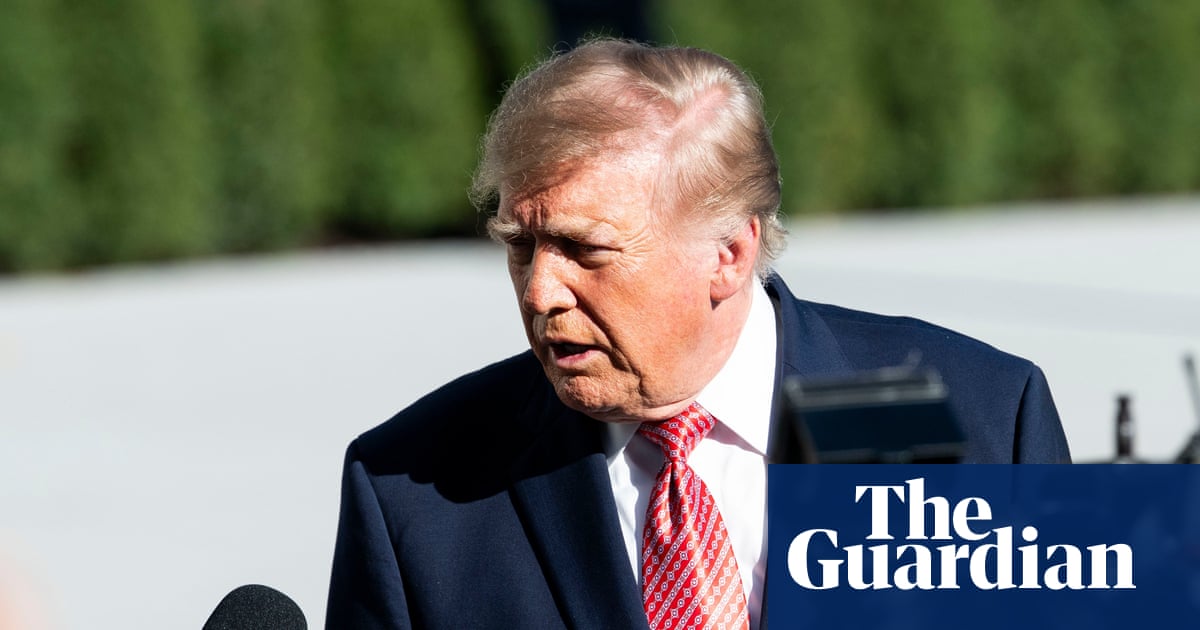
Donald Trump appeared at a campaign rally in Kansas on Monday, marking his first such event in the state in eight years. The visit underscored growing concerns within the Republican Party about potential electoral losses in the upcoming midterm elections scheduled for November 3. While Kansas has remained a reliably red stronghold for decades, recent polling suggests that the political landscape may be shifting, prompting the president to intervene personally in a Senate race that had previously seemed secure.
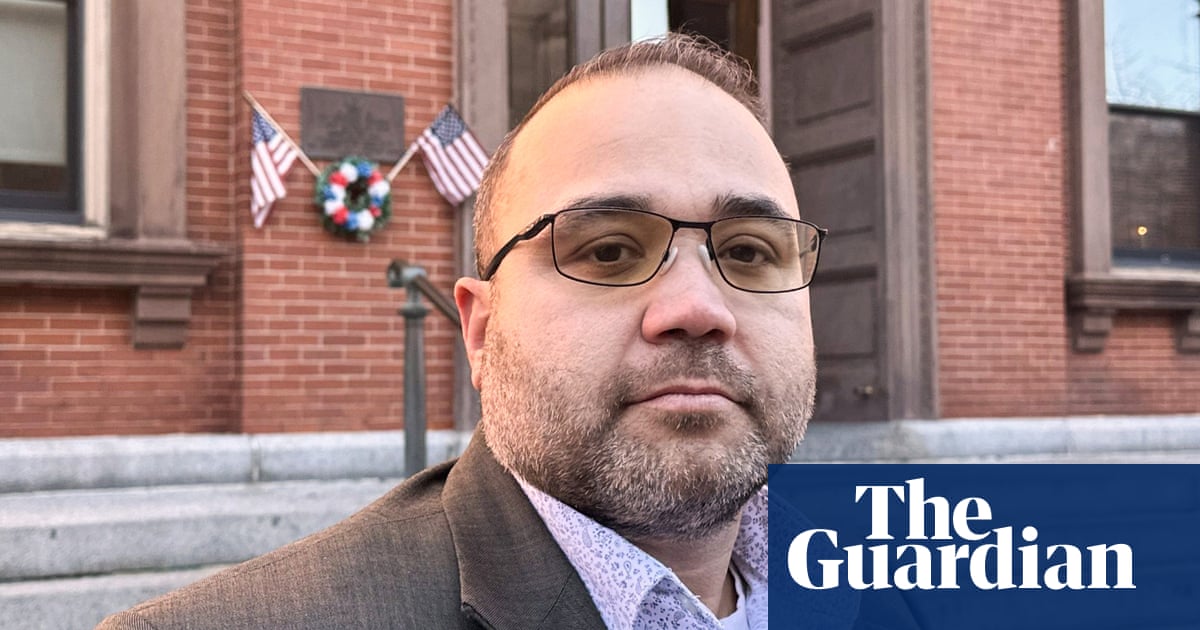
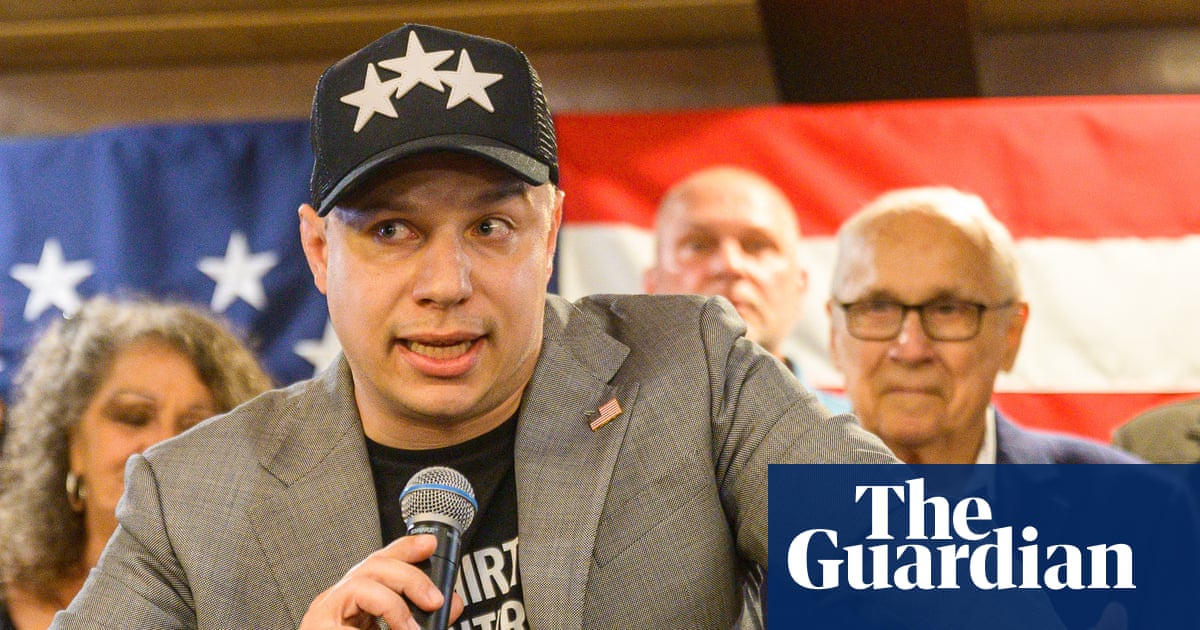
The focus of the rally was Senator Roger Marshall, a Republican facing an unexpectedly strong challenge from Democrat Adam Hamilton. Hamilton, a Methodist pastor and former Republican, has emerged as a formidable opponent in a state where Democrats have not won a Senate seat since 1932. The closeness of the race has drawn national attention, with some analysts describing the situation as a potential indicator of broader trends that could impact control of both chambers of Congress.
Financial disparities between the two campaigns have become a notable feature of the contest. Reports indicate that Hamilton raised approximately $11 million in the third quarter, while Marshall secured only $800,000 during the same period. This fundraising gap has fueled speculation about voter enthusiasm and donor confidence on both sides. Despite these numbers, Marshall remains a staunch ally of the president, having supported claims regarding the integrity of the 2020 presidential election.
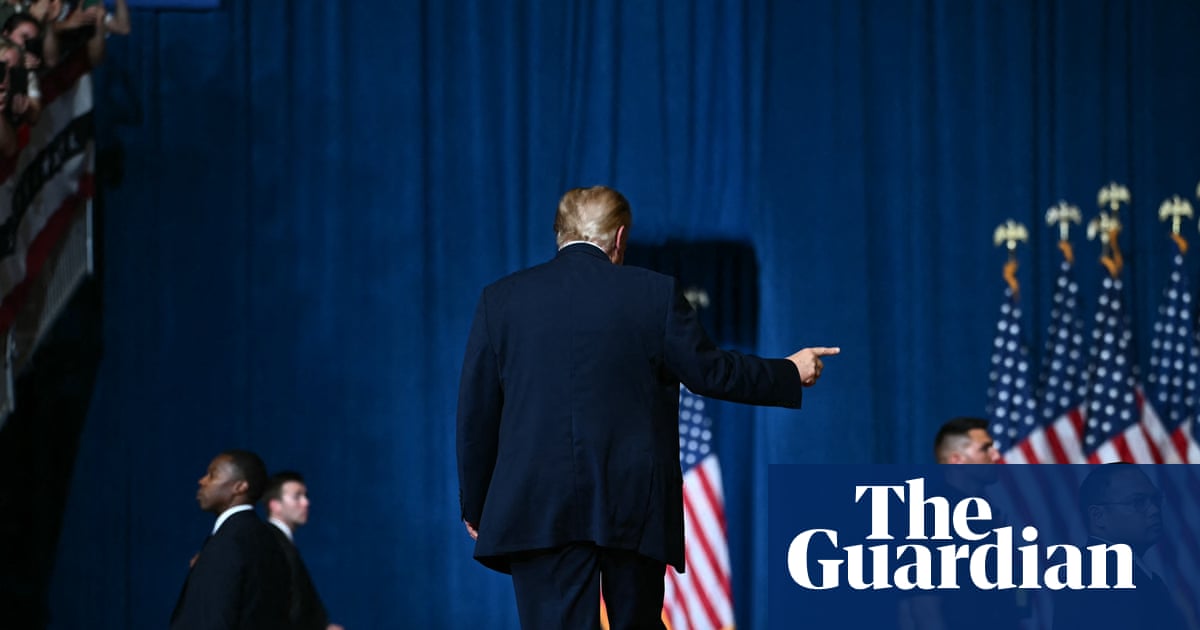
Trump acknowledged the changing political dynamics in Kansas, noting that the state is trending toward purple status due to the presence of Democratic Governor Laura Kelly. He emphasized the importance of retaining Senate control, framing the election as a referendum on his presidency. The rally drew approximately 5,000 supporters to an arena outside Wichita, where chants of support were interspersed with disruptions from protesters.
The president’s speech lasted nearly two hours and included sharp criticisms of Hamilton, whom he characterized as out of touch with Kansas values. Trump accused Hamilton of supporting policies related to immigration, gender identity issues, and racial justice initiatives that he claimed would alienate rural voters. These attacks were met with mixed reactions from the crowd, reflecting the complex nature of voter sentiment in a state known for its agricultural economy and conservative leanings.
Economic concerns played a significant role in the campaign messaging. Farmers in Kansas have faced rising costs due to global conflicts, including increased diesel prices that have impacted harvesting operations. In response, Trump announced a new program providing $8 billion in support to offset these expenses. This announcement came amid tensions with cattle ranchers over tariff policies and immigration enforcement actions that some argue have disrupted labor supplies.
The rally also featured broader political themes, with Trump criticizing foreign policy developments and attacking several Muslim politicians. He made unsubstantiated claims about individuals associated with the Muslim Brotherhood and warned against perceived threats to national security. These remarks drew strong reactions from supporters but also highlighted the polarizing nature of his rhetoric in a diverse electorate.
As the election approaches, the Kansas Senate race serves as a bellwether for the overall health of the Republican Party. The combination of tight polling, fundraising challenges, and economic anxieties suggests that traditional strategies may no longer guarantee victory. Voters will ultimately decide whether local issues or national political trends carry more weight in determining the outcome.
The coming weeks will likely see intensified campaigning from both sides, with each candidate seeking to mobilize their base and persuade undecided voters. The result in Kansas could have implications beyond the state, influencing perceptions of momentum heading into the general election. Observers will be watching closely to see if the historical dominance of Republicans in this region holds firm or gives way to a new political reality.
Sources behind this briefing
Go to the original reporting
- The Guardian US Politics↗In ruby-red Kansas, Trump contemplates the possibility of a Democratic win in the state