The short version
- Record low rainfall in July has triggered drought declarations across most of England and all of Wales, affecting approximately 30 million people.
- Eleven water companies have implemented hosepipe bans to conserve supplies as river flows remain exceptionally low and reservoir levels drop below seasonal averages.
- Experts warn that warmer temperatures are accelerating soil moisture loss, raising concerns about the UK's preparedness for increasingly frequent dry spells.
Water authorities across the United Kingdom have escalated their response to severe dry weather, declaring drought conditions in nearly three-quarters of England and the entirety of Wales. This widespread designation follows a July that provisionally recorded the lowest rainfall totals on record for both nations. The cumulative effect of hot, arid conditions throughout the spring and early summer has placed significant strain on water infrastructure, agricultural systems, and natural ecosystems. As a result, roughly 30 million residents in affected areas are now subject to hosepipe bans, marking a substantial expansion of restrictions compared to previous years.
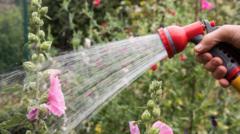
The implementation of these bans involves eleven distinct water companies operating primarily in central, southern, and eastern England, with one additional provider in Wales. Under these measures, households are prohibited from using hosepipes for non-essential tasks such as watering gardens, washing vehicles, cleaning windows, or filling swimming pools. While drought is technically defined by a period of low rainfall that causes ground dryness and stress on vegetation, the declaration also reflects broader pressures on water supplies. Environmental agencies in each UK nation assess current resources alongside weather forecasts to determine when conditions warrant official drought or water scarcity status.
Hydrological data indicates that river flows across England and Wales were largely classified as below normal, notably low, or exceptionally low during July. Steve Turner, a hydrologist at the UK Centre for Ecology & Hydrology, noted that this rapid intensification of drought conditions following exceptional dryness has occurred three times in the last five years. He warned that these low river flows are likely to persist well into the autumn, posing ongoing challenges for water management. In contrast, reservoir levels in Northern Ireland and Scotland remain close to average, though some parts of Scotland continue to experience moderate or significant water scarcity despite recent rainfall improvements.
Reservoir levels in England are currently sitting well below the seasonal average, while those in Wales are also declining. However, Dŵr Cymru Welsh Water has described its resource position as relatively strong, suggesting regional variations in supply resilience. The situation is further complicated by the differing behaviors of various water sources. Rivers respond quickly to changes in precipitation and temperature, making them vulnerable to rapid depletion during heatwaves. Groundwater, which originates from rainfall stored beneath the surface in rock pores and fractures, reacts more slowly. In south-east England, where reliance on groundwater is higher, levels are generally declining but nearly half of monitored sites still recorded normal or higher levels in July.
Alan MacDonald, a professor at the British Geological Survey, explained that groundwater serves as a useful buffer during droughts because it responds more gradually to climate shifts. However, this same characteristic means that groundwater droughts can be longer-lasting once they fully develop. The complexity of these hydrological systems is underscored by the fact that water moves through different rock types at varying speeds, sometimes taking years to reflect current surface conditions. This lag effect complicates immediate assessments of supply availability and requires long-term monitoring strategies.
The drivers behind these droughts are a mix of natural variability and human factors, including climate change. The Met Office projects that the UK will experience drier summers on average as global temperatures rise, although no clear trend has been established yet. Richard Allan, a climate science professor at the University of Reading, highlighted that rising temperatures play a direct role in exacerbating dry conditions by increasing evaporation rates. A warmer atmosphere holds more moisture, effectively drawing water from soil, rivers, and reservoirs more efficiently. This process contributes to the rapid onset of droughts, heatwaves, and wildfires.
The current crisis has sparked broader questions about how effectively water resources are being managed in the UK. Despite a wetter-than-usual winter, the subsequent dry spell has exposed vulnerabilities in the system. The disparity between regions with strong reservoir levels and those facing severe shortages highlights the uneven nature of the challenge. As environmental bodies continue to monitor conditions, the focus remains on balancing immediate conservation needs with long-term infrastructure planning. The effectiveness of current measures will depend on whether rainfall patterns shift in the coming months or if dry conditions persist.
Looking ahead, the persistence of low river flows and declining reservoir levels suggests that water restrictions may remain in place for some time. Authorities are closely watching weather forecasts to determine if further interventions are necessary. The situation serves as a stark reminder of the increasing frequency of extreme weather events linked to climate change. As the UK prepares for drier summers, the need for robust water management strategies becomes increasingly urgent. The coming weeks will be critical in determining whether conditions improve or deteriorate further.
For residents living under hosepipe bans, compliance is essential to help manage high demand during this period of scarcity. While the immediate impact may seem minor, collective conservation efforts can significantly reduce pressure on water supplies. Environmental groups are also monitoring the health of rivers and crops, which have already shown signs of stress due to the lack of rainfall. The long-term implications for agriculture and biodiversity remain a concern as the drought continues to unfold.
In summary, the declaration of drought across much of England and Wales represents a significant escalation in water management efforts. With millions of people affected by hosepipe bans and hydrological indicators pointing to sustained low flows, the situation underscores the growing challenges posed by climate change. As authorities navigate this complex landscape, the focus remains on conserving resources while preparing for potential future shortages. The coming months will provide crucial insights into the resilience of the UK's water infrastructure.
Sources behind this briefing
Go to the original reporting
- BBC Science & Environment↗More hosepipe bans in force as drought declared - is your area affected?

