The short version
- DoorDash has offered $17 billion to acquire Instacart, a move that would significantly consolidate the online grocery delivery sector in North America and beyond.
- The acquisition seeks to combine DoorDash’s extensive logistics network with Instacart’s specialized grocery technology, allowing both brands to operate independently while sharing backend resources.
- Regulators are expected to closely examine the transaction for antitrust violations, particularly given concerns that reduced competition could lead to higher prices for consumers and fewer negotiating partners for retailers.
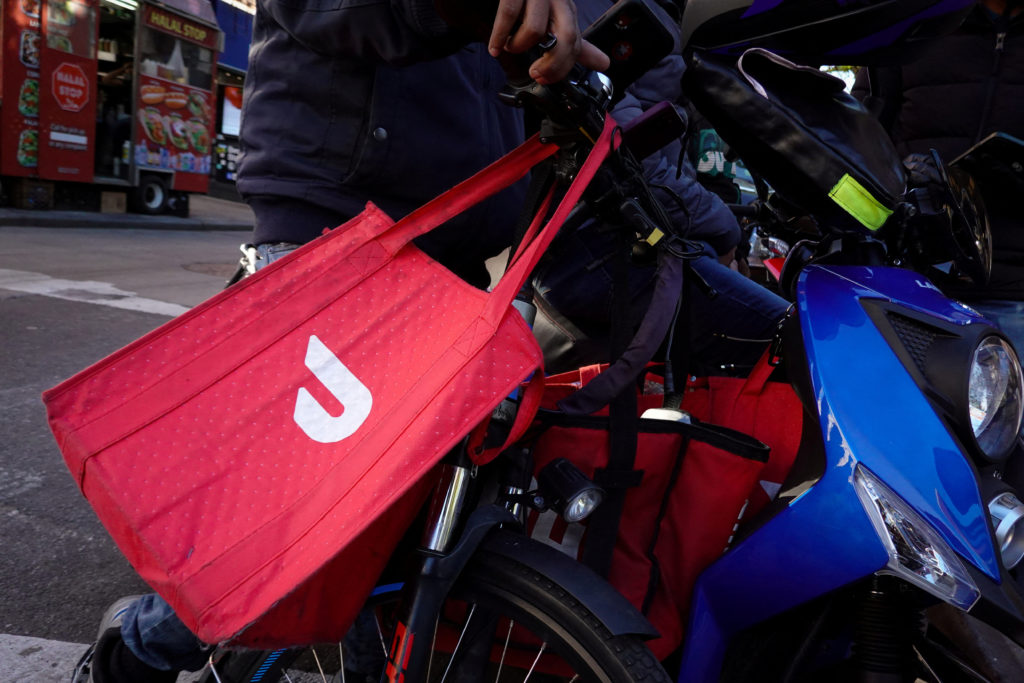
DoorDash has announced a proposal to acquire Instacart for $17 billion, marking one of the largest consolidations in the digital grocery delivery industry. The transaction, which requires approval from shareholders and government regulators, is projected to close by late 2027 or early 2028 if approved. This move represents a strategic shift for DoorDash, which has expanded beyond its origins as a restaurant delivery service to become a dominant force in e-commerce logistics across forty countries.
The rationale behind the acquisition centers on combining complementary strengths. DoorDash brings a massive global logistics network and expertise in handling high-volume orders, having completed over three billion deliveries last year using nine million independent workers. Instacart, founded in 2012, contributes specialized technology designed specifically for grocery retail and established relationships with major supermarket chains. Together, the companies aim to offer retailers of all sizes better tools to compete against larger entities like Amazon and Walmart.
Market dynamics have shifted significantly in recent years, favoring DoorDash at the expense of Instacart. Five years ago, Instacart held 26 percent of spending on U.S. delivery platforms, a figure that has since declined to 18 percent. In contrast, DoorDash’s share of the market has grown from 44 percent to 59 percent during the same period. Uber Eats has maintained a relatively stable position with just under 20 percent of the market. This consolidation could further alter the competitive landscape by reducing the number of major players vying for consumer spending.
For consumers, the immediate impact may include simplified subscription models. Currently, users who subscribe to both DashPass and Instacart+ pay separate monthly fees for free delivery perks. Under the new structure, DoorDash stated that customers would be able to pay a single fee instead of two. Additionally, Instacart users would gain access to approximately 50,000 additional stores available on DoorDash’s platform, expanding their shopping options beyond traditional grocery partners.
The operational structure of the combined entity will retain distinct branding for both services. The Instacart name and application will remain active, and its network of 600,000 independent contractor shoppers will continue to fulfill orders as they do today. Grocers will also retain the ability to choose which platform they prefer for delivery services. This approach aims to preserve existing partnerships while leveraging DoorDash’s broader infrastructure to support Instacart’s specialized grocery operations.
However, the deal faces significant regulatory hurdles. Antitrust authorities in the United States and other jurisdictions are likely to scrutinize the transaction closely. Critics argue that reducing competition in the delivery space could result in higher prices for consumers and diminished bargaining power for grocery retailers. Randall Sargent, a partner at Oliver Wyman specializing in retail, noted that economic principles generally suggest less competition leads to worse outcomes for consumers, particularly when consolidation reduces the number of partners available to negotiate with.
The acquisition also addresses competitive pressures from large retailers entering the delivery market. Walmart, which holds a significant share of U.S. grocery spending, has been expanding its own delivery capabilities, including partnerships with restaurant chains like Subway and Dunkin’. DoorDash’s leadership argues that combining forces with Instacart will help smaller and mid-sized grocers compete more effectively against these larger players by providing them with advanced technology stacks and efficient fulfillment models.
Uncertainties remain regarding specific partnership implications. For instance, while Instacart currently offers delivery from Walmart, DoorDash ceased providing Walmart delivery services in 2022. It is unclear how this historical conflict will be resolved within the merged entity. Additionally, the combined company could become a more formidable advertising platform for food brands by aggregating data on both grocery purchases and restaurant orders, potentially increasing ad revenue but raising further privacy and competition concerns.
As the proposal moves through regulatory review, stakeholders will watch closely for indications of how antitrust agencies view the balance between efficiency gains and market concentration. The outcome could set a precedent for future mergers in the gig economy and e-commerce sectors. Until final approval is granted, both companies will continue operating independently, maintaining their current service levels and partnership structures while preparing for potential integration.
The broader implications extend beyond immediate consumer costs. If approved, the merger would create a dominant player in online grocery delivery with unparalleled reach and data capabilities. This could reshape how retailers approach digital sales, potentially forcing smaller competitors to seek alternative alliances or exit the market. The final decision rests with regulators who must weigh the benefits of improved logistics against the risks of reduced market competition.
Sources behind this briefing
Go to the original reporting
- PBS NewsHour↗DoorDash offers $17 billion for Instacart in what would be big grocery delivery consolidation
- The Guardian Business↗DoorDash to buy Instacart for $17bn in major grocery delivery consolidation