The short version
- A drone strike on a Dnipro train platform killed fourteen and injured fourteen, prompting calls for increased pressure on Moscow from European officials.
- Despite the violence in Dnipro and missile strikes on Kyiv, a local ceasefire in Oleshky held for a third day, allowing preparations for aid delivery to begin.
- Ukraine has reportedly paused long-range strikes on Russian oil refineries following pressure from the United States, with the halt expected to last through November.
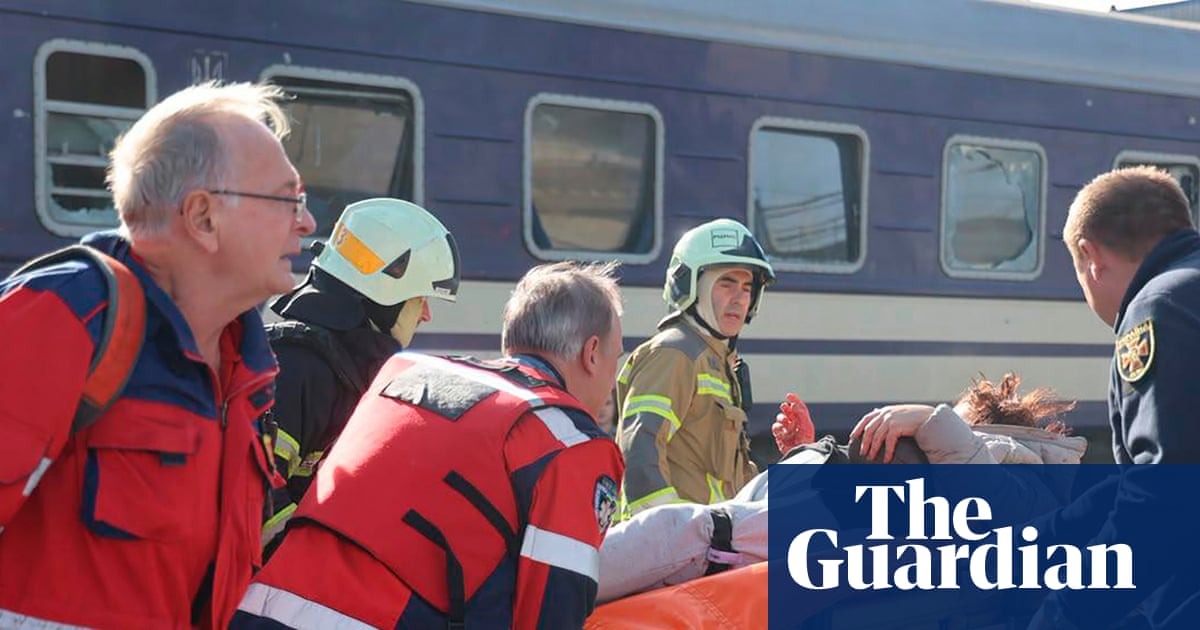
A Russian drone strike targeted a busy railway platform in Dnipro on Thursday, killing at least fourteen people and injuring another fourteen. The attack occurred during peak travel hours, striking civilians gathered at the station before emergency services arrived to manage the scene. Regional governor Oleksandr Hanzha reported that additional strikes hit a student dormitory in the same city, setting it ablaze and causing widespread power outages affecting approximately 350,000 households. The violence underscored the continued vulnerability of Ukrainian infrastructure despite ongoing diplomatic efforts.
European leaders responded with immediate condemnation of the Dnipro attack. António Costa, president of the European Council, described the strike as cruel and devastating, urging international partners to maintain and increase pressure on Russia until a lasting peace is achieved. French President Emmanuel Macron emphasized that localized ceasefires are insufficient, calling for broader diplomatic solutions rather than temporary truces in specific conflict zones. The reaction highlighted growing frustration among Western allies regarding the persistence of civilian casualties.
Ukrainian President Volodymyr Zelenskyy characterized the attack as horrific and insisted that sanctions against Moscow must remain intact for the duration of the war. He warned that intelligence indicated preparations for further ballistic missile strikes by Russian forces. Later in the day, missiles hit warehouses in Kyiv, triggering fires on the east side of the Dnipro River. Mayor Vitali Klitschko confirmed the impact on the capital, noting that emergency crews were responding to the blaze. The coordinated nature of the attacks suggests a sustained campaign against both civilian and logistical targets.
While violence escalated in Dnipro and Kyiv, a fragile ceasefire held in Oleshky, a city under Russian occupation since 2022. Residents there have endured months of shortages regarding food, water, and medicine. The truce persisted into its third day, allowing both sides to prepare for an operation to deliver aid and facilitate the departure of civilians. This contrast between localized stability and broader escalation illustrates the complex dynamics of the current conflict, where diplomatic breakthroughs in specific areas do not necessarily translate to wider de-escalation.
In a significant development regarding military strategy, Ukrainian forces have paused their long-range strikes on Russian oil refineries. Reports indicate this halt follows pressure from US President Donald Trump, with Ukrainian units instructed in mid-October to cease the campaign once active missions were completed. The unofficial pause is expected to continue through the US midterm elections and potentially into November. This strategic shift reflects the influence of American political timelines on Ukraine’s military operations, raising questions about the sustainability of such constraints.
Zelenskyy renewed his criticism of a recent agreement between Trump and Russian President Vladimir Putin that eased certain US sanctions on Russia. The deal allowed Moscow to release diesel onto global markets, a move Zelenskyy argued failed to produce de-escalation. He questioned how many terrorist strikes would occur before the international community reconsidered its approach to sanctions. This tension highlights the divergent priorities between Kyiv’s security needs and Washington’s diplomatic engagements with Moscow.
Russian President Vladimir Putin stated his support for restoring relations with European countries, warning that any broader conflict would leave no winners. Speaking after a summit with African leaders, he referenced recent phone calls with Norwegian and Finnish leaders, asserting that opponents have not achieved a strategic defeat of Russia. His comments suggest a willingness to engage diplomatically while maintaining a hardline stance on military outcomes. The juxtaposition of Putin’s diplomatic overtures with the ongoing strikes in Ukraine underscores the disconnect between rhetoric and action.
The death toll from Thursday’s attacks across Ukraine rose to at least twenty, with more than seventy people injured according to local officials. These figures do not account for potential casualties in areas where reporting is limited or delayed. The combination of drone strikes, missile attacks, and infrastructure damage continues to strain Ukraine’s emergency response capabilities. As the conflict enters its 1,710th day, the resilience of civilian populations remains tested by both direct violence and the systemic degradation of essential services.
Looking ahead, the pause in refinery strikes may alter the economic pressure on Russia, though its long-term impact remains uncertain. The success of the aid operation in Oleshky will depend on the durability of the local ceasefire and the willingness of both sides to adhere to humanitarian corridors. Meanwhile, European leaders are likely to intensify their calls for unified action against Moscow, balancing diplomatic engagement with the need to support Ukraine’s defense. The coming weeks will reveal whether these tactical adjustments lead to broader strategic shifts or merely temporary pauses in a protracted war.
Sources behind this briefing
Go to the original reporting
- The Guardian US↗Ukraine war briefing: Outrage in Europe after Russian drone kills 14 on rail platform in Dnipro


