The short version
- Democratic legislators are demanding the Occupational Safety and Health Administration stop efforts to weaken rules regarding respirator use in hazardous environments.
- Critics argue the proposed changes remove medical evaluation requirements and reduce employer obligations for providing protective gear against substances like lead and asbestos.
- Unions and safety experts contend that deregulation endangers public health, while some industry groups warn that lax standards could increase long-term liability costs.
A significant group of Democratic lawmakers has formally requested that the Occupational Safety and Health Administration halt its current initiative to revise regulations governing worker respiratory protection. The legislators argue that the proposed modifications would substantially diminish safeguards for employees who encounter dangerous airborne substances during their daily duties. This intervention highlights a growing tension between federal regulatory agencies and political leaders concerned about occupational health standards.
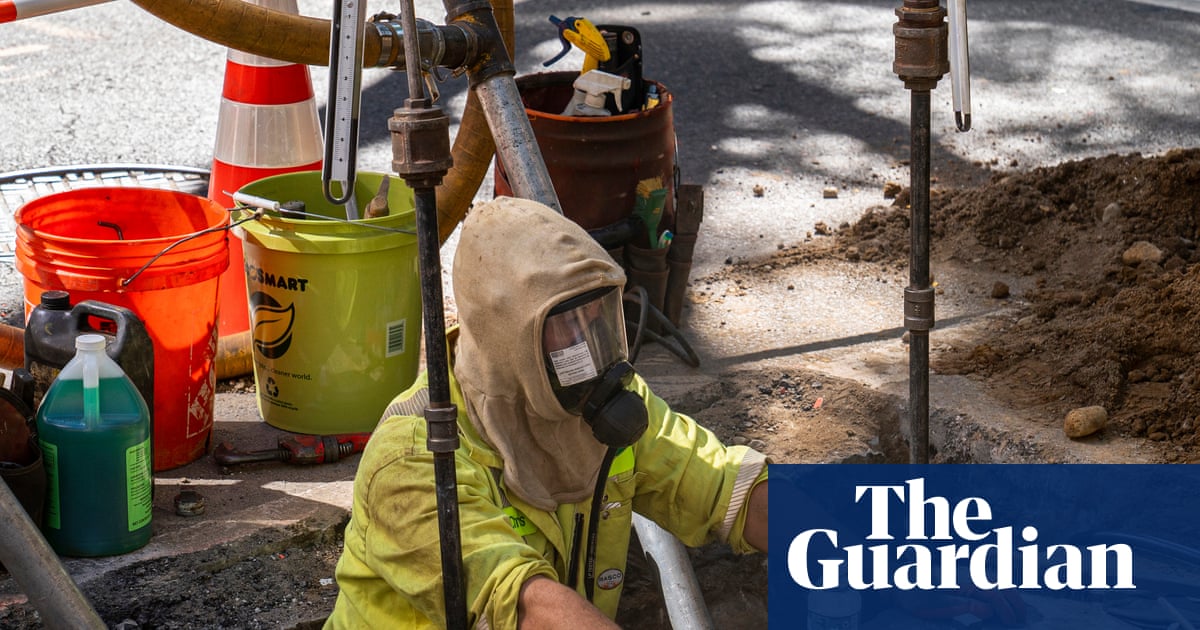
The core of the dispute centers on specific provisions within the new rules that would lessen the burden on employers to supply respirators when workers handle materials such as lead, asbestos, formaldehyde, and inorganic arsenic. Additionally, the agency seeks to eliminate a mandate requiring medical evaluations for personnel who utilize certain types of breathing apparatuses. Lawmakers contend these adjustments prioritize corporate convenience over the well-being of the American workforce.
Elizabeth Warren, Ilhan Omar, Chris Van Hollen, Cory Booker, Pramila Jayapal, Rashida Tlaib, and Jasmine Crockett are among the more than twenty congressional Democrats who signed a letter to David Keeling, the assistant secretary at OSHA. The correspondence asserts that the Department of Labor is endangering lives by favoring unscrupulous employers over families relying on steady employment. They emphasize that these changes represent a broader pattern of deregulation under the current administration.
Public health data underscores the urgency of maintaining strict safety protocols. More than five thousand Americans die each year from respiratory illnesses linked to their jobs. Recent trends show an increase in cases of silicosis and coal-related pneumoconiosis, partly driven by exposure to silica in artificial stone countertops and mining operations. Lawmakers suggest that weakening standards could exacerbate these rising mortality rates.
Critics also point to procedural irregularities in how the rules were developed. The agency issued the proposed regulations in July 2025 without providing necessary evidence or soliciting required information for implementation. Furthermore, a hearing on the matter was held in August during a congressional recess, preventing lawmakers from participating in discussions about the potential impacts on worker safety.
The speed of this regulatory shift has drawn particular scrutiny. Standard OSHA rules typically undergo a multi-year process involving extensive review and stakeholder input. In contrast, these respirator guidelines moved through the necessary steps in just a few months. Lawmakers argue this accelerated timeline bypasses critical safeguards designed to ensure regulations are both effective and enforceable.
Support for maintaining current protections extends beyond political lines. Unions, medical professionals, and industry experts have joined forces to warn against the rollback. Organizations such as the Advisory Committee on Construction Safety and Health, the American Industrial Hygiene Association, National Nurses United, and North America’s Building Trades Unions have voiced strong opposition. Even some business groups recognize the value of robust safety measures.
The Associated General Contractors of America, a major construction trade association, submitted comments arguing that high-quality safety regulations ultimately save contractors money. They warned that any short-term benefits from deregulation would be overshadowed by potential legal liabilities and increased accident costs in the future. This perspective challenges the notion that stricter rules inherently harm economic competitiveness.
The push to weaken OSHA standards occurs against a backdrop of significant budgetary and staffing cuts. Republican proposals aim to reduce the agency’s budget by over eight percent for fiscal year 2027. In 2025, inspections dropped by twenty percent as the agency lost hundreds of full-time employees through buyouts and early retirements. These reductions have raised concerns about OSHA’s capacity to enforce existing laws, let alone manage new regulatory frameworks.
As the debate continues, OSHA has not yet responded to requests for comment regarding the lawmakers’ concerns. The outcome of this dispute will likely influence future labor policies and set a precedent for how federal agencies balance economic interests with public health priorities. Stakeholders across the political spectrum are watching closely to see whether safety standards will be preserved or further eroded.
Sources behind this briefing
Go to the original reporting
- The Guardian World↗Democratic lawmakers decry Osha’s push to roll back worker respiratory protections