The short version
- Democratic establishment figures are publicly backing Abdul El-Sayed to counter aggressive Republican campaigning, though many acknowledge significant policy disagreements.
- President Trump has escalated rhetoric against the nominee, using Islamophobic language and false accusations regarding his religious affiliations.
- Polls indicate a tight race with El-Sayed holding a narrow lead, but he faces a substantial deficit in advertising expenditure compared to his opponent.
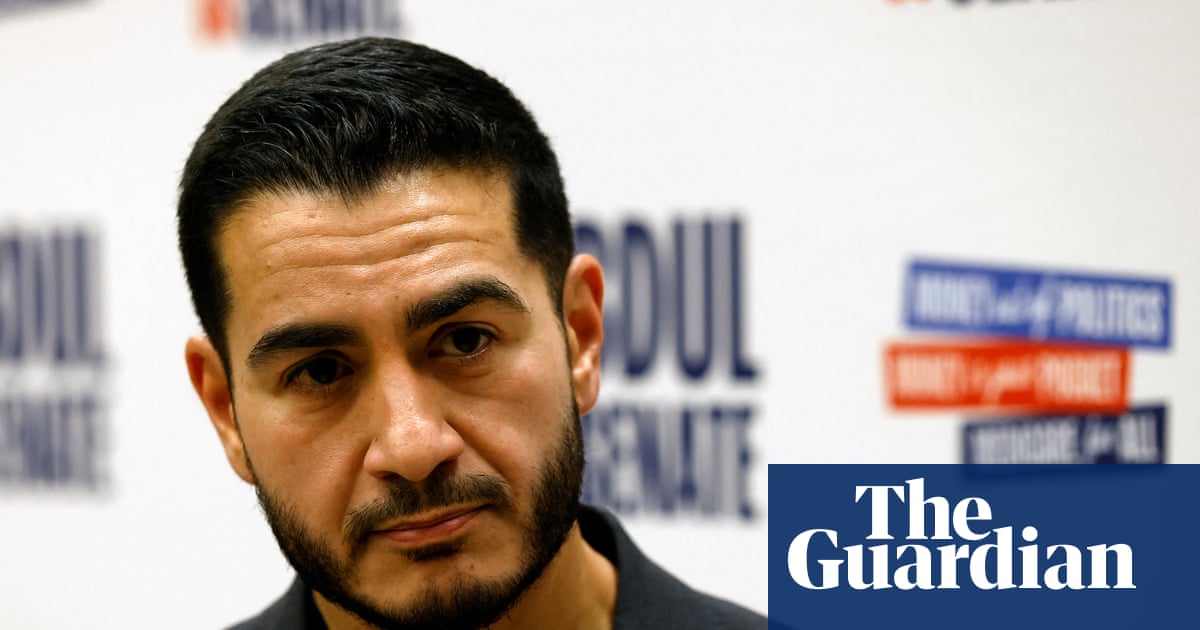
The Democratic Party is coalescing around Abdul El-Sayed for the Michigan Senate seat, marking a significant shift from the bitter internal divisions that characterized the primary election. This consolidation of support comes as President Donald Trump and Republican allies have intensified a campaign of personal attacks against the progressive nominee. While the endorsement from party leadership is not always enthusiastic or explicit, it represents a strategic effort to present a unified front in a state that could determine control of the U.S. Senate.
Trump has launched a series of inflammatory remarks targeting El-Sayed’s identity and faith. At a recent rally in Port Huron, the president falsely labeled El-Sayed a member of the Muslim Brotherhood and a jihadist, drawing parallels to the September 11 attacks. Republican operatives have also focused on his name, with the National Republican Senatorial Committee airing advertisements that emphasize his full name, Abdulrahman Mohamed El-Sayed. Trump has repeatedly referred to him as Mohammed in recent weeks, a tactic El-Sayed has dismissed as an attempt to distract voters from economic issues such as rising costs for fuel, food, and medical care.
In response to this aggression, prominent Democrats have begun appearing alongside El-Sayed in key locations across the state. Independent Senator Bernie Sanders campaigned with him in Grand Rapids, while former President Barack Obama joined him in Detroit on the first day of early voting. Representative Alexandria Ocasio-Cortez also toured Michigan with the nominee earlier in the week. These appearances signal a departure from the party’s initial reluctance to support El-Sayed, who narrowly defeated a moderate, pro-Israel candidate backed by much of the central party apparatus in August.
Obama’s participation was particularly notable as it marked his first public show of support for El-Sayed since the primary contest. The former president drew comparisons between the attacks on El-Sayed and those he faced during his own political career, noting that his name was also a subject of controversy. Obama rejected characterizations of El-Sayed as radical, arguing that advocating for universal healthcare is not an extreme position. He framed El-Sayed’s platform as a continuation of efforts to expand access to medical services, referencing the Affordable Care Act.
Despite this public solidarity, Democratic leaders have been careful to distance themselves from some of El-Sayed’s more controversial policy positions. Obama acknowledged that he and El-Sayed do not agree on every issue, citing his wife Michelle as an example of someone who also disagrees with him on various matters. Senator Elissa Slotkin, who spoke at the same Detroit rally, emphasized her expectation that El-Sayed would be a partner in opposing Trump’s legislative agenda, while noting that their differences are acceptable. She previously suggested that condemning left-wing streamer Hasan Piker, with whom El-Sayed has campaigned, should not be difficult.
Other party figures have expressed even more guarded support. Senate Democratic Leader Chuck Schumer endorsed El-Sayed but highlighted significant differences in their views on Israel. Former Congressman Sander Levin also offered his endorsement despite noting substantial disagreements on the same topic. Representative Hillary Scholten stated she would not campaign with anyone who associates with Piker. Senator Cory Booker provided a noncommittal response when asked about voter concerns that El-Sayed might prioritize foreign issues over local needs, focusing instead on his family’s roots in Michigan.
The financial dynamics of the race remain skewed against El-Sayed. As of early October, he was trailing his Republican opponent, Mike Rogers, by nearly two to one in advertising spending. However, recent polling suggests he maintains a slight advantage among likely voters. A Marist poll conducted last week placed El-Sayed at 50 percent and Rogers at 48 percent. This narrow margin underscores the importance of every vote in a contest that could swing the balance of power in the Senate.
El-Sayed’s platform includes calls for universal healthcare, removing corporate influence from politics, taxing billionaires and corporations, and abolishing Immigration and Customs Enforcement. He has also advocated for ending U.S. military aid to Israel, describing the conflict in Gaza as genocide. These positions have drawn criticism from some within his own party but resonate with progressive voters who were energized during the primary season. The challenge for Democrats now is to maintain this coalition while mitigating the impact of Republican attacks that focus on identity rather than policy.
As early voting begins, the race remains highly competitive and closely watched by national political observers. The ability of El-Sayed to withstand the barrage of personal attacks while mobilizing his base will be crucial. Meanwhile, Democratic leaders must navigate the delicate balance between supporting their nominee and managing internal dissent over his more radical proposals. The outcome in Michigan could have far-reaching implications for the broader political landscape and the direction of both parties.
The coming weeks will likely see continued escalation from both sides, with Republicans doubling down on their strategy of targeting El-Sayed’s identity and Democrats working to reinforce their message of unity and policy focus. The interplay between local issues and national narratives will shape the final outcome, making this one of the most consequential Senate races in recent memory. Voters in Michigan are poised to decide not only the fate of a single seat but also the trajectory of Democratic strategy in future elections.
Sources behind this briefing
Go to the original reporting
- The Guardian World↗As Trump escalates extreme attacks, Democrats – finally – rally round El-Sayed