The short version
- The Dallas Cowboys organization has officially recognized the Dallas Cowboys Cheerleaders Association as the collective bargaining agent for the squad.
- This development follows a prolonged period of advocacy, including a 2018 federal lawsuit regarding wage disparities and recent contract negotiations highlighted in a popular streaming series.
- While previous pay increases significantly raised hourly rates for game appearances, concerns remain regarding comprehensive benefits such as health insurance coverage.
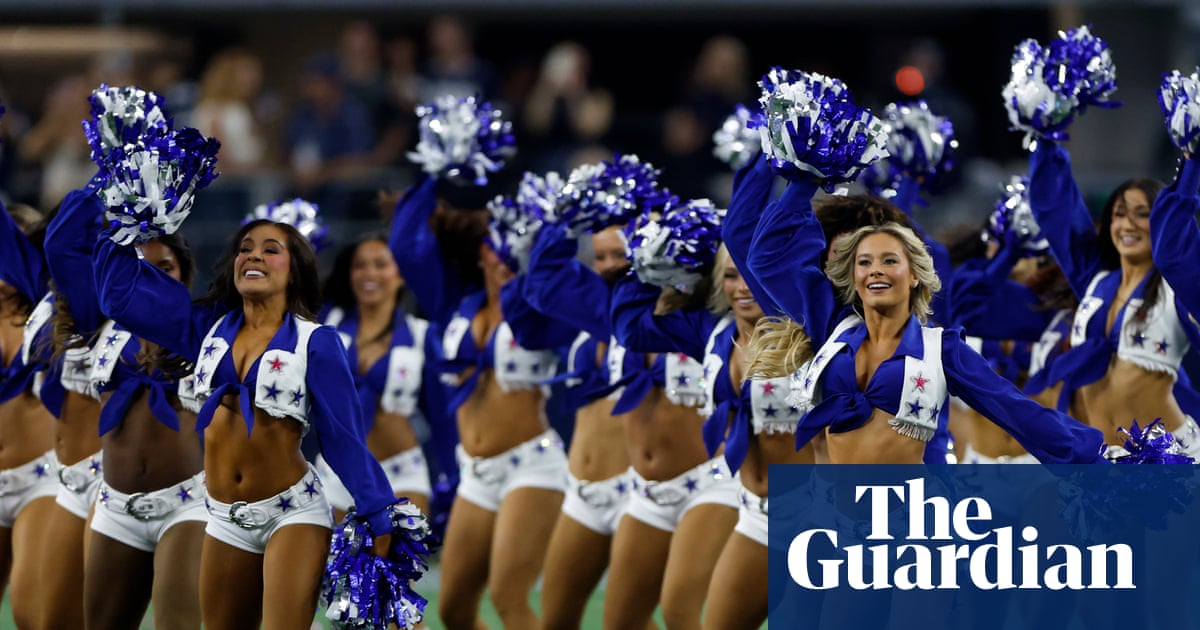
The Dallas Cowboys have formally recognized the Dallas Cowboys Cheerleaders Association as the official collective bargaining representative for its dance team. This announcement, made via a news release on Friday, signals the end of years of advocacy by squad members seeking improved compensation and working conditions. The organization stated that this recognition followed meaningful discussions between the franchise and the cheerleading association, paving the way for formal collective bargaining to begin immediately.
The move represents a significant milestone for a group that has become one of the most recognizable dance teams globally since its establishment in 1961. Just one year after the football team began its inaugural season in the National Football League, the cheerleading squad was formed, eventually becoming an integral part of the franchise's brand identity. The recent unionization effort underscores a growing awareness of labor rights within professional sports entertainment, particularly for roles that have historically operated outside traditional employment structures.
Public scrutiny of the squad's working conditions intensified in recent years, largely due to increased visibility through media coverage. A Netflix series titled America’s Sweethearts: Dallas Cowboys Cheerleaders has provided an inside look at the lives of the dancers, revealing that many hold full-time jobs outside of their duties with the team. The third season of the show, released in June, continued to highlight the financial struggles and professional demands placed on these performers, drawing attention to the disparity between the franchise's immense wealth and the earnings of its cheerleaders.
The push for fair pay has roots in legal challenges dating back to 2018, when cheerleader Erica Wilkins filed a federal lawsuit against the Cowboys. At the time, Forbes valued the NFL franchise at $17 billion, making it the most valuable team in the league. Wilkins alleged that she earned an average of $15,000 per season, a figure she noted was less than what the team's male mascot received. This lawsuit brought national attention to the compensation structures within the organization and set the stage for broader organizational changes.
Recent contract negotiations, which were documented in the second season of the Netflix series, resulted in substantial wage increases for some members. The squad faced threats of a walkout during these talks, which ultimately led to a 400 percent pay raise for certain roles. For the 2024 season, the hourly rate for some dancers increased from $15 to $75 per hour for game-day appearances. This dramatic adjustment reflected the pressure exerted by public opinion and internal advocacy efforts within the team.
Despite these financial gains, significant gaps in compensation packages remain. One squad member indicated to the New York Times that while the new contract improved wages for specific appearances, it did not include health insurance coverage. This omission highlights the ongoing complexity of negotiating comprehensive benefits for independent contractors or employees in non-traditional sports roles. The lack of healthcare provisions suggests that future bargaining sessions will need to address more than just hourly wages.
The Dallas Cowboys are not the first NFL team to face unionization efforts among their cheerleading squads. In 1995, the National Labor Relations Board ruled that the Buffalo Bills' cheerleaders could form a union. The Buffalo Jills subsequently joined the National Football League Cheerleaders Association, though this union was short-lived. The squad eventually disbanded in 2014, raising questions about the sustainability of such organizations and the long-term impact of unionization on team dynamics.
As collective bargaining begins, the focus will likely shift toward establishing a comprehensive agreement that addresses both wage equity and benefit structures. The Dallas Cowboys Cheerleaders Association emphasized in its statement that the squad remains an esteemed part of the organization, respected for their talent and dedication. They also noted that the position continues to be one of the most sought-after opportunities for dancers worldwide. The outcome of these negotiations could set a precedent for other sports franchises looking to modernize their approach to employee relations.
The recognition of the union marks a pivotal moment in the relationship between the franchise and its performers. It acknowledges the professional contributions of the cheerleaders while addressing longstanding concerns about fair treatment. As the bargaining process unfolds, stakeholders will be watching closely to see how the team balances its commercial interests with the legitimate demands of its employees. This development may influence labor practices across the sports industry, encouraging other organizations to reevaluate their compensation models.
Looking ahead, the success of this unionization effort will depend on the willingness of both parties to engage in good-faith negotiations. The Cowboys have positioned themselves as responsive to employee concerns, but the true test will be in the details of the final contract. Issues such as health insurance, job security, and workload management are likely to feature prominently in upcoming discussions. The resolution of these matters could redefine the standard for employment conditions in professional sports entertainment.
Sources behind this briefing
Go to the original reporting
- The Guardian US↗Dallas Cowboys cheerleaders unionize after years of fighting for fair pay