The short version
- A coordinated cyberattack caused refrigeration units in hundreds of French supermarkets to heat up to 50C, resulting in significant food spoilage and minor fires.
- The breach exploited outdated firmware in Danfoss cooling management systems, affecting major chains including Intermarché, Coopérative U, Carrefour, and E.Leclerc.
- French authorities have launched a criminal investigation while European officials warn of the growing threat to food security through digital infrastructure attacks.
A sophisticated cyberattack disrupted the cold supply chains of hundreds of French supermarkets overnight, forcing refrigeration units to heat up to 50 degrees Celsius. The incident, described by officials as unprecedented in its targeting of essential food preservation equipment, caused widespread spoilage of fresh and frozen goods. Managers arriving at affected branches on Monday morning encountered waves of hot air from freezers that had been remotely manipulated to bypass normal defrosting cycles and maintain dangerously high temperatures.
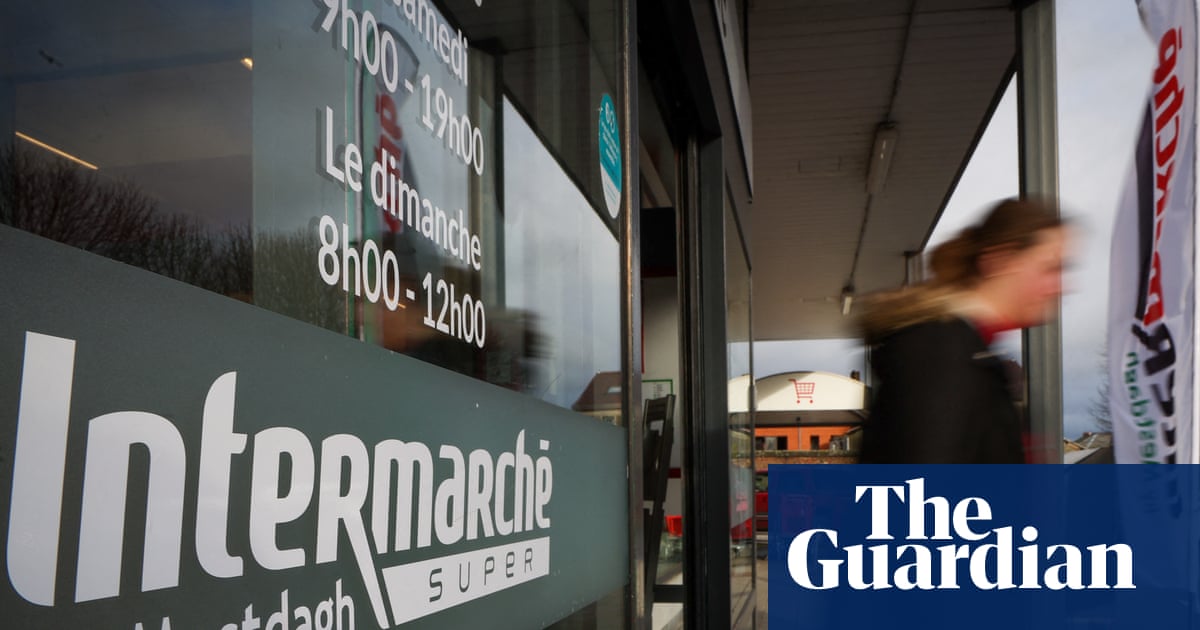
The scale of the disruption is significant, with estimates suggesting approximately 500 stores were compromised out of roughly 15,000 across the country. Les Mousquetaires, the group behind Intermarché and Netto brands, reported that at least 300 locations were hit. Coopérative U confirmed that more than 100 of its outlets faced similar issues. Other major retailers, including Carrefour and Monoprix, also experienced breaches, with Carrefour noting that 80 of its 6,000 stores had compromised units. E.Leclerc, France’s largest supermarket chain, was reportedly affected as well, though it did not immediately confirm the extent of the damage.
The physical consequences of the digital intrusion were immediate and costly. Intermarché stated that refrigerators remained at 50C for six hours, necessitating the disposal of all affected inventory to prevent health risks. In some locations, the extreme heat generated small fires within the cooling units. Two supermarkets in the Alsace region alone reported losses totaling €270,000, suggesting that nationwide financial damages could reach into the millions of euros. Staff across multiple chains have been mobilized to remove unsafe products and restock shelves as quickly as possible.
French authorities have moved swiftly to address the breach. The Paris prosecutor’s office opened a specific cyber-crime investigation, characterizing the event as a large-scale attack on major food retailers. Prime Minister Sébastien Lecornu directed France’s national cybersecurity agency, ANSSI, to lead the inquiry. The government is also coordinating with European counterparts, acknowledging that other nations may be facing similar threats. This response comes amid heightened concerns over hybrid attacks on critical infrastructure, particularly following President Emmanuel Macron’s recent orders to bolster defenses against Russian interference.
Technical analysis points to a vulnerability in software supplied by Danfoss, a Danish engineering firm that provides remote management systems for commercial refrigeration. ANSSI identified this specific weakness as the entry point for the hackers. Danfoss acknowledged the incidents, noting that the affected units were running outdated firmware that could no longer receive security updates. The company emphasized that it had long advised customers to migrate legacy systems to current-generation solutions to mitigate such risks.
The attack may extend beyond French borders. Ahold Delhaize, a Dutch supermarket operator with a significant presence in Belgium and Luxembourg, reported a separate but potentially related security issue. While its Albert Heijn stores remained open, online delivery systems were taken offline, and electronic price tags displayed incorrect information. It remains unclear whether the problems faced by Ahold Delhaize are directly linked to the French refrigeration hack or represent a broader campaign targeting European retail infrastructure.
European officials have condemned the incident as a stark reminder of the fragility of modern food systems. Christophe Hansen, the European Food Commissioner, stated that the weaponization of food supply chains has become a reality, urging greater attention to security at all levels. Dominique Schelcher, chief executive of Coopérative U, echoed these sentiments, calling the targeting of essential preservation equipment unacceptable and demanding a thorough investigation into the perpetrators.
As retailers work to restore normal operations, the incident highlights the growing intersection between digital security and physical safety in critical sectors. The use of remote management software, while efficient, introduces new vulnerabilities that malicious actors can exploit with tangible real-world consequences. French investigators are now focused on determining the origin of the attack and identifying any other firms at risk, while industry leaders reassess their reliance on legacy technology in essential infrastructure.
Sources behind this briefing
Go to the original reporting
- The Guardian World↗Hackers force French supermarket fridges to heat up to 50C in ‘unprecedented’ cyber-attack
- BBC World↗Fridges in French supermarkets hit by cyber attack