The short version
- A witness testified that the accused officer requested she dispose of a phone in water to disrupt tracking signals.
- The defendant claimed he was set up for the disappearances and had stolen files related to pandemic policies.
- Messages sent from the victim's phone after his death suggested a trip to Perth, contradicting the murder timeline.
The trial of Beau Lamarre-Condon, a former police officer accused of murdering two men in Sydney, has revealed new details regarding his alleged attempts to conceal evidence. A court heard testimony that Lamarre-Condon contacted a friend in Western Australia shortly after the deaths of Jesse Baird and Luke Davies, asking her to assist in disposing of a mobile phone. The prosecution presented this interaction as part of a pattern of behavior intended to obstruct justice following the February 2024 killings.
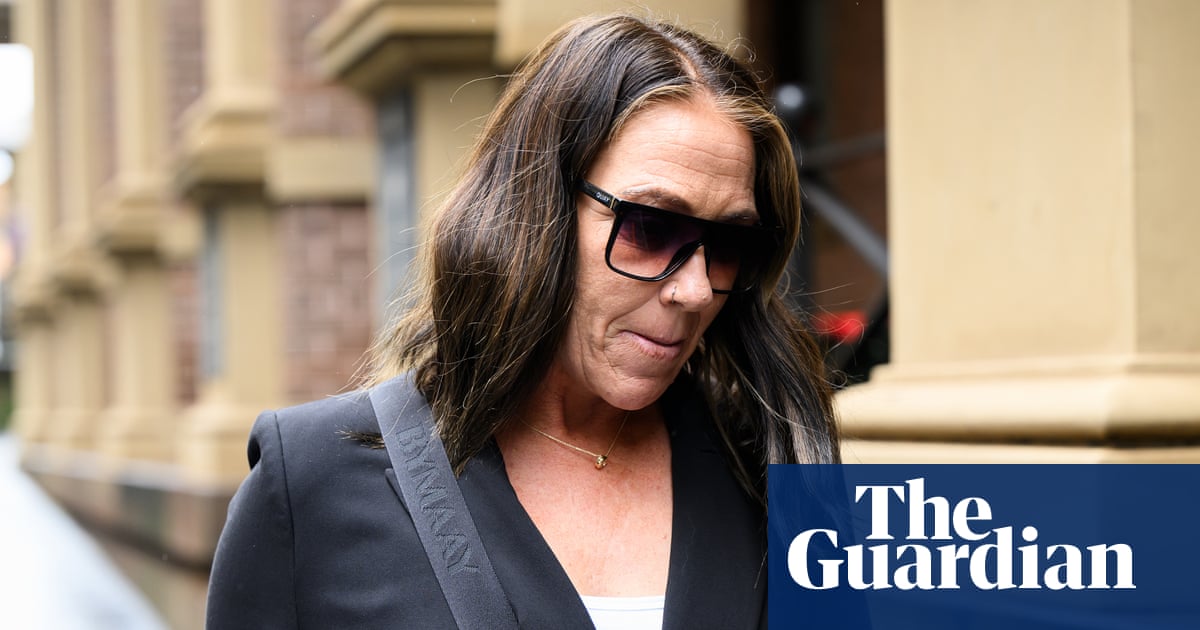
Stacey Parker, who lives in Western Australia, testified that she first met Lamarre-Condon in 2010 while both were attempting to encounter celebrities outside television studios. Their friendship developed over shared interests, including skepticism regarding COVID-19 vaccines and a mutual desire for celebrity access. Parker described their relationship as casual but persistent, noting they maintained contact through various social engagements and online messaging platforms over the years.
According to court proceedings, Lamarre-Condon requested on February 20, 2024, that Parker receive a phone via post. He instructed her to power the device on for approximately ten minutes to allow it to register with local cell towers before turning it off and discarding it in a body of water located thirty to forty kilometers from her residence. This specific sequence was allegedly designed to create a false digital footprint while removing the physical evidence.
Parker told the jury that Lamarre-Condon claimed he had been 'set up' regarding the disappearance of two men in Sydney. He further alleged that he had stolen files from the police commissioner concerning COVID-19 policies, suggesting a motive rooted in professional retaliation or cover-up. The tone of his communication shifted during these exchanges, with Parker noting that he appeared increasingly urgent and demanding about her compliance with the disposal instructions.
The defense has argued that Lamarre-Condon acted in self-defense during separate struggles with Baird and Davies, resulting in accidental shootings. This narrative contrasts sharply with the prosecution's account, which portrays a premeditated act followed by deliberate efforts to mislead investigators. The court heard that police had begun searching for Lamarre-Condon shortly after these calls, indicating an early awareness of his involvement in the case.
Additional testimony highlighted suspicious communications sent from Baird’s phone after his death. A friend and former colleague, Jemma Barge, received a message on the day following the alleged murder stating that Baird might be traveling to Perth. This message contradicted the timeline of events established by investigators and raised questions about whether the device was used post-mortem to fabricate an alibi or confuse the search efforts.
Parker noted that she never actually received the package containing the phone, despite Lamarre-Condon’s repeated inquiries about its status. She expressed confusion regarding his instructions and the sudden shift in their dynamic, describing his demeanor as coercive during the later conversations. The failure to deliver the device may have hindered Lamarre-Condon’s plan to create a false trail leading away from Sydney.
The trial continues before Justice Natalie Adams at the NSW Supreme Court. Prosecutors are using these testimonies to establish intent and demonstrate Lamarre-Condon’s awareness of his actions following the deaths. The case remains complex, with competing narratives about the circumstances surrounding the shootings and the subsequent attempts to manage evidence. Legal proceedings are expected to delve deeper into the digital forensics and witness accounts as the trial progresses.
The allegations against Lamarre-Condon include two counts of murder and one charge of aggravated break and enter. He has pleaded not guilty to all charges. The court’s examination of his communications with Parker provides insight into his state of mind and actions in the immediate aftermath of the incident. As the trial unfolds, further evidence may emerge regarding the extent of his involvement and the validity of his claims about being framed.
This case highlights the intersection of personal relationships and criminal investigation, as friends and acquaintances become key witnesses in determining guilt or innocence. The detailed testimony regarding the phone disposal request underscores the lengths to which the accused allegedly went to avoid detection. The outcome of this trial will depend on how convincingly both sides can present their versions of events to the jury.
Sources behind this briefing
Go to the original reporting
- The Guardian World↗Beau Lamarre-Condon allegedly asked celebrity chaser friend if he could post phone to her in WA to throw in water, court told