The short version
- Volunteers collected more than 1,000 dead or injured birds in Chicago and Evanston over a single weekend during peak fall migration.
- Radar data indicates millions of birds passed through the area, drawn by favorable winds but disoriented by city lights and reflective glass surfaces.
- Advocates are urging local officials to adopt mandatory bird-safe building codes, citing successful reductions in fatalities at specific venues that implemented protective measures.
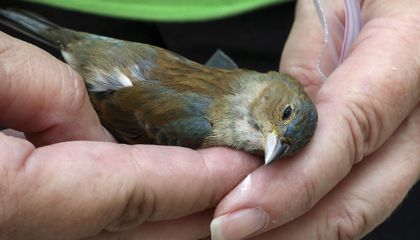
Wildlife conservation groups in the Chicago metropolitan area reported a significant surge in avian casualties over the weekend of October 17 and 18. Volunteers from the nonprofit organization Chicago Bird Collision Monitors spent two days rescuing wounded animals and collecting carcasses in downtown Chicago and the northern suburb of Evanston. The group recovered more than 1,000 birds, a figure that organizers emphasize represents only a fraction of the total mortality during this period. Annette Prince, the director of the monitoring group, noted that volunteers often found multiple casualties at single locations, indicating widespread impact across the urban landscape.
The high number of collisions coincided with a major migratory event tracked by weather radar. Data from the Cornell Lab of Ornithology’s BirdCast system showed that more than five million birds flew through Cook County on the evening of October 16 alone. This local surge was part of a national pattern, with estimates suggesting over one billion migratory birds took flight across the United States that night. A cold front provided favorable northerly tailwinds, encouraging large flocks to travel southward. Chicago sits along the Mississippi Flyway, a critical corridor for species moving between North, Central, and South America, making the city a focal point during these seasonal movements.
Urban infrastructure poses severe hazards to migrating birds, particularly through the use of glass facades and artificial lighting. Birds frequently fail to perceive transparent windows or mistake reflections of sky and vegetation for open space. Collisions often occur at speeds reaching 30 miles per hour, resulting in immediate death, internal bleeding, or concussions. Artificial lights further complicate navigation by attracting and disorienting birds, especially during nighttime migration when many species are most active. Prince described the victims as fit and strong individuals who were following natural instincts but fell victim to man-made obstacles.
The scale of the problem extends beyond this single weekend. Estimates suggest that one billion birds die annually in the United States due to building collisions. This annual toll contributes to a broader decline in North American bird populations, which have lost approximately three billion individuals since 1970. This loss represents roughly 29 percent of the continent’s avian population. Researchers attribute accelerating declines to multiple factors, including warming temperatures and intensive agricultural practices, making preventable urban hazards an urgent concern for conservationists.
Previous incidents in Chicago have demonstrated that targeted interventions can significantly reduce fatalities. In October 2023, nearly 1,000 birds died in a single night after colliding with the McCormick Place Lakeside Center, a venue known for its extensive glass exterior. In response, building managers invested $1.2 million to install polka-dot film on windows, designed to make glass visible to birds. The facility also adopted operational changes, such as turning off non-essential exterior lights and closing blinds at night. These measures resulted in a reduction of more than 90 percent in collision deaths during the subsequent autumn season.
Advocates are now pushing for broader regulatory action to address the issue citywide. They are urging Chicago city councilors to adopt a bird-friendly building ordinance that would mandate safety measures for new constructions and renovations. The proposal is currently undergoing revisions within the city’s zoning committee. Similar regulations have already been implemented in other major metropolitan areas, including New York City and Washington, D.C., setting precedents for urban wildlife protection. Supporters argue that current voluntary measures are insufficient to address the scale of the problem.
The emotional and ethical dimensions of the issue remain central to the advocacy effort. Volunteers describe the recurring nature of these events as heartbreaking, noting that the same hazards persist year after year. Jennifer Bell, a volunteer who has personally collected more than 350 birds since September, emphasized the right of birds to migrate without unnecessary harm. She criticized the continued construction of glass-heavy buildings as a source of preventable injury and death. The debate highlights the ongoing challenge of balancing modern architectural preferences with ecological responsibility in dense urban environments.
As fall migration continues, monitoring groups expect further casualties until weather patterns shift. The data collected from this weekend’s events will likely inform future advocacy efforts and policy discussions. While specific solutions like window film and light reduction have proven effective at individual sites, their widespread adoption remains inconsistent. The incident underscores the need for comprehensive strategies that address both design standards and operational practices to mitigate the impact of urban infrastructure on migratory wildlife.
Sources behind this briefing
Go to the original reporting
- Smithsonian Magazine↗More Than 1,000 Birds Were Killed or Injured in Window Collisions Around Chicago Over the Weekend