The short version
- The Chicago archdiocese has dedicated the first memorial of its kind in the United States, honoring victims of suicide and their surviving families at Queen of Heaven cemetery.
- This initiative reflects a broader shift within the Catholic Church toward compassion, moving away from historical bans on funeral rites for those who died by suicide.
- Religious leaders and mental health advocates are collaborating to integrate pastoral care into parish ministries, aiming to reduce stigma and support communities affected by mental illness.
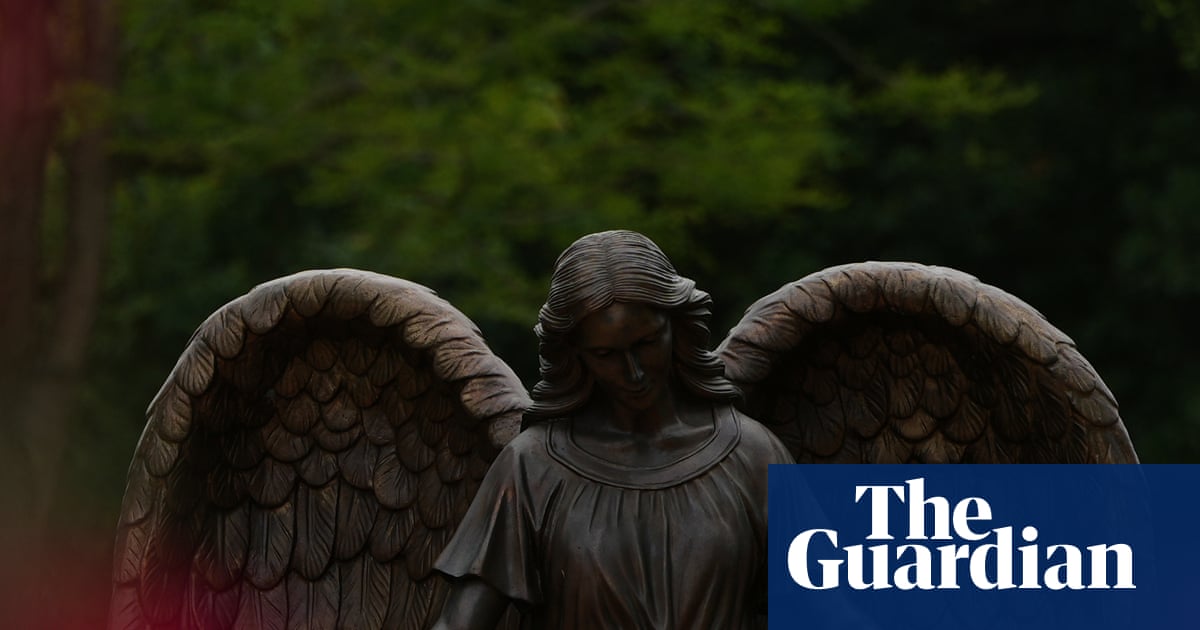
The Archdiocese of Chicago has formally dedicated a memorial titled 'At Peace' at the Queen of Heaven cemetery in Hillside, Illinois, marking the first time a U.S. archdiocese has established such a tribute. The monument honors individuals who have died by suicide and recognizes the surviving family members who often face isolation and stigma. This dedication serves as a public acknowledgment of the church’s evolving stance on mental health and suicide, moving away from centuries of exclusionary practices toward a model of pastoral accompaniment.
The memorial was established in honor of the Rev. Charles Rubey, who founded Loving Outreach to Survivors of Suicide in 1979. Run by Catholic Charities of the Archdiocese of Chicago, this program provides counseling and support to families navigating the aftermath of a loved one’s death. Rubey views the monument as evidence of a complete turnaround in how the church treats these families, noting that they are no longer condemned or viewed as being in hell. The archdiocese emphasized that the memorial was intentionally placed in a visible location within the cemetery, which also houses the world’s largest Catholic mausoleum, to signal that this issue is not something to be hidden or shamed.
Historically, the Catholic Church maintained strict prohibitions against funeral rites and burial on consecrated grounds for those who died by suicide. A church law enacted in 1917 enforced these restrictions until it was revised in 1983. While current Catholic teaching still considers the act of killing oneself a sin, it acknowledges that mental health problems can impair judgment and lead to suicide. The church now asserts that salvation remains possible for those who take their own lives, reflecting a nuanced understanding that balances doctrinal principles with compassion for psychological suffering.
This local development in Chicago aligns with broader efforts led by Pope Leo XIV, who has dedicated monthly prayer intentions to people suffering from mental health issues and suicidal thoughts. The pontiff has called on the church to become a safe space where everyone has a place, emphasizing a community that accompanies individuals without judgment or fear. His leadership has encouraged parishes to listen more closely to those in distress and to draw near rather than exclude them. This top-down encouragement appears to be fostering a cultural shift within religious institutions, mirroring broader societal changes in how suicide is perceived.
Religious commentators note that the church’s approach is increasingly sympathetic, similar to trends in wider society. The Rev. James Martin, editor at large of America magazine, highlighted the importance of extending pastoral care to family members so they do not feel shame or isolation. By validating their grief and offering support, the church aims to break down barriers that have historically prevented open discussion about suicide within faith communities. This shift is seen as critical for maintaining the relevance and compassion of religious institutions in an era where mental health awareness is growing.
Advocacy groups are also pushing for deeper integration of mental health support into church structures. Ed Shoener, whose daughter died by suicide in 2016, co-founded the Association of Catholic Mental Health Ministers to educate parish communities and reduce stigma around mental illness. The global association advocates for the church to do more to improve mental health care and support systems. Shoener recently met with Pope Leo to express hope that the church would issue an in-depth statement on mental health, potentially in the form of an apostolic letter or encyclical, to provide clearer guidance and resources.
In October, Shoener returned to the Vatican for an event coinciding with World Mental Health Day and the pope’s monthly prayer intention. Religious leaders and health professionals gathered to examine how parishes respond to mental health issues and how best to establish ministries that overcome stigma and discrimination. The goal is to create a fully integrated ministry within every parish worldwide, similar to existing youth ministries. This effort seeks to normalize conversations about mental health and ensure that spiritual care is accessible to those struggling with psychological distress.
The dedication of the 'At Peace' memorial represents a tangible step in this ongoing transformation. It signals a departure from historical rigidity toward a more inclusive and compassionate framework. While doctrinal definitions remain, the practical application of church policy is shifting to prioritize support for the living and dignity for the deceased. As mental health continues to be a pressing global concern, the Catholic Church’s evolving response offers a model for how religious institutions can adapt to modern challenges while maintaining their core mission of care and community.
Sources behind this briefing
Go to the original reporting
- The Guardian World↗Suicide memorial in Chicago signals compassionate shift by Catholic church