The short version
- Chancellor John Healey implemented strict security protocols modeled on defense sector practices to curb budget leaks.
- Major announcements regarding bank taxes, energy support, and online sales VAT collection were revealed before the official presentation.
- Experts warn that excessive secrecy risks market backlash and political surprise, citing historical failures of untrailed fiscal measures.
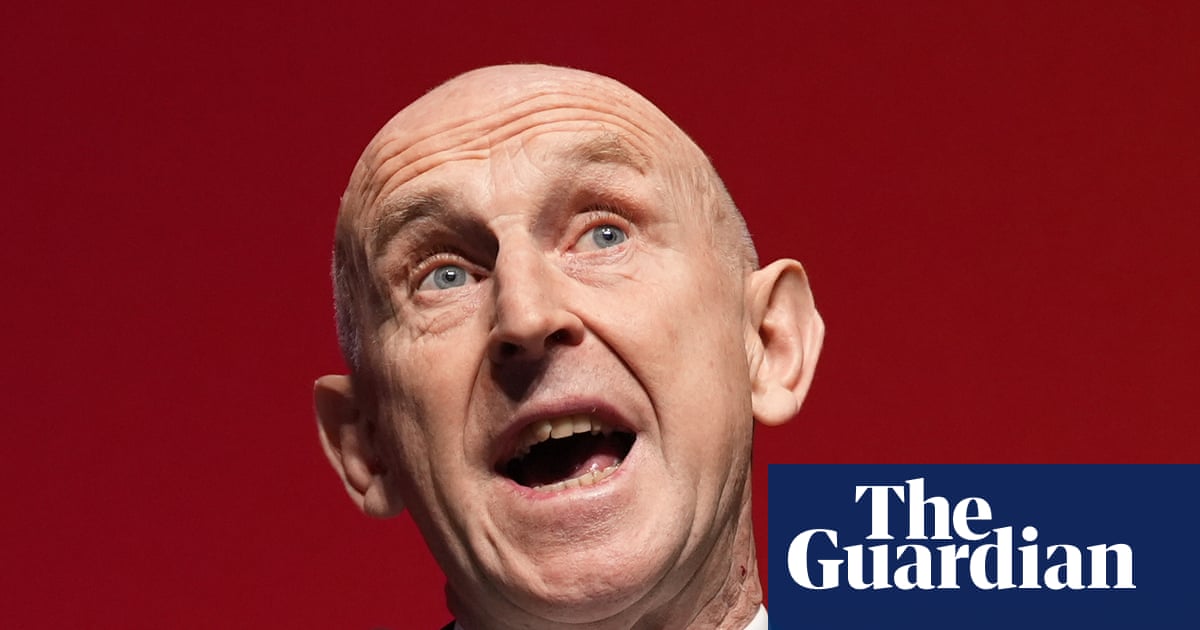
Chancellor John Healey has faced increasing scrutiny regarding the effectiveness of his administration’s efforts to maintain strict confidentiality around the upcoming budget. Officials have repeatedly emphasized that the Treasury adopted defense-style compartmentalization strategies to prevent the unauthorized release of financial data. This approach was reportedly driven by concerns that market-sensitive leaks could destabilize economic conditions, a problem that allegedly plagued previous fiscal events under former Chancellor Rachel Reeves.
The narrative of heightened security began in mid-August, with reports describing Healey as operating on a war footing to stop the gradual drip of information. Media outlets noted the deployment of military-style protocols, including the use of classified computer systems that restricted access to specific sections of budget documents. Officials were reportedly required to sign in only to their assigned parts of the plan, unable to view areas outside their immediate purview. Healey himself expressed shock at the previous lack of security within the Treasury, contrasting it sharply with procedures he was accustomed to during his tenure at the Ministry of Defense.
Despite these rigorous measures, significant elements of the budget have already become public knowledge. Reports indicate that a higher tax on banks, a policy considered highly sensitive to market reactions, was disclosed well in advance. Additionally, details regarding a package of energy support for vulnerable households emerged before the official announcement. These disclosures suggest that the strict security perimeter may not have been entirely effective in containing information flow.
Further leaks revealed plans for billions of pounds in additional defense spending, with funds directed toward the British Business Bank and the National Wealth Fund. Another major component involves a one-billion-pound initiative to crack down on online VAT sales. Under this proposal, large retailers such as Amazon, eBay, and Temu would be held responsible for collecting taxes due from smaller merchants operating on their platforms. These details were reported alongside estimates suggesting the chancellor has approximately fifteen billion pounds in fiscal headroom, a figure known in political circles as pitch rolling to manage market expectations.
In addition to unauthorized leaks, the Treasury and Downing Street engaged in traditional pre-budget communications through embargoed press releases. These included announcements of a new one-point-five-billion-pound borrowing facility for local authorities and one billion pounds allocated for social housing. The government appears to be using these controlled disclosures to build momentum and demonstrate action on key policy areas before the main fiscal event.
Former Treasury advisers suggest that the elaborate security theater serves a dual purpose. While it aims to deter civil servants and members of parliament from engaging in unauthorized chatter, it also risks creating a hermetically sealed environment that could lead to negative reactions. Experts warn that surprising stakeholders with untrailed measures can cause backlash in financial markets, among media outlets, and within the government’s own parliamentary ranks.
Historical precedents highlight the dangers of excessive secrecy. Previous chancellors faced significant criticism for surprise announcements, such as George Osborne’s 2012 tax on pastries and Philip Hammond’s 2017 national insurance hike for self-employed workers, which was abandoned after just seven days due to political fury. These incidents underscore the potential volatility of introducing unexpected fiscal changes without prior signaling.
Aides to the chancellor acknowledge the need for balance in information management. They argue that hoarding all details until budget day can lead to unintended consequences, drawing comparisons to the economic turmoil associated with Liz Truss’s tenure. Healey has reportedly begun to shut down speculation about certain tax rises, including potential increases in capital gains tax and changes to mansion tax thresholds, indicating a shift toward expectation management.
While some fiscal surprises may still be reserved for the official presentation, the overall strategy appears to prioritize stability over shock value. The chancellor aims to combine steady economic policies with targeted measures designed to demonstrate government support for the public. However, the extent to which the Treasury’s military-grade secrecy has succeeded remains questionable, given the volume of information already in the public domain.
As the budget date approaches, attention will focus on how Healey navigates the remaining undisclosed elements. The interplay between controlled leaks and official announcements will likely shape market reactions and political discourse. Whether the compartmentalization strategy ultimately protected fiscal stability or merely delayed inevitable disclosures remains a subject of ongoing debate among economists and political observers.
Sources behind this briefing
Go to the original reporting
- The Guardian World↗Has Healey’s military-style budget secrecy really played out so differently to past budgets?