The short version
- Activists are launching a new initiative to secure a portion of the First Hampden site in Glasgow for public use and historical education.
- City Property Glasgow rejected an earlier request for community asset transfer, citing obligations to achieve commercially reasonable returns on its holdings.
- The location is recognized as the world's first purpose-built international football stadium, though only part of the grounds currently holds protected monument status.
A new campaign has emerged in Glasgow aimed at preserving a specific section of land associated with First Hampden, widely regarded as the world’s first purpose-built international football stadium. The initiative seeks to transform the site into a multifunctional community hub and heritage space after it was recently listed for rent following the closure of a bowling club that had occupied the premises earlier this year. Supporters argue that the location holds significant cultural value beyond its sporting origins, serving as a rare remaining public space in an area where such amenities are increasingly scarce.
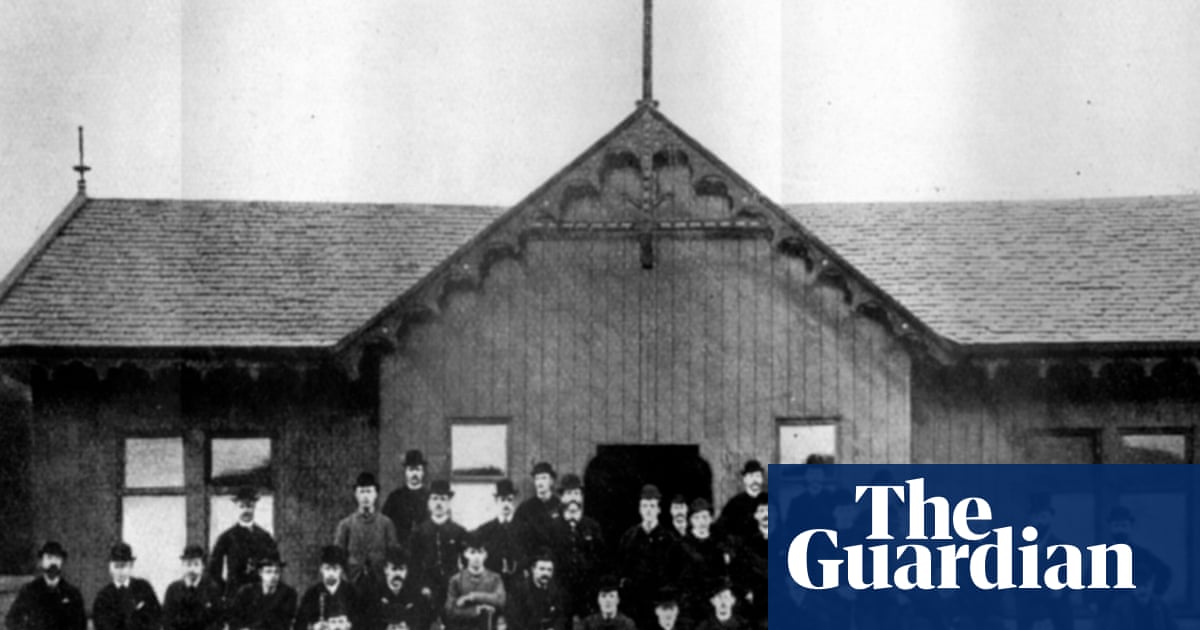
First Hampden served as the home ground for Scotland’s national football team starting in 1878, a period during which the squad achieved an undefeated record at the venue. The stadium is credited with introducing several features that have since become standard in modern sports venues, including season tickets, turnstiles, and pavilions. Before hosting international matches, the ground was utilized by Queen’s Park FC, a club instrumental in developing the passing style of play that replaced the more rugby-like kick-and-charge tactics prevalent at the time. Players from this era, known as the Scotch professors, helped spread these innovations globally, influencing football development in nations such as Brazil.
Despite its historical significance, physical evidence of the original stadium is limited today. A 2021 excavation conducted by Historic Environment Scotland uncovered remnants of the pavilion, leading to one part of the site—a small public park—being designated as a national monument. However, the section currently available for lease, which includes the former bowling club building and its lawn, lies outside this protected boundary. This distinction has created a vulnerability for the broader heritage site, as the unprotected area is subject to market forces rather than preservation mandates.
The campaign is being led by the First Hampden community interest company, a group founded in part by Calum Cameron, a local resident who became engaged with the project after learning about the area’s rich sporting past. The organization aims to create a vibrant space that not only serves the immediate community but also highlights the site’s history through storytelling and educational programs. A mural on the back of the former bowling club building commemorates a famous 1882 victory over England and features Andrew Watson, recognized as the first Black international footballer, who captained the team during that match.
Efforts to secure the land have faced institutional hurdles. The First Hampden CIC previously requested a community asset transfer, which would allow local groups to take ownership of assets deemed vital to community life. This request was denied by City Property Glasgow, an arm’s-length company owned by the city council. A spokesperson for the property management firm stated that they are required to obtain commercially reasonable terms for the sale and lease of their assets, noting that the site possesses income-generating potential. The company emphasized that there are no plans to sell the land for redevelopment and that future bids will be evaluated based on financial value, deliverability, heritage considerations, and community benefits.
In response to the rejection, campaigners are exploring alternative pathways to secure the property. This includes conducting a full feasibility study and engaging in broader community consultation to refine their proposal before submitting an official bid through the standard lease process. The initiative has garnered significant local support, with nearly 1,000 individuals signing up online to express their backing for the preservation effort. Advocates stress that the campaign is about more than just football history; it is also a fight for accessible public spaces in a city where such resources are dwindling.
The site’s existence and boundaries were definitively established in 2017 by Graeme Brown, engagement director for Football’s Square Mile, through the analysis of archival railway maps. This project curates twenty-one historic footballing sites in south Glasgow to promote the nation’s sporting heritage. Brown has described First Hampden as arguably the most important football heritage site globally, noting its unique accessibility. Unlike museum exhibits that require entry fees, visitors can stand on the actual ground where historical matches were played, creating a tangible connection to the past.
As the campaign moves forward, the focus remains on balancing commercial expectations with cultural preservation. The owners have indicated that bids will be assessed on their individual merits, leaving open the possibility for a community-led proposal if it can demonstrate sufficient financial viability and heritage value. For now, the site remains in limbo, caught between its status as a protected historical landmark in part and a marketable asset in another. The outcome of this effort could set a precedent for how other historic but unprotected sites are managed within urban environments facing development pressures.
Sources behind this briefing
Go to the original reporting
- The Guardian World↗Campaign launched to safeguard site of first home of Scotland’s national football team