The short version
- Camp Mystic filed for Chapter 11 bankruptcy protection, proposing the sale of its 749-acre property to preserve its historic mission despite legal opposition.
- State investigators are seeking warrants for electronic communications from camp owners as they probe potential criminal charges related to the July 2025 flood deaths.
- Victims' families and their attorneys have vowed to contest the sale process, demanding transparency and accountability in the aftermath of the disaster.
The ownership group behind Camp Mystic has formally proposed selling its riverfront property as part of a bankruptcy reorganization strategy. The plan, filed with U.S. Bankruptcy Judge Christopher M. Lopez on September 25, seeks to auction off the 749-acre campus and other associated assets. This move comes in the wake of a catastrophic flood in July 2025 that claimed the lives of twenty-five campers and two counselors, alongside camp director Richard Eastland. The filing indicates a desire to find a buyer who might preserve the institution's long-standing identity, even as legal pressures mount against the estate.
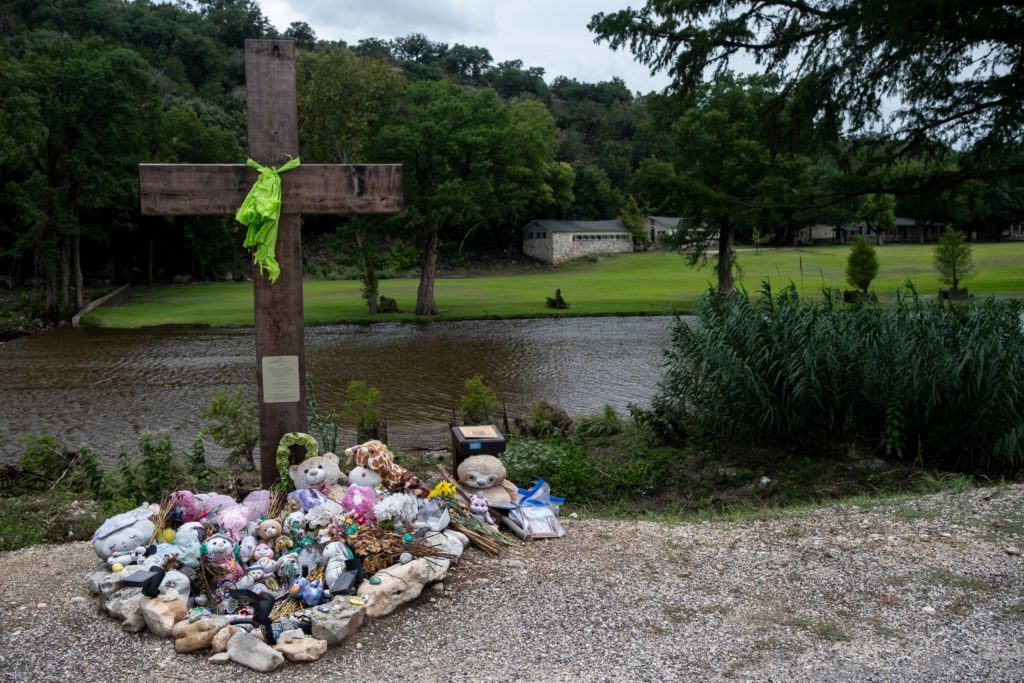
The century-old private Christian girls' camp is situated on the banks of the Guadalupe River in Texas. Its grounds include rolling wooded hills and several single-story cabins that housed some of the youngest attendees. A recreation hall near the water's edge was also part of the flooded zone. While a second campus located on higher ground escaped the surge, the primary site remains central to the ongoing legal and financial disputes. The bankruptcy documents suggest that any successful purchaser would likely acquire a portion of the camp essentially frozen in time, reflecting its condition at the moment of the disaster.
The Eastland family, which has owned the camp for decades, initially attempted to reopen the facility this summer. However, those efforts were met with intense resistance from the families of the victims and certain state lawmakers. This opposition has fueled a series of lawsuits and legislative inquiries aimed at understanding the failures that led to the tragedy. The bankruptcy plan explicitly states that while no buyer is required to operate the property as a camp, there is an expressed preference for bids from parties committed to maintaining the site's historic mission. The owners anticipate that a supportive group of families may back the eventual purchaser.
Legal challenges surrounding the sale are already intensifying. Families of those who died have actively fought against any demolition of damaged structures or repairs to buildings, arguing that such actions could compromise evidence or disrespect the memory of their loved ones. Tim Ferguson, an attorney representing the family of eight-year-old Mary Grace Baker, emphasized that his clients intend to continue seeking answers and justice. He stated that while the Eastlands are attempting to determine the property's future, victims' families will work to ensure any transaction is conducted fairly and transparently.
The path forward requires approval from Judge Lopez, who must weigh the interests of all creditors, including the numerous families who have filed civil suits against Camp Mystic. These stakeholders will have the opportunity to respond to the proposed plan before a final decision is made. The bankruptcy filing does not resolve the broader questions of liability or negligence that continue to haunt the community. Instead, it represents a procedural step in unwinding the camp's operations while preserving certain assets for potential future use.
Parallel to the civil proceedings, state authorities are conducting a criminal investigation into the events of July 4, 2025. Earlier this month, Texas police sought search warrants for the electronic communications of the camp's owners. Investigators believe these records could provide critical evidence regarding potential charges such as manslaughter, negligent homicide, or child abandonment. The scope of the inquiry reflects the severity of the incident, which resulted in at least 136 deaths along a several-mile stretch of the river.
A legislative probe has already highlighted significant operational failures at the camp. Lawmakers determined that many of the counselors on duty were young and lacked adequate training for handling floods or other emergencies. The investigation suggested that an earlier decision to evacuate could have prevented all twenty-seven deaths at Camp Mystic. Most of the victims were under the age of ten, with some attending the camp for the first time. These findings have fueled public outrage and intensified calls for accountability from both families and officials.
As the bankruptcy process moves forward, the tension between preserving the camp's legacy and addressing legal grievances remains unresolved. The proposed sale offers a mechanism to liquidate assets while potentially keeping the site intact for historical or memorial purposes. However, it does not absolve the owners of their legal responsibilities. With criminal warrants pending and civil lawsuits ongoing, the future of Camp Mystic is likely to be shaped by courtrooms as much as by market forces. The coming months will test whether a compromise can be reached that satisfies both financial creditors and those seeking justice for the lost lives.
Officials with Camp Mystic did not immediately respond to requests for comment regarding the latest developments. The silence from the estate contrasts with the vocal advocacy of victims' families, who remain determined to see transparency in every aspect of the proceedings. As the legal landscape evolves, the community watches closely to see how the bankruptcy court balances competing interests. The outcome will set a precedent for how similar tragedies are handled when institutional failure intersects with natural disaster.
The situation underscores the complex interplay between property rights, criminal liability, and civil justice in the aftermath of mass casualty events. While the physical structure of Camp Mystic may change hands, the emotional and legal scars remain deep. The proposed sale is not an end to the controversy but rather a new chapter in a prolonged struggle for truth and restitution. All parties involved now await judicial guidance on how to proceed with the auction and the broader resolution of claims against the camp's estate.
Sources behind this briefing
Go to the original reporting
- PBS NewsHour↗A bankrupt Camp Mystic seeks to sell the property as its legal troubles grow