The short version
- The Cambodian government has officially designated a 315-hectare wetland as a genetic conservation area to protect one of the last remaining wild populations of Siamese crocodiles.
- Indigenous Chorng communities, who view the reptiles as sacred guardians, play a central role in monitoring habitats and facilitating scientific research through their traditional knowledge.
- Recent data indicates a significant breeding event with sixty hatchlings emerging from wild nests, supporting broader efforts to reintroduce genetically pure individuals into protected rivers.
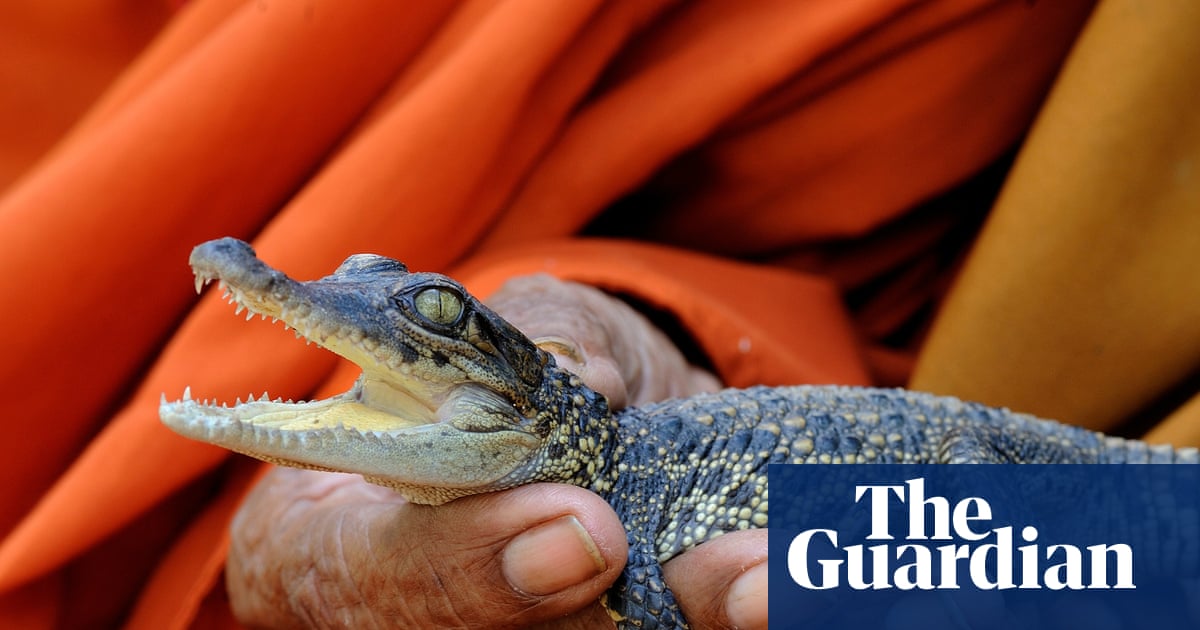
The Cambodian Ministry of Environment has formally established a new genetic conservation area in Pursat province, marking a pivotal step in the recovery of the Siamese crocodile. Designated on July 22, the 315-hectare wetland located at the northern edge of the Cardamom Mountains is intended to safeguard one of the few remaining wild populations of this critically endangered species. The designation reflects a shift from mere survival strategies to active genetic preservation, aiming to maintain the biological integrity of crocodiles that have been decimated by hunting, habitat loss, and hybridization with farmed individuals throughout the twentieth century.
The decision follows decades of uncertainty regarding the species' status in the region. During the 1990s, conservationists widely believed the Siamese crocodile had vanished from Cambodia due to intense fishing pressure and poaching. However, reports from Indigenous Chorng communities living in the remote mountain villages persisted, suggesting the animals still inhabited local waterways. This traditional knowledge proved critical when researchers surveyed the area in 2000, leading to the official rediscovery of the species. The Chorng people’s spiritual connection to the forest and their reverence for the crocodiles as sacred guardians provided the initial clues that allowed scientists to locate these elusive reptiles.
The newly protected zone is estimated to house at least forty Siamese crocodiles, a number considered vital for maintaining genetic diversity. Conservation experts describe the site as a 'genetic bank,' emphasizing that preserving intact wild populations is essential for preventing inbreeding and enhancing the species' resilience against disease. If this population remains healthy and expands, it could eventually serve as a source for reintroduction programs in neighboring countries such as Malaysia, Myanmar, and Indonesia, where the Siamese crocodile is currently believed to be extinct.
This protected area complements broader rehabilitation efforts led by international conservation organizations. Fauna & Flora International established a breeding facility in 2011 to produce genetically pure Siamese crocodiles for release into safe habitats. The center currently holds six hundred and forty-eight individuals, including seventy-one breeding parents. Since its inception, the program has released two hundred and forty-six crocodiles into the wild, with one hundred of those releases occurring since 2024. These efforts are designed to accelerate natural recovery processes that would otherwise take decades, addressing the urgent need to boost numbers from the brink of extinction.
The success of these initiatives relies heavily on the integration of scientific methods with local community involvement. Before release, some crocodiles are equipped with acoustic tags to track their movements and inform targeted protection strategies. Local wardens, many of whom are members of the Chorng community, assist in monitoring rivers, identifying nesting sites, and patrolling against illegal fishing and poaching. Their presence on the ground allows conservationists to respond quickly to threats and gather data on animal behavior without disturbing the ecosystem.
Recent field observations highlight the effectiveness of this collaborative approach. In 2024, wardens discovered five wild nests containing one hundred and six eggs in the Cardamom Mountains. They monitored the sites and recorded sixty hatchlings emerging, marking the largest known wild breeding event for the species in Cambodia this century. This surge in natural reproduction suggests that habitat protection and reduced human interference are yielding tangible results. The involvement of community members as frontline monitors has been described by program managers as indispensable to the overall success of the conservation strategy.
The relationship between the Chorng people and the crocodiles is characterized by coexistence rather than conflict. Community members engage in farming and cropping along riverbanks, yet they report feeling no fear toward the reptiles, even when animals damage crops. This attitude stems from generations of living alongside the species, with elders passing down stories of the crocodiles as ancestral protectors. Conservation leaders note that this cultural perspective aligns seamlessly with modern ecological goals, creating a sustainable model for wildlife management that respects both biodiversity and indigenous rights.
Looking ahead, the formal designation of the wetland provides a legal framework to ensure long-term protection of the habitat. While challenges remain, including the need to prevent cross-breeding with farmed crocodiles and to combat ongoing poaching pressures, the establishment of this genetic sanctuary offers a structured path forward. The combination of captive breeding, wild population monitoring, and indigenous stewardship represents a comprehensive strategy for reversing the decline of the Siamese crocodile. As the protected area matures, it will serve as a critical reference point for assessing the viability of reintroduction efforts across Southeast Asia.
The broader implications of this conservation success extend beyond a single species. The Cardamom Mountains wetland serves as a test case for how indigenous knowledge can inform and enhance scientific conservation practices. By validating the role of local communities in biodiversity protection, Cambodia is setting a precedent for other regions facing similar ecological crises. The continued health of the Siamese crocodile population will depend on sustained funding, rigorous monitoring, and the preservation of the cultural traditions that have kept these animals alive through decades of environmental degradation.
Sources behind this briefing
Go to the original reporting
- The Guardian US↗Saving the Siamese crocodile: Cambodia moves to protect one of the world’s last wild populations