The short version
- Federal prosecutors requested California counties verify the citizenship status of roughly 20,000 voters within 48 hours, a timeline state officials deem insufficient and potentially harmful.
- California Governor Gavin Newsom and Attorney General Rob Bonta criticized the directive as baseless, noting that many individuals on the list were U.S.-born or had not voted at all.
- The Justice Department points to recent arrests of foreign nationals for voting fraud as justification for its oversight efforts, while an appeals court is scheduled to review the legal dispute.
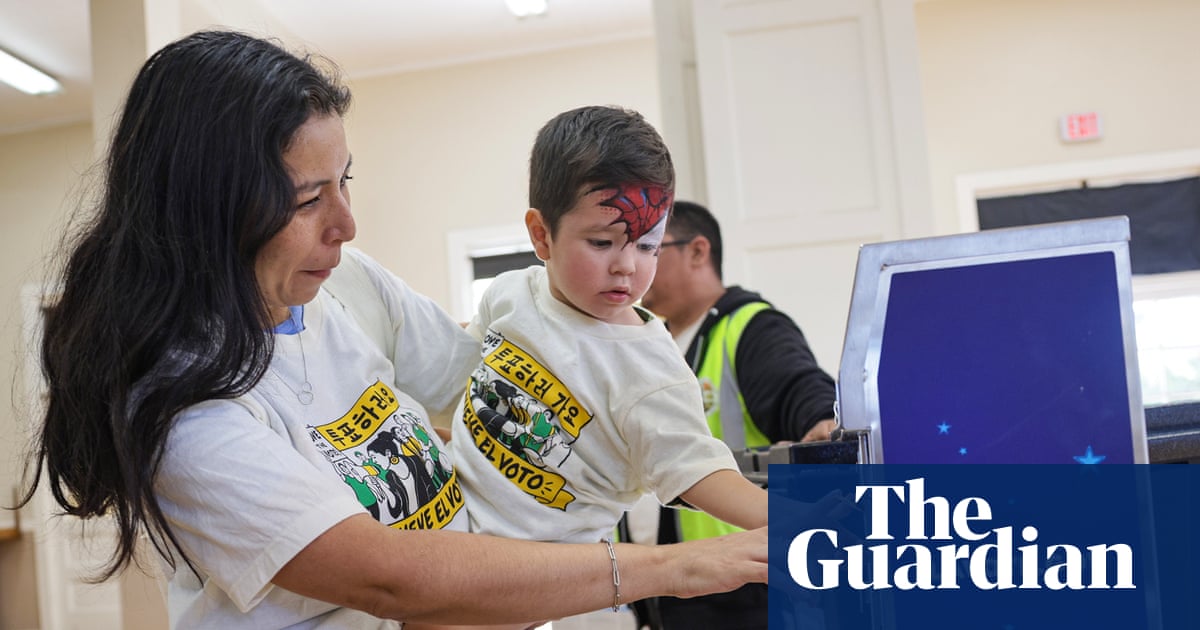
Tensions between state and federal authorities have escalated sharply in California less than two weeks before the midterm elections. The Justice Department has issued a directive requiring county election officials to verify the citizenship status of approximately 20,000 individuals suspected of being noncitizens. Federal prosecutors demanded that this verification process be completed within a strict 48-hour window, asserting that such measures are necessary to ensure election security.
State leaders have strongly rebuked the federal intervention, characterizing it as an unfounded attempt to manufacture claims of widespread voter fraud. Governor Gavin Newsom took to social media to condemn the action, describing the lists provided by the Department of Justice as containing individuals who had never voted or were registered in incorrect counties. He framed the administration’s efforts as a desperate and chaotic maneuver designed to intimidate voters rather than protect democratic processes.
Local election personnel have expressed significant concern that complying with such a rushed directive could inadvertently disenfranchise eligible American citizens. Officials in Los Angeles reported that a high percentage of the people named on the federal list were born in the United States. This discrepancy suggests that the data used to identify suspected noncitizens may be flawed or incomplete, raising questions about the reliability of the federal government’s targeting methods.
Rob Bonta, the California attorney general, highlighted the lack of substantive evidence accompanying the federal request. He noted that the Justice Department provided only names without any supporting documentation explaining why these individuals were deemed ineligible to vote. Bonta stated that if the federal government possessed credible information regarding voter ineligibility, state officials would be willing to review it, but emphasized that no such evidence had been forthcoming.
The federal push is part of a broader national strategy by Republican leaders to crack down on alleged voting irregularities, particularly among undocumented immigrants. The Justice Department has charged 28 foreign nationals recently, accusing them of fraudulently registering to vote. Bill Essayli, the first assistant U.S. attorney, argued that these arrests demonstrate that California is mailing ballots to noncitizens and failing to comply with federal law, which criminalizes voting by noncitizens.
Despite the federal pressure, some state officials have refused to take immediate action, citing the proximity of the election date as a reason for caution. This refusal has triggered a legal battle between the state and the Justice Department. The dispute is now headed to an appeals court, which is scheduled to hear arguments on Tuesday. The outcome of this hearing could set a precedent for how federal oversight intersects with state election administration in future cycles.
Congressman Pete Aguilar, representing southwestern San Bernardino County, joined other state leaders in condemning the federal initiative. He described the actions as voter intimidation that has no place in American democracy. His comments reflect a broader sentiment among California Democrats that the Trump administration’s focus on noncitizen voting is a distraction from more pressing issues and a tactic designed to suppress turnout among certain demographics.
As the midterm elections approach, the conflict underscores the deepening divide over election integrity and federal authority. While the Justice Department insists that its actions are necessary to protect the rights of American citizens, state officials argue that the lack of evidence and the tight deadlines pose a greater risk to the electoral process than any potential fraud. The coming days will likely see increased legal maneuvering as both sides prepare for the court’s decision.
The situation remains fluid, with no clear resolution in sight before voters head to the polls. Election officials across the state are bracing for potential disruptions, while federal prosecutors maintain that their efforts are justified by recent enforcement actions. The appeals court ruling will be critical in determining whether the federal government can compel state agencies to conduct rapid citizenship checks during an active election cycle.
Observers note that this confrontation is not merely about individual ballots but represents a larger struggle over the role of the federal government in local elections. If the Justice Department’s approach is upheld, it could lead to increased scrutiny and potential disenfranchisement in future elections. Conversely, if the state’s resistance prevails, it may limit federal oversight capabilities in similar contexts. The stakes are high for both election integrity and civil rights.
Sources behind this briefing
Go to the original reporting
- The Guardian World↗California leaders rebuke Trump administration’s push over alleged noncitizen voting