The short version
- Ian Choudri resigned as CEO of the California High-Speed Rail Authority after an audit revealed over $540,000 in improper travel reimbursements for consultants.
- The agency faces mounting financial and political challenges, including a ballooning budget exceeding $100 billion and the withdrawal of federal funding by the previous administration.
- Incoming Governor Xavier Becerra has pledged to overhaul the authority's leadership structure if elected, signaling significant changes ahead for the long-delayed transit project.
The chief executive of California’s high-speed rail authority has stepped down abruptly, marking a significant personnel shift in one of the state’s most contentious infrastructure projects. Ian Choudri resigned on Wednesday, citing personal and family priorities in an internal communication obtained by CalMatters. His departure comes shortly after a state watchdog agency released findings that the organization had misused public funds, specifically regarding travel expenses for external consultants.
The resignation follows a September report from California’s office of the inspector general, which identified serious irregularities in how the rail authority managed its budget. The investigation determined that the agency paid approximately $543,000 in travel-related reimbursements that violated established guidelines. These prohibited expenses included costs associated with international trips and out-of-state travel that lacked proper justification or approval.
Scrutiny of these expenditures has intensified due to the nature of some reimbursed activities. The inspector general’s findings highlighted payments totaling $81,000 for consultant travel to locations that did not serve an official business purpose. These destinations included recreational venues such as gyms, escape rooms, and nightclubs, raising concerns about the mixing of professional duties with personal leisure under Choudri’s leadership.
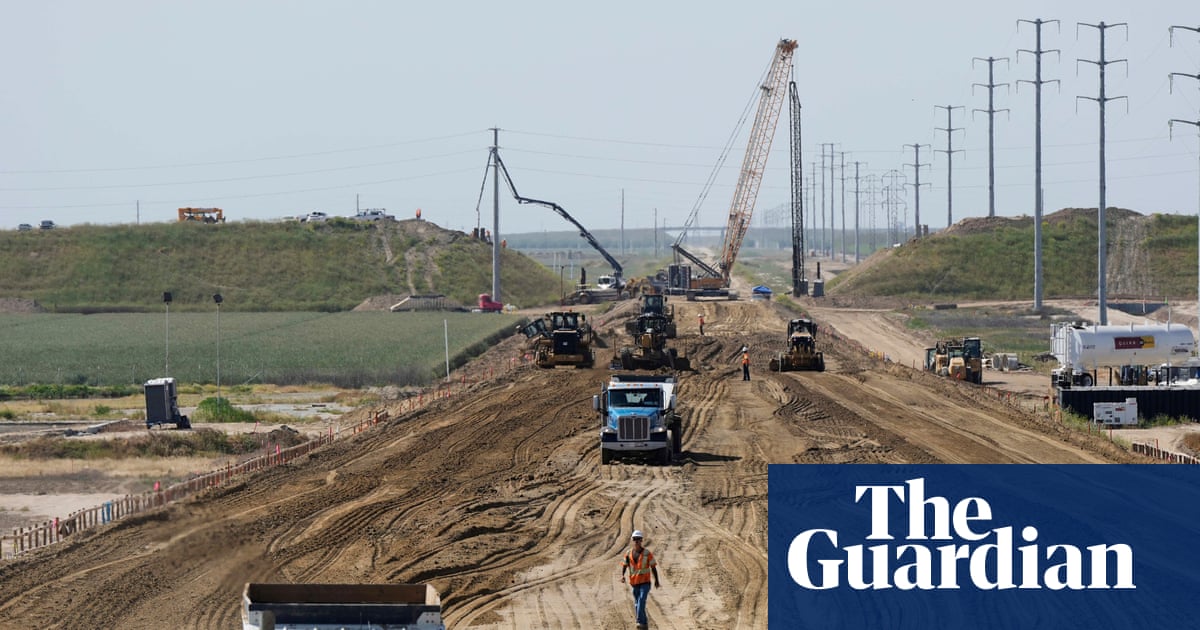
Choudri assumed his role at the rail authority in 2024, inheriting a project that has faced decades of delays and financial overruns. The initiative, originally approved by voters eighteen years ago through a multi-billion dollar bond measure, was designed to connect Los Angeles and San Francisco with high-speed rail service. Despite early comparisons to efficient transit systems in Asia, the project has yet to lay any tracks, remaining largely conceptual as it struggles to secure stable funding.
The financial landscape for the rail authority has deteriorated significantly over time. The estimated cost of completing the line has surged past $100 billion, far exceeding initial projections. Compounding these domestic challenges, the Trump administration withdrew $4 billion in federal funding last year, citing inefficiencies and lack of progress. Transportation Secretary Sean Duffy characterized the endeavor as a wasteful expenditure during that decision-making period.
Political pressure on the agency is expected to increase with the upcoming change in state leadership. Xavier Becerra, who is favored to win the governorship against Steve Hilton, has publicly criticized the current management structure of the rail authority. In an interview aired shortly before Choudri’s resignation, Becerra stated that he intends to implement substantial personnel changes if elected.
Becerra emphasized the need to restore public trust in the project by removing existing leadership figures. He indicated that the authority would require a fundamental restructuring to continue operations effectively under his administration. This stance suggests that Choudri’s departure may be part of a broader transition rather than an isolated incident, as the incoming governor seeks to distance himself from previous controversies.
In the immediate aftermath of Choudri’s exit, Joe Stephenshaw, director of California’s department of finance, has been appointed as interim CEO. This temporary arrangement aims to maintain operational continuity while the agency navigates the fallout from the spending scandal and prepares for potential leadership changes following the election. The situation underscores the ongoing difficulties in delivering large-scale public works projects amid fiscal constraints and political scrutiny.
The resignation highlights the broader challenges facing California’s infrastructure ambitions. With no physical progress on the ground and a budget that continues to expand, the high-speed rail project remains a symbol of both ambition and administrative struggle. The combination of internal mismanagement allegations and external political opposition creates an uncertain future for the initiative as it enters a new phase of governance.
As the state prepares for the transition of power, attention will likely focus on how the incoming administration addresses the financial and operational issues plaguing the rail authority. The interim leadership must manage day-to-day operations while preparing for potential reforms mandated by Governor-elect Becerra. The outcome of these efforts will determine whether the project can regain momentum or faces further delays and potential cancellation.
Sources behind this briefing
Go to the original reporting
- The Guardian US↗California high-speed rail chief quits amid billowing expenses scandal