The short version
- Andy Burnham announced plans to replace the pensions triple lock with a lower guarantee to finance a national care service in England.
- The prime minister signaled a potential shift toward closer ties with the European Union, describing Brexit as harmful to growth and prosperity.
- Burnham committed to establishing a cross-party commission for electoral reform but admitted major policy changes must wait until after the next election.
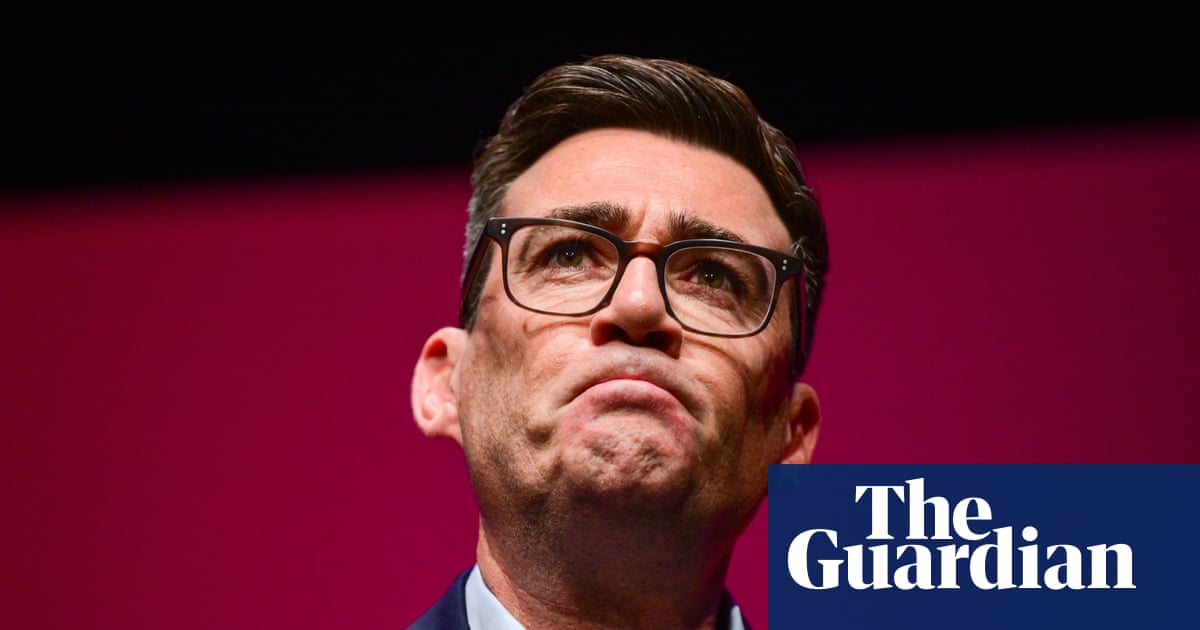
Prime Minister Andy Burnham delivered an emotional address at the Labour Party conference in Liverpool, outlining a significant departure from recent political norms. He positioned his agenda as a necessary break from the last four decades of governance, aiming to restore national prosperity and stability. The speech served as an early preview of potential manifesto commitments for the next general election, focusing on three core areas: social care reform, electoral system changes, and a redefined relationship with Europe.
Central to Burnham’s proposal is the dismantling of the pensions triple lock, which currently guarantees pension increases based on the highest of inflation, wage growth, or 2.5 percent. He suggested replacing this mechanism with a rise tied only to inflation or 2.5 percent, whichever is higher. The savings generated from this adjustment would fund a new national care service in England, intended to be free at the point of use. This model appears to draw inspiration from Scotland’s system, covering care costs but excluding accommodation expenses.
Burnham framed this shift as both an economic necessity and a moral imperative. He acknowledged that pensioners might initially face lower income growth but argued they would benefit significantly from the new care infrastructure and proposed income tax exemptions. He also expressed regret for how the political class had neglected care workers, describing them as previously invisible to policymakers. This stance suggests a potential carve-out for migrant care workers from broader immigration restrictions currently being considered by his government.
On foreign policy, Burnham offered his strongest indication yet that the UK may seek closer alignment with the European Union. He criticized Brexit as a handbrake on economic growth and stated that the country’s current position is insufficient for long-term prosperity. While he did not specify exact terms, he mentioned options such as trading relationships similar to those of Norway, Switzerland, or Canada, or even rejoining the customs union or single market. In extreme scenarios, reversing Brexit entirely remains a possibility under his proposed framework.
Despite these ambitious goals, Burnham emphasized that immediate implementation is unlikely due to the state of public finances. He committed to adhering to strict fiscal rules to reduce borrowing and debt, noting that global economic instability requires caution. Consequently, most of these transformative policies will likely be deferred until after the next general election. In the interim, he promised modest measures to provide some relief on living costs, though he admitted these would not fully address underlying economic pressures.
The prime minister also addressed domestic political instability by proposing a cross-party national commission to explore replacing the first-past-the-post voting system with proportional representation. He cited the frequent turnover of leadership in recent years as evidence that the current system fosters turbulence rather than stability. By advocating for electoral reform, Burnham aims to prevent future governments from taking power with minimal public support, which he described as a failure of democratic duty.
Politically, these announcements carry significant risk. Burnham acknowledged that challenging established norms could result in electoral backlash, particularly in constituencies like his own, Makerfield, which voted to leave the EU. Polling data indicates Labour is currently trailing Reform UK in some metrics, adding pressure on the prime minister to demonstrate clear direction. His speech was marked by personal reflection, including pauses related to the loss of his father, underscoring the emotional weight he places on restoring national cohesion.
Looking ahead, Burnham’s strategy hinges on convincing voters that short-term sacrifices are necessary for long-term gains. He described his approach as responsible and honest, contrasting it with what he characterized as the failures of previous administrations. The coming months will likely see further detail emerge regarding how these policies might be structured and funded, particularly as the government navigates complex negotiations with international partners and domestic stakeholders.
Critics may argue that delaying major reforms until after the next election undermines immediate public confidence. However, Burnham maintains that fiscal responsibility must take precedence over rapid change. His vision seeks to redefine Britain’s role in Europe while simultaneously addressing deep-seated issues in social care and democratic representation. Whether this gamble resonates with the electorate remains uncertain, but it clearly marks a pivotal moment in his tenure.
As the conference concluded, Burnham urged supporters to view these proposals as a sign of intent rather than immediate action. He stressed that rebuilding trust and restoring growth require patience and perseverance. The coming year will test whether his bold rhetoric can translate into tangible policy outcomes without alienating key voter bases or destabilizing already fragile economic conditions.
Sources behind this briefing
Go to the original reporting
- The Guardian World↗Burnham stakes his future on care, electoral reform and Europe in emotional Labour conference speech