The short version
- Republican senators aggressively challenged Jack Smith’s credibility and motives during a contentious hearing on his former role as special counsel.
- Conflicts arose over specific allegations, including a disputed claim about Smith attending a basketball game in Atlanta and accusations of improper targeting of Republican officials.
- Smith maintained that his investigations were conducted impartially and would have proceeded similarly regardless of the political affiliation of the subject.
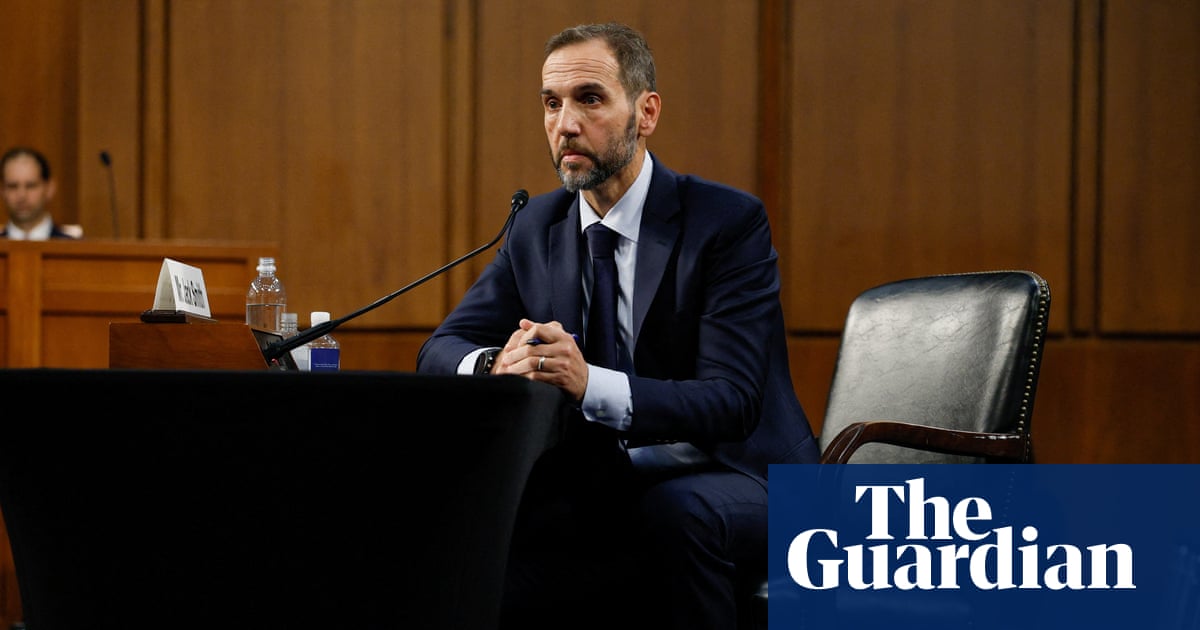
A Senate Judiciary Committee hearing held on Tuesday was marked by sharp partisan divisions as former special counsel Jack Smith faced intense scrutiny from Republican lawmakers regarding his previous oversight of two federal criminal investigations into Donald Trump. The proceedings highlighted deep disagreements over the legitimacy and conduct of the probes, which examined efforts to overturn the 2020 election results and the mishandling of classified documents. Both cases were ultimately dismissed before reaching trial, a outcome that has fueled ongoing political debate about the justice department’s actions during the previous administration.
Republican senators employed aggressive rhetoric and what they characterized as evidence of misconduct to challenge Smith’s testimony. Missouri Senator Eric Schmitt accused Smith of perjury, alleging that the prosecutor had traveled to Atlanta on February 3, 2024, to attend a basketball game involving the local Hawks team. Schmitt suggested this trip indicated a potential meeting with Fani Willis, the former Fulton County district attorney who pursued state charges against Trump. Smith firmly denied ever attending such an event, clarifying that he had instead watched a University of Iowa Hawkeyes game in Maryland featuring player Caitlin Clark. Minnesota Senator Amy Klobuchar criticized Schmitt for presenting this confusion as factual evidence and called for an apology for the false implications.
Other Republican lawmakers focused their questioning on Smith’s decision to subpoena phone records from members of Congress and conservative organizations. Texas Senator Ted Cruz expressed anger over these actions, comparing Smith to Javert, a relentless inspector from the musical Les Misérables, and insinuating that the special counsel used his position to target Republicans. Louisiana Senator John Kennedy raised unsubstantiated allegations that former President Joe Biden or White House staff directed Attorney General Merrick Garland to prosecute Trump. When Kennedy asked Smith if he believed in mythical figures like the Tooth Fairy or Easter Bunny, Smith responded dryly that he no longer believed in the latter. Kennedy also made personal remarks, stating that Smith’s testimony made him feel physically ill.
South Carolina Senator Darline Graham accused Smith of bullying her late brother, former Senator Lindsey Graham, through subpoenas that allegedly caused significant stress. Smith pushed back against this characterization, asserting that Lindsey Graham was not a target of the investigation but rather a potential witness who did not believe the 2020 election had been stolen. He described his late colleague as a patriotic public servant, rejecting the notion that the inquiry was designed to harass him. These exchanges underscored the personal nature of the political conflict surrounding the investigations.
Democratic senators used the hearing to emphasize the severity of the January 6, 2021, attack on the U.S. Capitol and to accuse Trump of inciting violence through false claims of election fraud. New Jersey Senator Cory Booker described the proceedings as a farce, while Delaware Senator Chris Coons pointed out that the current administration had dismissed justice department employees who previously worked on Smith’s team. Democrats argued that the Republican attacks were an attempt to undermine the rule of law and distract from the serious nature of the allegations investigated by Smith.
Throughout the hearing, Smith defended his methods and the necessity of the subpoenas issued during his tenure. He explained that obtaining phone records was essential for gathering evidence related to Trump’s communications with members of Congress regarding attempts to delay the certification of the 2020 presidential election results. Smith maintained that his team compiled sufficient evidence to support prosecution in both cases, despite their eventual dismissal. He emphasized that his approach was guided by legal standards rather than political considerations.
In his opening statement, Smith reiterated his commitment to nonpartisan enforcement of the law. He stated that if asked today whether to prosecute a former president based on the same facts, he would do so regardless of whether that individual was a Republican or a Democrat. This assertion aimed to counter claims that the investigations were politically motivated. The hearing concluded without resolving the deep-seated disagreements between the parties, reflecting the broader national divide over the handling of post-election legal matters.
The event drew significant attention on social media, particularly due to the unusual nature of some exchanges, such as the basketball team mix-up and references to mythical creatures. These moments highlighted the theatrical elements that often accompany high-profile political hearings. Despite the distractions, the core issues remained focused on accountability, transparency, and the proper use of prosecutorial power. The hearing served as a platform for both sides to articulate their positions on the legacy of the Trump investigations.
As the committee moves forward, the implications of Smith’s testimony may influence future legislative actions related to oversight of special counsels and the justice department. Lawmakers from both parties are likely to continue debating the balance between political independence and accountability in federal prosecutions. The hearing underscored the challenges of maintaining bipartisan consensus on matters involving high-profile political figures and sensitive legal inquiries.
The outcome of these discussions will have lasting effects on how future administrations handle similar investigations. Stakeholders across the political spectrum are watching closely to see whether the hearings lead to any concrete policy changes or reforms. The intense scrutiny faced by Smith reflects the heightened stakes involved in cases that intersect with presidential power and electoral integrity.
Sources behind this briefing
Go to the original reporting
- The Guardian World↗‘You make me want to throw up’: Republicans attack ex-special counsel Jack Smith at Senate hearing