The short version
- Prime Minister Andy Burnham admits the recent budget was less transformative than desired due to economic volatility and geopolitical instability.
- Internal Labour tensions surface as defense secretary Wes Streeting defends current military spending against accusations of delay from party colleagues.
- Future welfare reforms are expected to focus on reducing youth dependency without implementing severe benefit cuts, according to government statements.
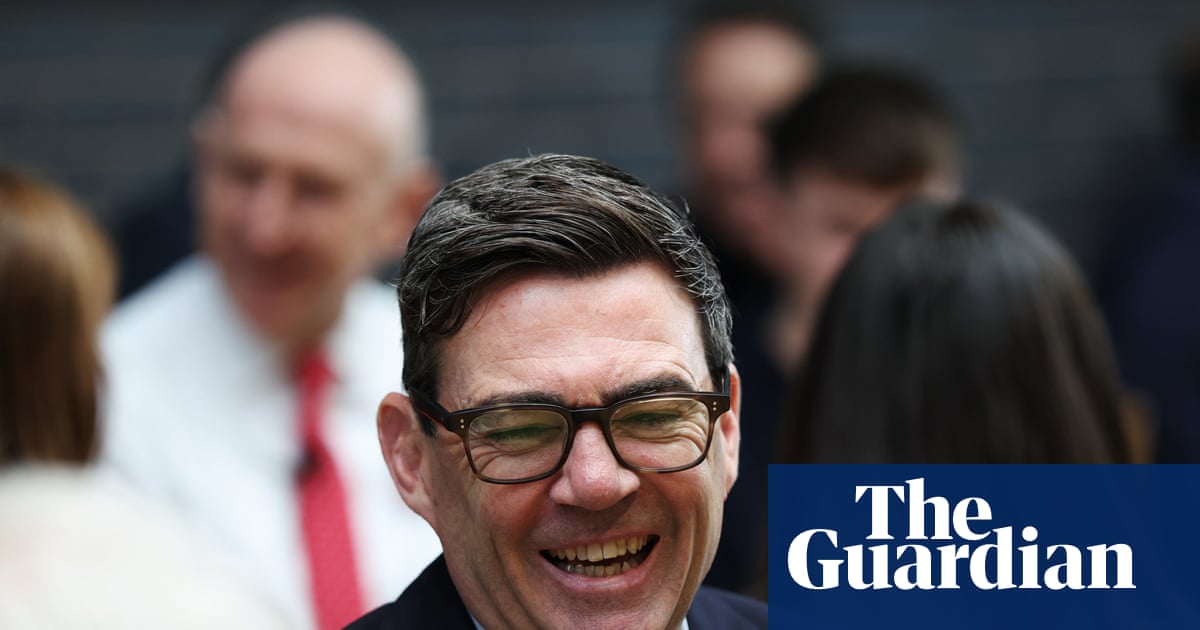
Prime Minister Andy Burnham has acknowledged that his administration’s first major fiscal statement lacked the radical scope he initially envisioned for his tenure. Speaking publicly after Chancellor John Healey unveiled a series of modest measures, including a one-hundred-pound payment to most households to offset winter energy costs, Burnham conceded that external pressures significantly constrained the government’s policy options. He described the current economic landscape as volatile, noting that geopolitical crises, particularly the ongoing conflict in Iran, have driven up borrowing costs and limited the room for maneuver. This admission marks a departure from the sweeping promises made during the election campaign, signaling a pragmatic shift in how the Labour government is approaching its early mandate.
The chancellor’s announcement focused on relatively inexpensive interventions designed to provide immediate relief without destabilizing public finances. While the energy payment reaches approximately twenty million households, critics argue that the measures do not go far enough to address the broader cost-of-living crisis. Burnham defended the approach by highlighting the difficulty of asking financial institutions to repay assistance provided two decades ago and emphasizing the significance of reaching such a large portion of the population with direct support. He suggested that within the narrow margins available, the government had made substantial efforts to deliver tangible benefits, even if they fell short of idealistic goals.
Burnham also pointed to the constraints imposed by Labour’s own 2024 election manifesto, which secured a landslide victory but explicitly ruled out increases in income tax, national insurance, or value-added tax. He admitted that had he controlled the drafting of the manifesto, he might have structured it differently to allow for greater fiscal flexibility. However, he emphasized the importance of honoring the commitments made to voters during the campaign. This tension between political promise and economic reality underscores the challenges facing a government that campaigned on ending decades of neoliberal policies but now finds itself navigating a complex global environment.
Despite the cautious fiscal stance, the prime minister reiterated his long-term vision for significant structural changes, particularly in the welfare system. He indicated that major reforms would be outlined in the coming months, informed by reports from former minister Alan Milburn and current minister Stephen Timms. Burnham stressed that these changes would not involve brutal cuts that could push vulnerable individuals into crisis. Instead, the focus would be on preventing young people from relying on benefits unless they are unable to work due to disability or other compelling reasons. This approach aims to balance compassion with a desire to reduce dependency among younger demographics.
The government’s strategy so far has included a series of smaller announcements intended to provide breathing space while more comprehensive plans are developed. These measures have ranged from tax cuts on energy bills and lower bus fares to minor regulatory adjustments, such as fines for playing music loudly on public transport. Supporters argue that these steps demonstrate a commitment to gradual improvement without risking economic instability. However, opposition figures, including Conservative leader Kemi Badenoch, have dismissed the budget as insufficient, suggesting that many citizens feel let down by the lack of bold action.
Internal party dynamics are also coming under scrutiny, particularly regarding defense spending. Tan Dhesi, the Labour chair of the defense select committee, accused the government of inaction and delaying necessary investments in military capabilities. Defense Secretary Wes Streeting pushed back against these claims, asserting that the government is already investing heavily in defense and that further announcements will be made during the upcoming spending review. Streeting emphasized that prioritizing defense requires trade-offs, with other departments and taxpayers bearing some of the burden. He rejected the notion that the government was kicking the can down the road, pointing to immediate funding for new capabilities.
The debate over defense spending highlights the broader challenge of balancing competing priorities within a constrained budget. Streeting hinted that additional departmental cuts might be necessary next year to fund further increases in military expenditure. This suggests that the fiscal caution displayed in the recent budget may extend beyond immediate relief measures and into longer-term structural adjustments. As the government moves forward, it must navigate not only external geopolitical risks but also internal expectations for transformative change.
Looking ahead, the administration faces the task of delivering on its promise of sweeping economic reform while managing public expectations shaped by a radical campaign platform. The coming months will likely see detailed proposals for welfare reform and further clarification on how the government plans to address wealth inequality and utility nationalization. Until then, the focus remains on stabilizing the economy and providing targeted support to those most affected by rising costs. The success of this approach will depend on whether voters perceive these incremental steps as a responsible response to uncertainty or as a failure to deliver on the party’s core promises.
As the political landscape evolves, the government’s ability to maintain public trust will hinge on its capacity to communicate the rationale behind its cautious fiscal decisions. Burnham’s admission that the budget was not as radical as he would have liked offers a glimpse into the complexities of modern governance. It reflects a reality where idealistic policies must often be tempered by practical constraints, both domestic and international. The coming period will test whether this pragmatic approach can sustain political support while laying the groundwork for more ambitious reforms in the future.
Sources behind this briefing
Go to the original reporting
- The Guardian World↗Andy Burnham admits he would have liked more radical first budget