The short version
- Michael Bloomberg has directed $80 million toward Democratic candidates and allied groups in an effort to help the party retake the House of Representatives with a comfortable margin.
- Donald Trump has announced plans to spend $400 million supporting Republican candidates, with $300 million already distributed, while Elon Musk has contributed hundreds of millions to conservative causes.
- Democrats view control of Congress as essential to blocking legislative initiatives and investigating the current administration, though fundraising gaps remain a concern for the party.
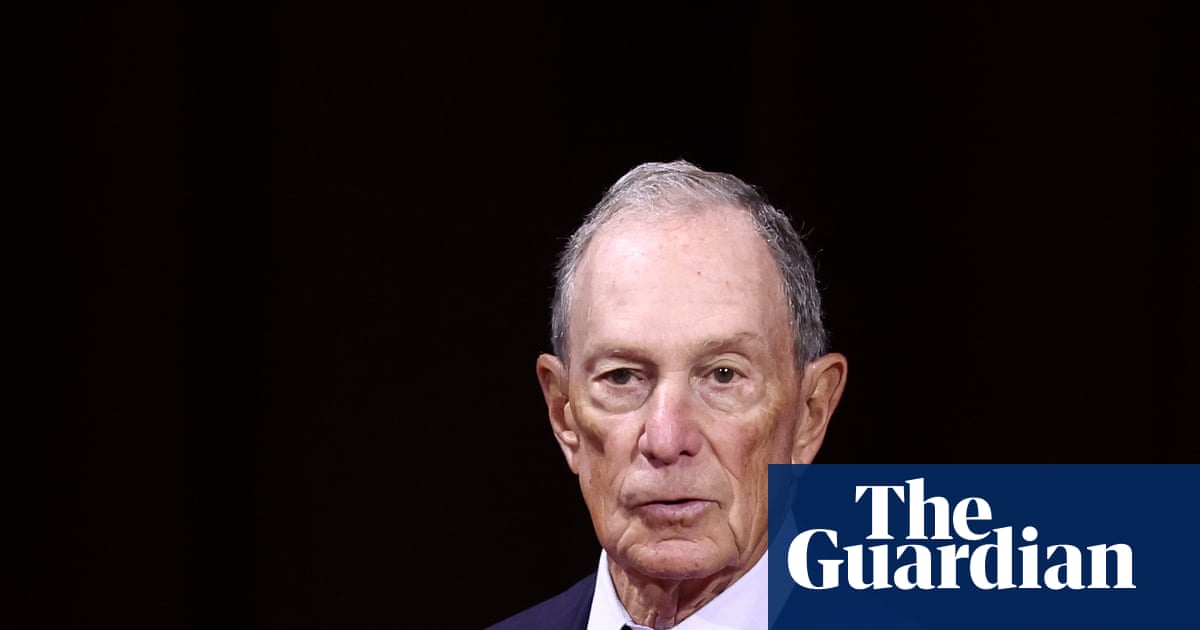
Michael Bloomberg has deployed $80 million in political contributions aimed at helping Democratic candidates win back control of the United States House of Representatives. The infusion of capital arrives during a critical phase of the midterm elections, offering significant support to a party that has recently faced challenges in raising funds compared to its opponents. Bloomberg’s strategy focuses on ensuring that any Democratic victory is not merely narrow but substantial enough to provide legislative stability and influence.
The former New York City mayor’s contributions were made primarily in September and October, according to reports. His political adviser, Howard Wolfson, indicated that the goal is to secure a House majority well above the 218 seats required for control. Wolfson emphasized that the difference between holding 221 seats versus 230 carries significant weight in terms of legislative power and internal party dynamics. This approach suggests a desire for a durable mandate rather than a fragile one.
In contrast to Bloomberg’s targeted spending, former President Donald Trump has announced a much larger financial commitment to Republican candidates. Trump stated his intention to spend a total of $400 million to aid Republicans in the midterms, with $300 million already disbursed. This substantial war chest underscores the high stakes of the election for the Republican Party, which currently holds a historically small majority in the House. The disparity in spending highlights the intense competition for congressional control.
Bloomberg’s donations have been channeled through various entities, including $24 million to Everytown for Gun Safety, an organization he co-founded that is actively supporting Democratic candidates in the lower chamber. An additional $16 million went to the House Majority PAC, which is linked to House Minority Leader Hakeem Jeffries. These allocations reflect a coordinated effort to bolster specific races and organizational infrastructure that can influence election outcomes across multiple districts.
Beyond the House, Bloomberg has also directed funds toward Senate and gubernatorial races. Contributions include $2.5 million to a super PAC supporting James Talarico, the Democratic candidate in Texas’s U.S. Senate race, as well as support for New York Governor Kathy Hochul’s re-election campaign and several other Democratic gubernatorial candidates. While the primary focus remains on flipping the House, these additional investments aim to strengthen Democratic positions at multiple levels of government.
The Republican side benefits not only from Trump’s direct contributions but also from significant spending by his ally Elon Musk. Musk has reportedly spent $366 million on conservative groups and campaigns so far. This combined financial firepower presents a formidable challenge for Democrats, who have acknowledged trailing Republicans in fundraising totals. The sheer volume of money entering the race from both sides indicates that many contests will be decided by narrow margins influenced heavily by advertising and ground operations.
Democrats believe they are favored to retake the House this year, despite the fundraising deficit. They also see an opportunity to gain the four seats necessary to reclaim control of the Senate, although analysts suggest the outcome there remains uncertain. Control of either chamber would empower Democrats to block Trump’s legislative agenda and conduct more effective investigations into his administration. A Senate majority would further allow them to reject nominees for the Supreme Court and other federal judicial positions.
Bloomberg, 84, served three terms as mayor of New York City from 2002 to 2013 before registering as a Democrat. He previously spent $80 million to help Democrats in the 2018 midterms and made a well-funded but unsuccessful bid for the presidential nomination in 2020. His adviser noted that Bloomberg believes resources matter significantly in campaigns and expects tangible results from this year’s investments. The effectiveness of these late-stage donations will likely be measured by the final seat counts and the resulting balance of power in Washington.
As the election approaches, the financial battle between Democratic and Republican backers intensifies. The strategies employed by Bloomberg and Trump reflect broader partisan priorities: Democrats seek to establish a robust majority to check executive power, while Republicans aim to defend their narrow hold on Congress with overwhelming financial support. The coming weeks will reveal whether these massive expenditures can sway enough voters to alter the composition of the U.S. Congress.
The implications of these elections extend beyond immediate legislative control. A shift in congressional leadership could reshape policy debates, oversight mechanisms, and judicial appointments for years to come. With both sides committing unprecedented sums, the midterms have become a high-stakes contest where financial resources play a decisive role in determining the future direction of American politics.
Sources behind this briefing
Go to the original reporting
- The Guardian World↗Michael Bloomberg spends $80m on Democrats as Trump moves $400m to Republican candidates