The short version
- United Airlines chief executive Scott Kirby advocated for a federal wealth tax and high inheritance taxes in a recent interview, arguing that extreme inequality poses a societal risk.
- Conservative politicians and media figures responded with intense backlash, highlighting Kirby’s substantial compensation and calling for consumer boycotts of the airline.
- The controversy emerges as California voters prepare to decide on a proposed billionaire tax, while Kirby defends current airline fares as necessary to cover operational costs.
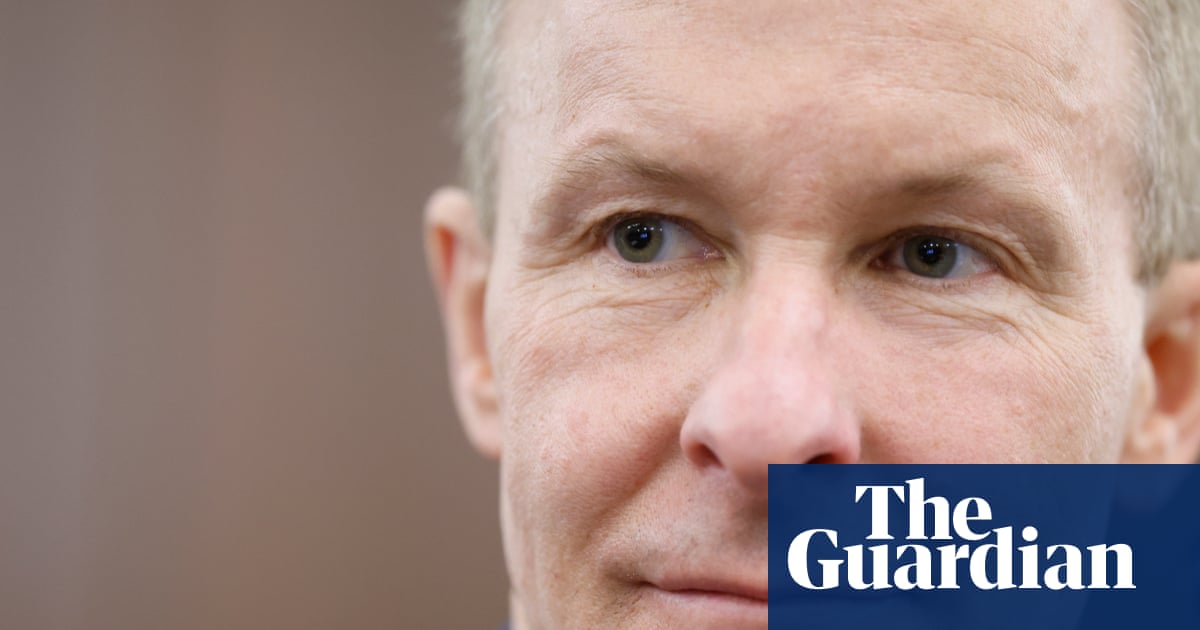
Scott Kirby, the chief executive officer of United Airlines, has become the center of a heated political and cultural dispute after publicly advocating for significant changes to the nation’s tax code. In a recent interview with The New York Times, Kirby addressed growing public skepticism toward corporate leadership, suggesting that extreme wealth disparity constitutes a threat to social stability. He argued that existing state-level attempts to address inequality are ineffective because wealthy individuals can simply relocate to jurisdictions with more favorable tax laws.
Kirby proposed the implementation of a national wealth tax as a solution to this mobility issue. He further suggested that inheritance taxes should be structured to reach nearly one hundred percent at certain income levels, explicitly stating his personal willingness to pay such levies. These remarks were made in the context of discussing whether executives bear responsibility for mitigating distrust among the general public. Kirby’s position places him at odds with prevailing conservative economic views and has drawn immediate attention from political opponents.
The reaction from right-leaning commentators and politicians was swift and severe. Glenn Beck, a former host on Fox News, along with other users on the social media platform X, urged consumers to boycott United Airlines in protest of Kirby’s statements. Louisiana Governor Jeff Landry criticized the CEO’s comments as audacious, pointing out that Kirby did not found the company yet earns an annual compensation package worth thirty-two million dollars. Landry suggested that Kirby should instead distribute his salary to lower-level employees rather than advocating for government taxation.
Media outlets aligned with conservative perspectives also highlighted Kirby’s financial status. Headlines from Fox Business and The New York Post focused on his 2025 earnings, framing his tax proposals as hypocritical given his own wealth accumulation. This narrative has intensified the scrutiny surrounding executive pay in the aviation sector, where compensation packages have long been a subject of public debate. The backlash underscores the polarized nature of discussions regarding wealth redistribution and corporate responsibility in the current political climate.
This controversy arises at a critical juncture for tax policy debates in the United States. Voters in California are scheduled to decide on a proposed billionaire’s tax within two weeks, which would impose a five percent levy on individuals with net worths exceeding specific thresholds. Wealthy residents and their allies have spent millions of dollars opposing the measure, arguing it discourages investment and punishes success. Kirby’s comments may inadvertently fuel arguments against such initiatives by providing a high-profile example of an executive supporting aggressive taxation.
Beyond the tax debate, Kirby used the interview to address concerns about rising airfares. He defended current pricing strategies by noting that recent costs are being compared to artificially low prices observed during the pandemic era, when travel demand collapsed and industry operations were severely disrupted. Kirby emphasized that airlines must charge sufficient rates to cover the substantial expenses associated with operating aircraft, including fuel, maintenance, and labor. He argued that the market has corrected itself from the abnormal conditions of the previous years.
Critics often point to ancillary fees as a source of consumer frustration, particularly the seventy-dollar charge United imposes on passengers who wish to select aisle or window seats without frequent flyer status. Kirby defended this practice by explaining that charging for specific services allows the airline to cater to diverse customer preferences. He noted that customers who desire additional amenities are willing to pay more, while those seeking basic transportation can opt for lower-cost alternatives. This tiered pricing model is standard across the industry but remains a point of contention for travelers.
Data from the Department of Labor provides some context for Kirby’s defense of fare levels. The index for airline fares increased by approximately twenty percent between September 2019 and September 2026. However, overall consumer prices rose by thirty-one percent during the same period. This discrepancy suggests that air travel costs have not kept pace with general inflation, potentially supporting Kirby’s claim that fares remain relatively affordable when adjusted for broader economic trends. Nevertheless, the perception of high ticket prices persists among many consumers.
The intersection of political ideology, corporate governance, and consumer economics has created a complex landscape for United Airlines. While Kirby’s tax proposals have alienated conservative segments of the public, they may resonate with progressive voters concerned about wealth inequality. The airline faces the challenge of navigating these divided sentiments while maintaining operational efficiency and customer satisfaction. As the California vote approaches, the national conversation around taxation and executive compensation is likely to intensify, with Kirby’s comments serving as a focal point for broader ideological battles.
Looking ahead, United Airlines must manage the fallout from this controversy while continuing to operate in a highly competitive market. The company may face increased pressure from both political activists and consumer advocacy groups. Whether the backlash translates into significant financial impact remains uncertain, but the reputational damage could linger. Kirby’s willingness to engage with contentious policy issues highlights the growing expectation that corporate leaders take public stances on societal challenges, regardless of the potential risks involved.
Sources behind this briefing
Go to the original reporting
- The Guardian World↗United Airlines CEO faces rightwing backlash after calling for US wealth tax