The short version
- Dr. Daniel Blumstein created an OnlyFans account for his marmot study after federal university funding was reduced.
- The initiative, dubbed OnlyMarms, has raised over $5,000 in family-friendly wildlife footage to support the Rocky Mountain Biological Laboratory.
- The project underscores broader challenges in securing sustained financial backing for long-term ecological monitoring programs.
A prominent ecological research program based in Colorado has turned to an unexpected digital platform to secure its financial future. Dr. Daniel Blumstein, a biologist at the University of California, Los Angeles, launched an account on OnlyFans, a website primarily known for hosting sexually explicit material, to raise funds for his long-term study of yellow-bellied marmots. The move comes in response to recent reductions in federal funding allocated to universities, which threatened the continuity of the fieldwork.
The Marmot Project is one of the most extensive longitudinal studies of its kind globally. It has been tracking individually identified mammals for more than six decades, making it the second-longest such study in the world, trailing only Jane Goodall’s research on chimpanzees in Tanzania. The Rocky Mountain Biological Laboratory, which hosts the project, relies on this continuous data to understand population dynamics and environmental factors affecting species that are neither threatened nor endangered.
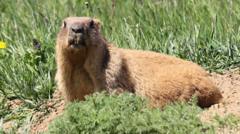
Blumstein described the decision to use the adult content platform as an act of desperation driven by financial necessity. While the site is associated with explicit material, the account, named OnlyMarms, features strictly family-friendly videos of the rodents in their natural habitat. The footage shows the animals scurrying through meadows and emerging from burrows. So far, the campaign has generated more than $5,000, with approximately $4,000 remaining for the laboratory after the platform takes its commission.
The concept emerged during a period of reflection while Blumstein waited in a meadow for the marmots to appear. He had recently watched a television series featuring a character who used a similar platform to support herself financially. The juxtaposition of the show’s premise with his own funding struggles led to the idea that the marmots, too, were facing monetary difficulties. He proposed the concept to his lab students, who helped develop the branding and technical setup for the account.
Setting up the account presented a minor administrative hurdle. The platform requires identity verification through a driver’s license photo, which initially flagged Blumstein because he did not resemble the profile picture of a marmot. A brief exchange with customer support resolved the discrepancy, allowing the team to begin posting content. The videos offer viewers a glimpse into the social behaviors of Rocky Mountain marmots, which are less social than their alpine relatives.
The footage captures various aspects of marmot life, including interactions between males and females. In one clip, a female chases away a male who ventured too close to her burrow. Another video features a female basking in the sun, dubbed the queen of the town by the researchers. The laboratory avoids using human-sounding names for the subjects to prevent bias in their scientific analysis. Instead, the animals are identified by dye marks and code names such as dans_hat, open_kite, and Citroën.
In addition to the subscription-based content, the research team has introduced Fat Marmot Week, a public engagement initiative modeled after the popular Fat Bear Week event. This tournament-style competition allows the public to vote for their favorite marmot in late August. The event highlights the biological imperative for these hibernating animals to gain significant weight before winter. Blumstein noted that while the competition is entertaining, it reflects a serious survival struggle against harsh environmental conditions.
Despite the creative fundraising efforts, Blumstein acknowledged that the revenue from OnlyMarms is unlikely to fully replace the lost federal support. The primary goal of the campaign extends beyond immediate financial relief; it aims to raise public awareness about the value and vulnerability of long-term ecological studies. As government funding becomes increasingly uncertain, researchers are exploring alternative methods to sustain critical scientific infrastructure.
The situation at the Rocky Mountain Biological Laboratory illustrates a broader trend in academic science. Long-term data collection is essential for understanding climate change and ecosystem health, yet such projects often struggle to secure consistent funding. By leveraging social media and public interest in wildlife, Blumstein hopes to demonstrate the importance of preserving these research programs. The outcome of this experiment may influence how other institutions approach financial sustainability in an era of shrinking public grants.
The Marmot Project continues its work despite the financial headwinds. The data collected over six decades provides invaluable insights into mammalian behavior and population trends. While the OnlyFans account offers a temporary buffer, the long-term viability of the study remains dependent on broader shifts in funding policy. The initiative serves as both a practical solution to an immediate crisis and a commentary on the changing landscape of scientific support.
Sources behind this briefing
Go to the original reporting
- BBC Science & Environment↗Marmots facing money troubles turn to OnlyFans

