The short version
- The Avon Wildlife Trust has acquired Ebdon Farm in North Somerset using funds from The National Lottery Heritage Fund.
- Construction will begin this autumn to establish wetlands that support diverse species including kingfishers, bats, and internationally significant bird populations.
- Trust leaders describe the project as a critical step toward climate adaptation and a model for balancing wildlife recovery with local agricultural needs.
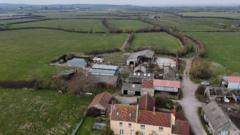
A former dairy operation in North Somerset is set to undergo a radical ecological transformation, shifting from intensive agriculture to a protected wetland reserve. The Avon Wildlife Trust has secured ownership of the 44-acre Ebdon Farm near Wick St Lawrence, positioning the site as a central component of its strategy to restore local biodiversity. This acquisition represents the most ambitious undertaking in the organization's history, signaling a significant shift in how regional land management addresses environmental degradation.
The financial foundation for this transition rests on a £5 million award from The National Lottery Heritage Fund. This injection of capital allowed the trust to purchase the property from the Esmée Fairbairn Foundation charity, which had originally acquired the land. The transaction was subject to a strict two-year fundraising deadline, creating a high-pressure environment for the conservation group to secure the necessary resources before finalizing the deal.
Located approximately 2 kilometers from the coast, the farm has been characterized by trust officials as nature-depleted. The planned redevelopment aims to reverse this trend by introducing new wetland areas designed to be resilient against changing climate conditions. These habitats are intended to provide sanctuary for a variety of species, including bats, newts, and kingfishers. Additionally, the reserve is expected to support internationally important populations of wading birds and waterfowl, enhancing the ecological value of the region.
Shelly Easton, head of nature's recovery at the trust, emphasized the urgency of the project. She described the initiative as a necessary demonstration that a future exists where wildlife, farming, and human communities can coexist positively. By framing the farm as a beacon of hope, trust leadership seeks to illustrate that decisive action can yield tangible results for environmental restoration. The goal is not merely to preserve land but to actively rehabilitate it into a thriving ecosystem.
Leah McNally, the chief executive officer of the Avon Wildlife Trust, highlighted the strategic importance of the farm's location. She noted that the site is ideally placed to serve as a model for nature recovery and climate adaptation. The trust aims to use the reserve to explore local impacts of climate change while providing a template for supporting farmers in vulnerable areas. This dual focus suggests an intent to bridge the gap between conservation goals and agricultural realities.
Physical work on the site is scheduled to commence this autumn. The initial phase will involve construction activities necessary to create the new wetland features. Once these foundational changes are complete, the trust plans to open the Ebdon Farm Nature Reserve to the public. This opening is intended to allow visitors to experience the benefits of restored nature firsthand, fostering a deeper connection between local communities and their environment.
The project addresses broader concerns regarding climate vulnerability in the region. By creating resilient wetlands, the trust hopes to mitigate some of the risks associated with coastal proximity and changing weather patterns. The reserve will serve as a living laboratory for observing how restored ecosystems respond to environmental stressors. This data could inform future conservation efforts and land management practices across similar landscapes.
While the acquisition marks a significant milestone, the success of the project depends on the careful execution of the restoration plan. The trust faces the challenge of balancing immediate construction needs with long-term ecological stability. Ensuring that the new habitats support the targeted species without disrupting existing local dynamics will require ongoing monitoring and adaptive management. The outcome of this initiative could influence how other agricultural lands are repurposed for conservation in the coming years.
The transformation of Ebdon Farm reflects a growing trend toward rewilding and habitat restoration in the United Kingdom. As pressure mounts to address biodiversity loss and climate change, organizations like the Avon Wildlife Trust are taking bold steps to reclaim degraded land. This project stands as a testament to the potential of targeted funding and strategic planning to create lasting environmental benefits. The reserve will eventually offer a space for both wildlife recovery and public engagement with nature.
Looking ahead, the trust anticipates that the reserve will provide multiple benefits beyond ecological restoration. These include opportunities for education, recreation, and research into climate impacts at a local level. By integrating these elements, the project aims to demonstrate the multifaceted value of nature conservation. The success of Ebdon Farm could inspire similar initiatives elsewhere, contributing to a broader movement toward sustainable land use and environmental stewardship.
Sources behind this briefing
Go to the original reporting
- BBC Science & Environment↗Farm to become 'beacon of hope' nature reserve

