The short version
- Senator Jacqui Lambie criticized a One Nation cartoon that mocked her public discussion of vaginal prolapse, calling for its immediate removal.
- Independent Senator Monique Ryan supported Lambie, noting the condition affects one in twelve Australian women and praising Lambie’s courage in speaking out.
- The controversy intersects with broader debates on online safety legislation and ongoing legal issues involving former special forces soldier Andrew Hastie.
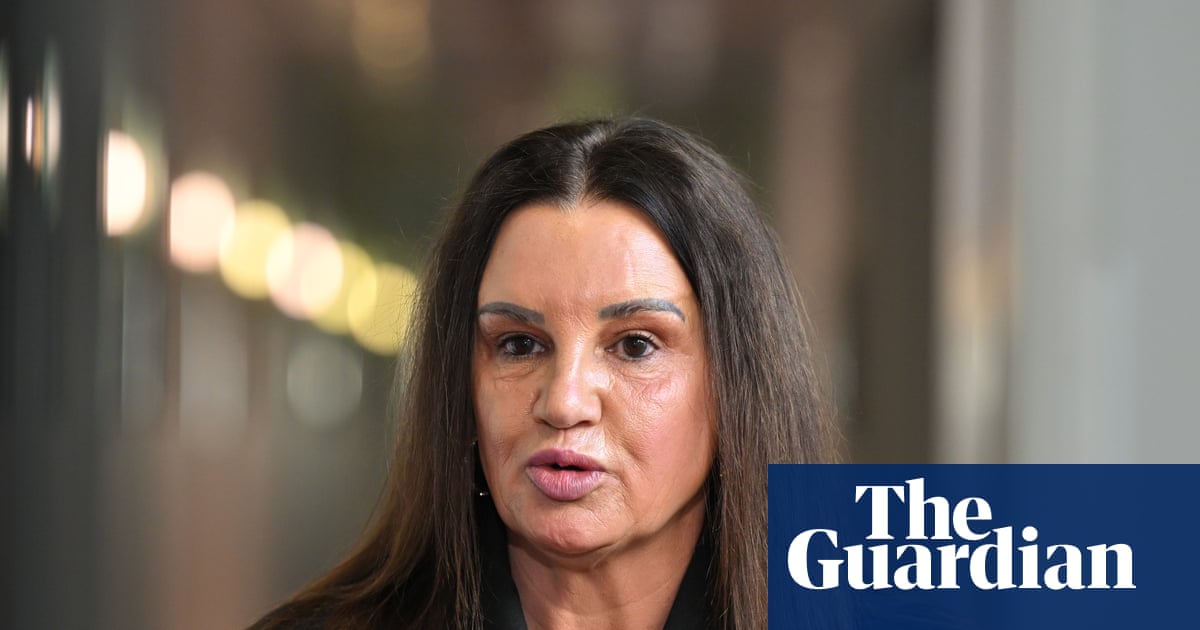
A political dispute has emerged in Australia after an independent senator condemned a cartoon published by Pauline Hanson’s One Nation media outlet. The illustration, part of the Please Explain series, targeted Senator Jacqui Lambie for her previous parliamentary remarks regarding her personal health struggles with vaginal prolapse. The depiction included crude sound effects and dialogue ridiculing the condition, which Lambie had discussed openly in August to highlight the lack of healthcare access faced by female veterans.
Lambie responded to the publication on Monday, expressing frustration that such content persists during a period of significant economic hardship for many voters. She argued that decent leaders should not engage in behavior that stirs up hatred or pushes society toward anarchy. Lambie stated that if those involved had any sense of propriety, they would have requested the immediate removal of the material. She emphasized that treating women’s reproductive health issues as a source of mockery is unacceptable and called for an end to such nastiness.
The incident has drawn support from fellow crossbencher Monique Ryan, who also serves as an independent senator. Ryan condemned the cartoon on Sunday, praising Lambie for demonstrating courage and honesty in sharing her experience. Ryan noted that pelvic organ prolapse, which can involve the bladder or vagina, affects approximately one in twelve Australian women. The condition is often linked to physical strain, heavy lifting, or past childbirth, and it can be both uncomfortable and debilitating.
Ryan highlighted that Lambie’s decision to discuss an awkward subject in parliament was intended to make it easier for other affected women to seek help. She contrasted this constructive approach with Hanson’s decision to mock the situation, stating that one Jacqui Lambie is worth a thousand Pauline Hansons. This endorsement underscores the solidarity among independent senators who often find themselves at odds with major political parties and populist movements.
The cartoon also served as a vehicle for criticizing Liberal MP Andrew Hastie, portraying him as a traitor despite his veteran status. The illustration depicted Hastie claiming that his military service should exempt him from criticism. This narrative aligns with One Nation’s ongoing attacks against Hastie, who testified during the defamation trial of Ben Roberts-Smith, a Victoria Cross recipient charged with five alleged murders involving unarmed detainees in Afghanistan between 2009 and 2012.
Hastie, a former special forces soldier who served with the elite SAS regiment in Afghanistan, has faced significant backlash from One Nation for his testimony. The party views his actions as a betrayal of fellow veterans, while others see his cooperation with legal proceedings as a fulfillment of civic duty. This subplot within the cartoon reflects broader tensions regarding accountability and loyalty within Australia’s military community.
The controversy arises against the backdrop of the Albanese government’s Digital Duty of Care legislation, which aims to improve online safety. The Please Explain series used the cartoon to critique this regulatory framework, suggesting that such laws might stifle free expression or target political dissent. However, critics argue that the legislation is necessary to combat harmful content and protect vulnerable individuals from online abuse.
As the debate continues, it highlights the complex intersection of health advocacy, veteran welfare, and media ethics in Australian politics. The strong reaction from independent senators suggests that mocking serious health conditions may have political consequences. It also raises questions about the role of satire in public discourse and where the line should be drawn between criticism and harassment.
Moving forward, the incident is likely to influence discussions around online content regulation and the treatment of veterans’ issues in parliament. Lambie’s stance reinforces her commitment to advocating for women’s health and veteran rights, while Ryan’s support strengthens the independent bloc’s position on these matters. The response from One Nation remains to be seen, but the controversy has already sparked significant public interest and debate.
This episode serves as a reminder of the challenges faced by politicians who speak out on sensitive personal issues. It also underscores the importance of respectful dialogue in addressing complex social problems. As Australia navigates these political and social currents, the actions of its leaders will continue to shape public opinion and policy outcomes.
Sources behind this briefing
Go to the original reporting
- The Guardian World↗Jacqui Lambie condemns One Nation cartoon mocking her struggle with vaginal prolapse