The short version
- Australian Federal Police Commissioner Krissy Barrett states there is a direct correlation between inflammatory political rhetoric and the volume of threats received by federal politicians.
- The warning follows the serious injury of independent MP Helen Haines, who suffered double leg amputations after an alleged attack outside her office in Wangaratta.
- While male and female lawmakers receive equal volumes of abuse, women are disproportionately targeted with individual threats involving sexual violence, according to police data.
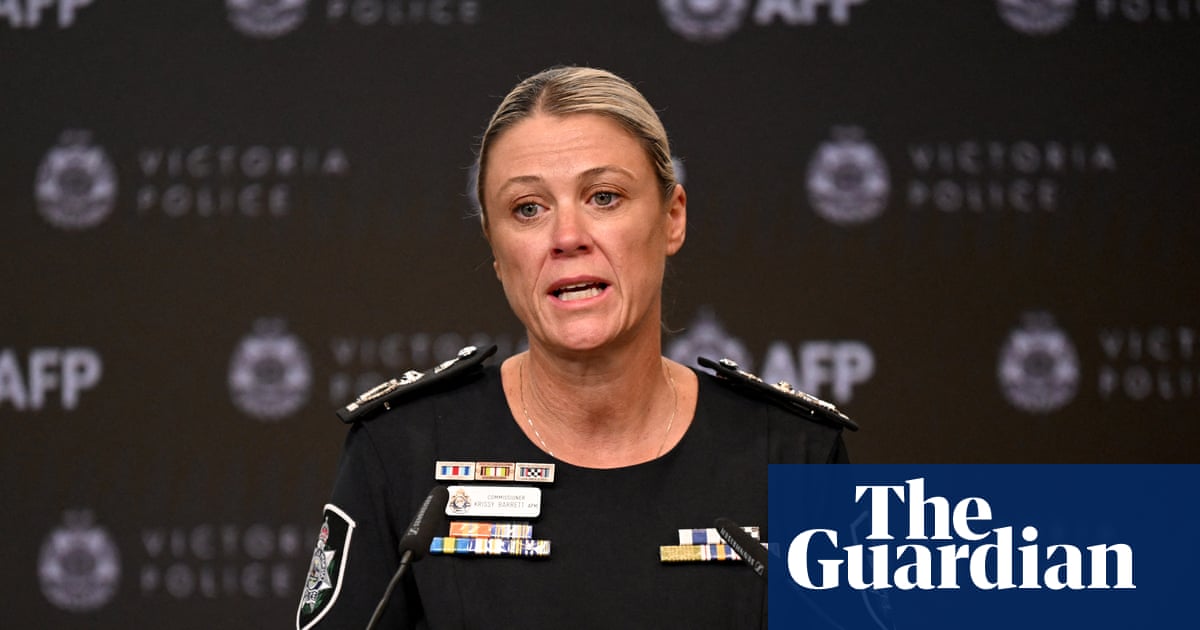
The safety landscape for Australian elected officials has shifted dramatically, according to the nation’s top federal law enforcement officer. Commissioner Krissy Barrett of the Australian Federal Police has drawn a direct line between the tone of contemporary political debate and the escalating volume of threats directed at leaders. This assessment comes in the wake of a violent incident involving independent member of parliament Helen Haines, who was allegedly attacked outside her electoral office in Wangaratta. Haines remains in serious but stable condition at Melbourne’s Alfred Hospital after requiring double leg amputations.
Barrett described a significant change in the threat environment facing politicians at all levels of government. She noted that daily reports summarizing threats received by the AFP over the previous twenty-four hours have grown increasingly lengthy and concerning. While the commissioner emphasized that her agency is not interested in policing free speech or intervening in legitimate political discourse, she challenged the notion that the abuse reported to federal parliamentarians falls within those boundaries. The material often crosses into severe intimidation rather than protected expression.
The nature of these threats has evolved alongside digital communication platforms. Barrett highlighted a transition from physical hate mail to online harassment, which has contributed to the rising volume of worrying material. She observed that periods of intense political conflict or discourse correlate directly with spikes in abuse and threats, sometimes appearing almost immediately after inflammatory statements are made. This immediacy suggests a reactive dynamic where public rhetoric can rapidly translate into targeted hostility against specific individuals.
Visual media has also played a role in this deteriorating climate. Past cartoons from the One Nation party, which depicted political figures including Prime Minister Anthony Albanese being struck by vehicles, have resurfaced in recent days following the attack on Haines. Barrett indicated that such imagery provokes a reaction within the community, contributing to the overall atmosphere of hostility. The AFP has responded by holding emergency safety briefings with parliamentarians since Monday, aiming to address the heightened risks associated with their public roles.
Gender dynamics remain a critical component of the threat profile. While Barrett stated that male and female MPs are targeted equally in terms of the total volume of threats and abuse, women face distinct dangers. Female politicians are more frequently singled out for individual attacks, which often include explicit threats of sexual violence. This disparity underscores the specific vulnerabilities faced by women in public office, adding a layer of complexity to security protocols that must account for both general political animosity and gender-based intimidation.
The incident involving Haines has forced a broader conversation about the balance between democratic access and personal safety. Federal MPs from across the political spectrum have acknowledged the difficulty of maintaining open engagement with constituents while managing increasing security risks. Liberal frontbencher Ted O’Brien emphasized that open access to voters is a cornerstone of Australian democracy, noting that grassroots politics should not be abandoned despite the dangers. He argued that stopping community events would undermine the fundamental connection between representatives and the people they serve.
Labor minister Catherine King offered a perspective shaped by years of dealing with deteriorating safety conditions. She stated that for approximately five years, colleagues have operated under the assumption that an attack was inevitable, focusing on when rather than if such an event would occur. King shared personal changes to her routine, including abandoning the use of a mobile caravan she had relied on for twenty-five years. The vehicle lacked a second exit point, creating a potential trap in the event of an assault, illustrating how security concerns are reshaping daily operational habits.
Barrett expressed hope that the severity of Haines’ injuries would prompt reflection across the country regarding the impact of political discourse. She questioned whether this incident serves as a definitive marker of the current climate, suggesting it may be the catalyst needed to address the underlying issues. The AFP continues to monitor the situation closely, balancing its duty to protect federal office-holders with the broader societal implications of political polarization. As the investigation into Haines’ attack proceeds, the focus remains on understanding how rhetoric translates into real-world violence.
The coming weeks will likely see continued adjustments in security measures for politicians nationwide. The emergency briefings held by the AFP signal an institutional recognition that previous protocols may be insufficient for the current threat level. Lawmakers must navigate a complex environment where public engagement is both a professional obligation and a potential liability. The incident in Wangaratta has highlighted the urgent need to reconcile democratic openness with the physical safety of those who serve in government, a challenge that extends beyond individual cases to the health of the political system itself.
Sources behind this briefing
Go to the original reporting
- The Guardian World↗AFP boss says politicians’ heated rhetoric is fuelling threats against MPs