The short version
- Police disarmed several live World War II-era grenades discovered by a buyer sorting through estate sale purchases in Austin, Texas.
- The incident required a neighborhood lockdown and specialized explosive ordnance disposal techniques due to the age and unknown stability of the devices.
- Authorities emphasized that no crime was committed but warned residents never to handle suspected military ordnance, regardless of its apparent condition.
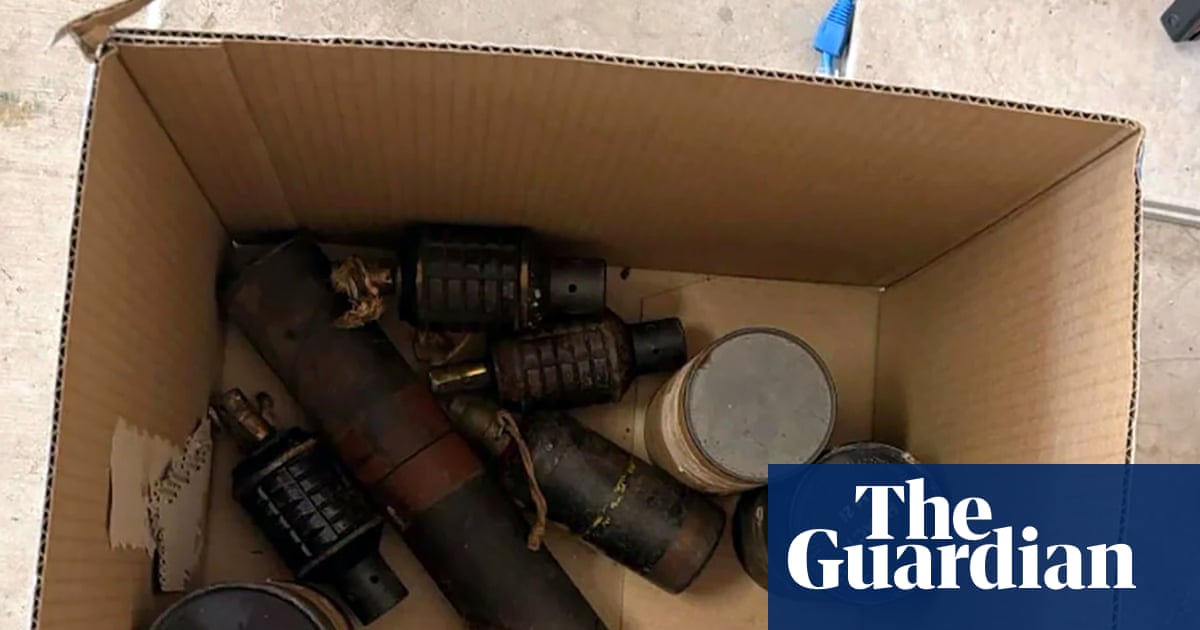
A routine estate sale in Austin, Texas, escalated into a significant public safety operation on Monday when a buyer discovered live grenades among purchased items. The find prompted the Austin Police Department to deploy its bomb squad and implement a temporary lockdown of the surrounding neighborhood. While the situation was resolved without injury or property damage, the incident underscored the latent dangers posed by decades-old military equipment that may still be in circulation.
The buyer reportedly made the discovery while sorting through several boxes of newly acquired goods at home. Upon realizing the nature of the contents, the individual contacted authorities. Patrol officers arrived quickly to secure the scene and establish a perimeter, ensuring that neighbors remained safe while waiting for specialized support. The Austin Police Association noted that the response was swift and professional, preventing any potential escalation.
Specialists from the explosive ordnance disposal unit examined the devices using X-ray technology. They determined that the grenades were indeed live and active, rather than inert training models or historical replicas. Despite their volatile nature, technicians concluded that the items did not pose an immediate threat under the specific circumstances of their storage and handling. The team successfully removed and disarmed the explosives, neutralizing the risk to the community.
Local news outlets identified at least three of the olive-colored devices as Mk 2 anti-personnel fragmentation grenades. These weapons were widely used by United States forces during World War II and remained in limited service with the Army and Marine Corps until the 1960s. Their distinctive textured casing earned them the nickname 'pineapple' grenades. The age of these particular items suggests they are approximately eighty years old, placing them well within the timeframe of significant material degradation.
Handling explosives of this vintage presents unique challenges for bomb technicians. Over time, the chemical composition of the explosive fill can change, and fuses may become more sensitive or unpredictable. The Austin Police Association highlighted that dealing with such unstable materials requires precise work and steady nerves, skills that are rarely visible to the general public. The successful disarmament relied on the specialized training and expertise of the EOD team.
Authorities clarified that no criminal charges were filed in connection with the discovery. The police association stated explicitly that there was 'no crime here,' framing the event instead as a cautionary tale for residents. They issued a strong reminder to the public: if anyone encounters old military ordnance, including grenades, shells, or mortar rounds, they should not touch it, move it, or attempt to inspect it further.
The recommended protocol in such situations is to leave the item exactly where it was found and call 911 immediately. This advice applies even if the object appears inert or harmless. The unpredictability of aged explosives means that visual inspection alone cannot guarantee safety. By adhering to these guidelines, citizens can help prevent accidents and allow professionals to manage the hazard effectively.
This incident in Texas echoes broader concerns about unexploded ordnance found in various parts of the world. Recent reports from the United Kingdom highlighted similar dangers when large German bombs were discovered in Devon, one on a dredger and another at a construction site. Experts warned that such devices could cause significant structural damage if detonated. These cases illustrate that the legacy of past conflicts continues to pose risks to modern communities.
The resolution of the Austin incident serves as a reminder of the importance of public awareness regarding historical artifacts. While collecting military memorabilia is a common hobby, it carries inherent risks when items are misidentified or improperly stored. The cooperation between the buyer, patrol officers, and bomb technicians ensured a safe outcome, but the potential for disaster was real.
As communities continue to grapple with the remnants of twentieth-century warfare, education remains a critical tool. Residents are encouraged to remain vigilant and report any suspicious items to law enforcement. The swift and effective response in Austin demonstrates the capability of local agencies to handle such emergencies, but prevention through public caution is the first line of defense against accidental detonations.
Sources behind this briefing
Go to the original reporting
- The Guardian US↗Texas resident discovers second world war-era grenades in box bought at estate sale