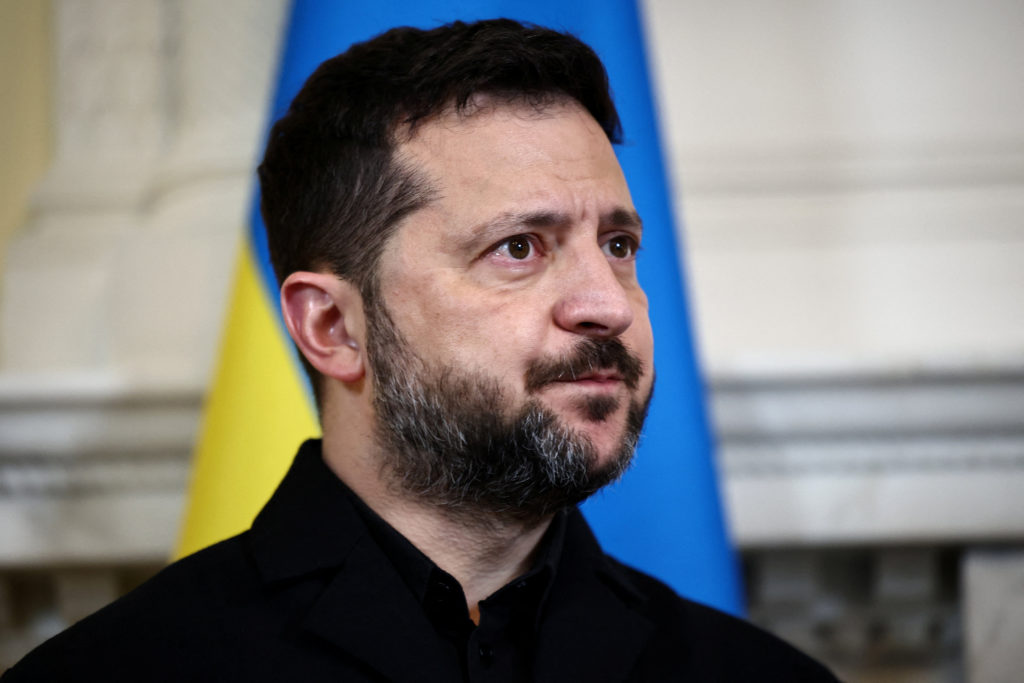
The short version
- Ukrainian drones struck a refinery in Russia's Ryazan region, marking a return to offensive operations against Russian energy targets after a brief pause.
- President Zelenskyy expressed frustration over restricted access to Western intelligence and Starlink terminals, describing the U.S. stance as inconsistent with partnership expectations.
- European leaders reaffirmed their commitment to supporting Ukraine while distancing themselves from the Trump administration's approach to the conflict.
Ukrainian forces have resumed drone attacks on Russian oil refineries, signaling a significant shift in military strategy amid deteriorating diplomatic relations with Washington. Early Thursday, drones targeted a facility in Russia’s Ryazan region, located approximately 300 kilometers southeast of Moscow. The strike ignited a fire at the site, an event confirmed by both Russian officials and a senior Ukrainian government representative who spoke on condition of anonymity. This action follows President Volodymyr Zelenskyy’s announcement that a previously observed truce had ended due to escalating tensions with the United States.
The decision to restart strikes comes after a period of uncertainty regarding ceasefire compliance. While Kyiv stated it was adhering to demands for a halt in attacks on energy infrastructure, Kremlin spokesman Dmitry Peskov argued that Ukraine had never ceased its operations against Russian refineries. Independent verification of these conflicting claims remains unavailable. The renewed aggression has drawn sharp criticism from Moscow, with Foreign Minister Sergey Lavrov characterizing the strikes as a direct challenge to U.S. President Donald Trump’s diplomatic efforts.
At the heart of the dispute is Zelenskyy’s growing dissatisfaction with the level of support provided by the United States. The Ukrainian president reported that his country was denied routine Western intelligence regarding incoming Russian ballistic missile threats. Additionally, restrictions were placed on the use of U.S.-made Starlink communication terminals, which are critical for coordinating defense and attack operations. These limitations have hampered Ukraine’s ability to protect its population and conduct military activities effectively.
Zelenskyy described the situation as a betrayal, noting that the U.S. behavior diverged from what he expected from a strategic partner. In interviews with international media outlets, he expressed pain over President Trump’s perceived alignment with Russian interests, particularly following an agreement to import Russian diesel. This deal contradicts broader international efforts to sanction Russia for its invasion of Ukraine, which began more than four and a half years ago. Zelenskyy emphasized that such actions undermine the goal of isolating Moscow diplomatically.
The technical constraints imposed on Starlink usage have had tangible impacts on battlefield operations. Elon Musk, through his social media platform X, clarified that the military version of the service, known as Starshield, is under the control of the U.S. military and the Trump administration. Ukrainian officials stated that reduced speeds and access limits choked their defensive capabilities. The absence of timely intelligence further exposed Ukrainian cities to Russian aerial bombardment, raising concerns about civilian safety and national resilience.
Despite these challenges, Zelenskyy maintained that Ukraine remains committed to its sovereignty and survival. He acknowledged the difficulty of navigating a complex geopolitical landscape where U.S. policy appears to favor neutrality or engagement with Russia rather than unequivocal support for Kyiv. Nevertheless, he stressed the importance of maintaining strong ties with other allies, particularly in Europe, as the United States’ role becomes increasingly ambiguous.
In response to the shifting dynamics, Zelenskyy traveled to Brussels for talks with European Union leaders. During this visit, he sought to reinforce alliances and secure additional commitments from European partners. Kaja Kallas, the EU’s foreign policy chief, affirmed that Europe maintains a distinct approach to the war, focusing on pressuring the aggressor rather than compelling the victim to surrender. She emphasized that squeezing Ukraine is not a viable strategy and reiterated the bloc’s solidarity with Kyiv.
Meanwhile, the human cost of the conflict continues to mount. A prolonged Russian drone attack on central Ukraine’s Kirovohrad region resulted in three deaths and six injuries, according to emergency services. The incident underscores the ongoing vulnerability of Ukrainian infrastructure and civilians despite diplomatic maneuvers. As Zelenskyy engages with European leaders, the question of long-term support and strategic alignment remains critical for Ukraine’s future.
The resumption of strikes on Russian refineries marks a pivotal moment in the war, reflecting both military necessity and political frustration. With U.S. involvement becoming less predictable, Ukraine is likely to rely more heavily on European partnerships and its own resources. The coming weeks will test the durability of these alliances and the effectiveness of alternative strategies in countering Russian aggression.
As diplomatic channels strain under the weight of conflicting interests, the battlefield realities persist. The fire at the Ryazan refinery serves as a stark reminder of the conflict’s intensity and the high stakes involved. For Kyiv, balancing military action with diplomatic outreach is essential to sustaining its position against a formidable adversary while navigating an uncertain international landscape.
Sources behind this briefing
Go to the original reporting
- PBS NewsHour↗Ukraine resumes attacks on Russian oil refineries as relations with Trump sour