The short version
- The polar vortex is showing signs of disruption weeks earlier than any reliable record since 1958 suggests should occur.
- This early collapse coincides with a strong El Niño event, creating conflicting signals for global temperature forecasts.
- Experts warn that while historical data offers context, the interaction between these two powerful forces remains difficult to predict.
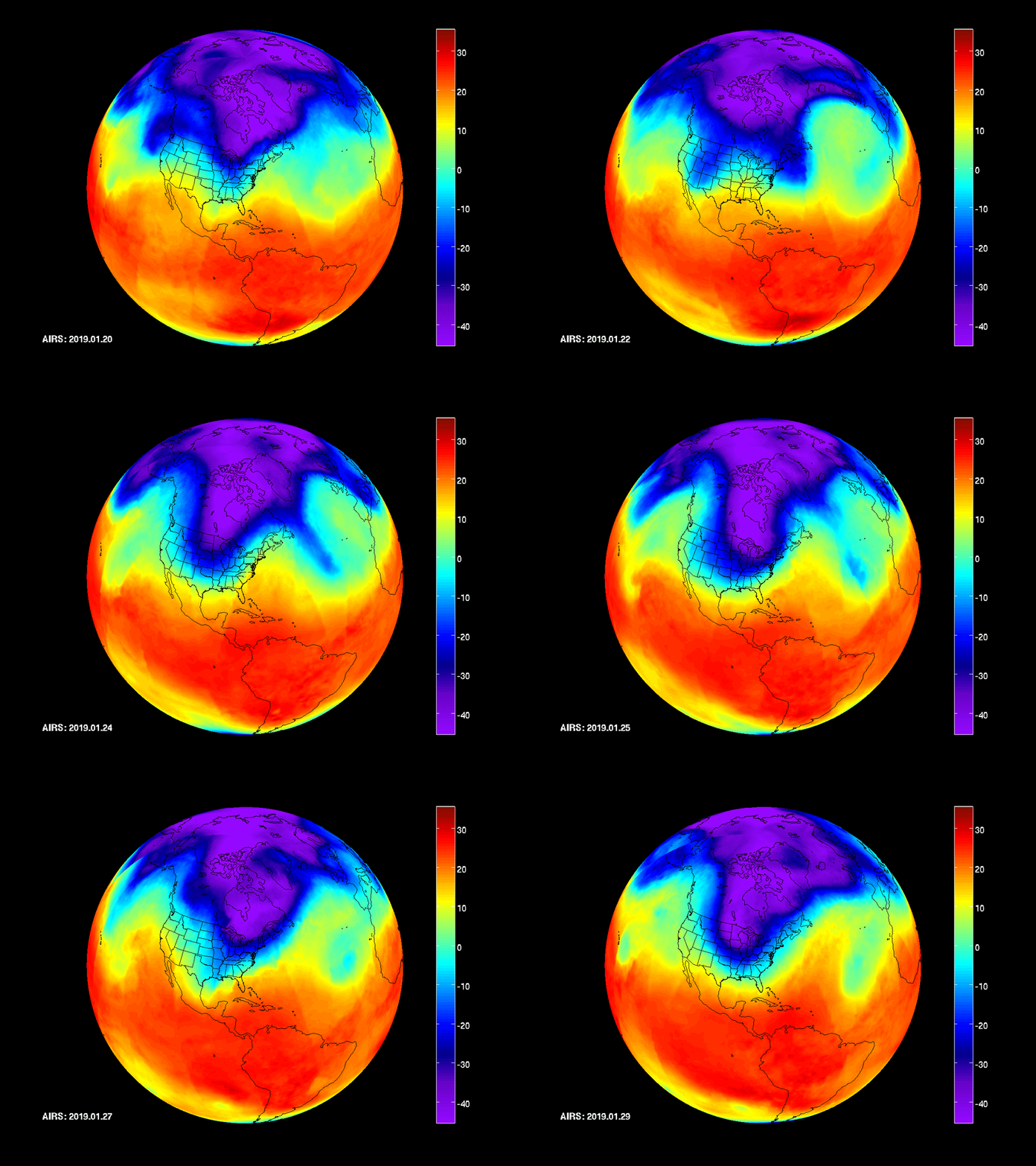
A significant atmospheric shift is underway in the upper layers of the Earth’s atmosphere above the Arctic region. The polar vortex, a massive ring of westerly winds located roughly ten to thirty miles above the surface, is exhibiting signs of collapse far earlier in the seasonal cycle than previously documented. This structure typically functions as a barrier that keeps the coldest air masses confined near the North Pole, reaching its maximum strength during the winter months of December and January before gradually weakening.
Current meteorological models indicate that this vortex could fully disintegrate within the coming week. Such an early disruption is highly unusual. Reliable observational records dating back to 1958 show only two other instances of sudden stratospheric warming occurring in November. The previous earliest recorded disturbance took place on November 28, 1968. This year’s event marks a departure from historical norms, prompting intense scrutiny within the scientific community.
The mechanism behind this collapse involves sudden stratospheric warming, a phenomenon where temperatures in the stratosphere spike dramatically over a short period. The stratosphere sits above the troposphere, extending from approximately six miles to thirty-one miles above the ground and containing the ozone layer. When these temperature spikes occur, they can weaken or reverse the west-to-east winds that define the polar vortex. In severe cases, the vortex splits apart, allowing cold air previously trapped in the stratosphere to escape southward.
The implications of such an event are substantial, though not immediately deterministic for ground-level weather. A notable example occurred in 2021 when a similar disruption pushed extreme cold into Texas, resulting in the Great Texas Freeze. That event caused more than two hundred deaths and left millions without power due to grid strain. However, meteorologists caution that this year’s situation does not guarantee a repeat of such severe outcomes, as multiple variables are at play.
Complicating the forecast is the presence of a powerful El Niño climate pattern. This naturally occurring phenomenon involves warmer-than-average surface water temperatures in the Pacific Ocean and weakened trade winds, which generally influence global weather systems. Typically, an El Niño year correlates with milder winters across North America. The interaction between the cooling potential of a disrupted polar vortex and the warming influence of El Niño creates a complex meteorological puzzle.
Experts note that while El Niño is expected to remain the primary driver of winter weather due to its intensity, the polar vortex split could introduce cooler temperatures into certain regions. Northern Europe may face chillier conditions in the coming weeks, according to some analyses. Conversely, forecasts for the Northeast and northern Midwest of the United States still predict a very warm winter, suggesting that the El Niño effect may dominate in those specific areas.
The scientific community is grappling with the difficulty of predicting outcomes when multiple exceptional atmospheric events coincide. Researchers emphasize that even without the backdrop of long-term climate change, simultaneous extreme events are hard to interpret. The addition of a rapidly warming global climate makes these predictions even more challenging, as baseline conditions shift and historical analogs become less reliable.
Meteorologists continue to monitor wind patterns and temperature data closely for further clues. The focus is on understanding how the collapsing vortex will interact with other weather systems and whether additional disruptions might occur later in the winter season. Until more data becomes available, forecasts remain subject to change, reflecting the inherent uncertainty of atmospheric dynamics during this unusual period.
This event underscores the complexity of modern climate science, where traditional seasonal expectations are being tested by unprecedented combinations of atmospheric phenomena. While the immediate impact on daily weather remains uncertain, the early collapse of the polar vortex serves as a notable marker in the ongoing record of Arctic atmospheric behavior.
Sources behind this briefing
Go to the original reporting
- Smithsonian Magazine↗The Arctic Polar Vortex Is Collapsing Earlier in the Season Than Ever Documented—but We Don't Know How It'll Affect Global Weather