The short version
- The California Court of Appeal has denied Danny Masterson’s bid to overturn his 2023 rape convictions, maintaining his thirty-year prison term.
- Judges found no evidence that the presiding trial judge exhibited animus toward Scientology or violated First Amendment protections by admitting expert testimony on church practices.
- Masterson’s legal team has indicated plans to seek review from the California Supreme Court, continuing a defense strategy centered on procedural fairness and religious neutrality.
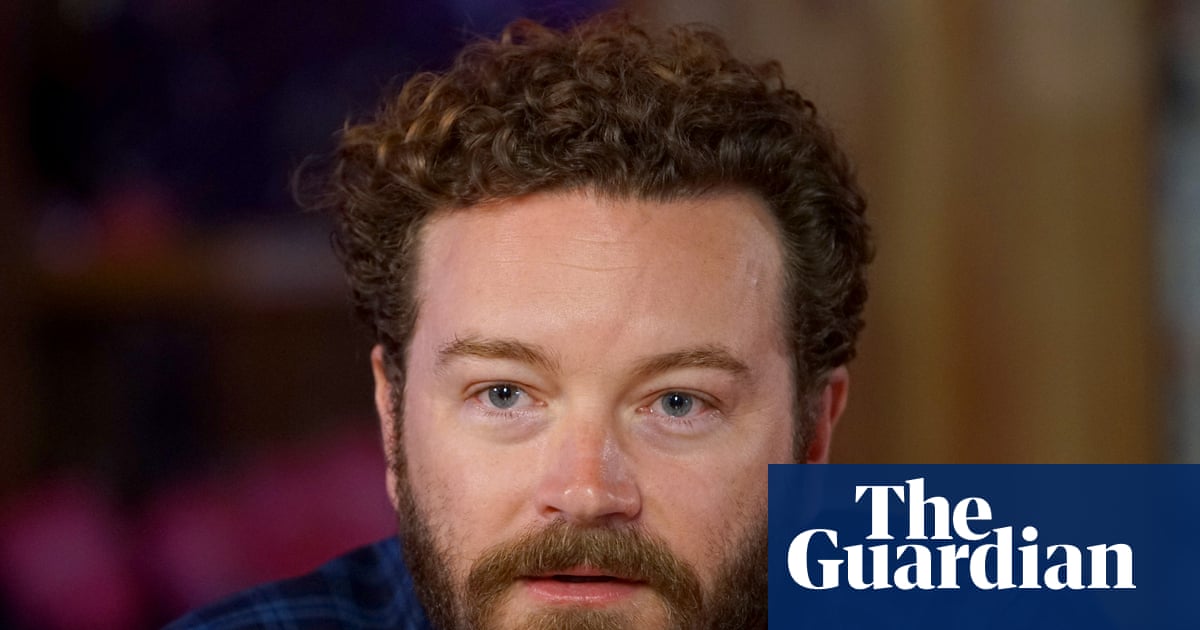
A three-judge panel of the California Court of Appeal has rejected Danny Masterson’s attempt to overturn his rape convictions, effectively upholding the thirty-year prison sentence imposed in 2023. The ruling, filed late last week, addresses multiple legal challenges raised by the actor’s defense team, including claims that the trial judge displayed bias against the Church of Scientology and that key evidentiary decisions compromised the fairness of the proceedings. By dismissing these arguments, the appellate court reinforces the original verdict in which Masterson was found guilty of two counts of rape involving two women who were members of the church at the time of the alleged assaults in 2003.
Central to the appeal was the contention that Los Angeles Superior Court Judge Charlaine F. Olmedo allowed improper evidence regarding Scientology doctrine, thereby violating the First Amendment. Masterson’s lawyers argued that the court intruded into religious interpretation by permitting testimony from a former Scientologist, Claire Headley, who served as an expert witness on church beliefs and practices. The defense maintained that this testimony unfairly prejudiced the jury against Masterson, a prominent member of the organization, and suggested that the judge held a negative view of the religion.
The appellate panel thoroughly examined the record and concluded that Judge Olmedo’s conduct during the trial demonstrated neutrality rather than hostility toward Scientology. In an eighty-nine-page decision, the judges stated that there was no indication of animus or departure from impartiality regarding the church. They emphasized that the admission of evidence related to Scientology practices was necessary for the jury to understand the context of the plaintiffs’ actions and delays in reporting the crimes, rather than to adjudicate the truth or falsity of religious doctrines.
Prosecutors in the original trial argued that Masterson leveraged his status within the church to evade accountability. They presented evidence suggesting that the victims delayed seeking legal recourse due to fear of retaliation and adherence to church norms that discouraged interaction with law enforcement. Two accusers testified that when they reported the incidents to Scientology officials, they were subjected to ethics programs described as interrogations and were warned against contacting police. One woman stated she faced ostracism after pursuing legal action.
Expert testimony from Headley clarified that Scientology considers going to law enforcement a suppressive act subject to sanctions, including excommunication. The appellate court determined that this information was relevant to explaining the victims’ behavior and did not constitute an unconstitutional endorsement or condemnation of religious belief. The panel noted that the jury’s task was to evaluate the credibility of witnesses and the facts of the case, not to rule on theological matters.
In addition to the claims regarding judicial bias and First Amendment violations, Masterson’s appeal challenged several evidentiary rulings and argued that he did not receive adequate defense representation. The court also addressed arguments concerning the statute of limitations. All these points were rejected by the appellate panel, which found no reversible error in the trial proceedings. The decision underscores the judiciary’s stance that religious affiliation does not shield individuals from criminal prosecution when credible evidence supports charges.
The Church of Scientology has consistently denied the allegations made against Masterson and criticized the portrayal of its practices during the trial. Following the initial conviction, the organization issued a statement asserting that testimony regarding church beliefs was uniformly false and maintained that it has no policy prohibiting members from reporting criminal conduct to authorities. This stance contrasts sharply with the accounts provided by the victims, who described institutional pressure to remain silent.
Masterson’s legal representatives, Cliff Gardner and Eric Multhaup, characterized the appellate decision as unfortunate but indicated that the fight is not over. They announced plans to petition the California Supreme Court for further review. The actor has maintained throughout the legal process that all sexual encounters with the three plaintiffs were consensual. A third charge related to an alleged assault in 2001 was previously quashed, leaving the two convictions from the 2003 incidents as the basis for his current incarceration.
The case continues to draw attention to the intersection of religious institutions and criminal justice, particularly regarding how internal church dynamics may influence victim reporting. While the appellate court has closed this chapter of the legal battle, the potential for further review at the state’s highest court keeps the issue in the public eye. The ruling sets a precedent that expert testimony on religious practices can be admissible when it helps explain witness behavior without infringing on constitutional protections.
Support resources for survivors of sexual violence remain available through various organizations. In the United States, RAINN provides assistance via telephone and online platforms. International support networks also exist in countries such as the United Kingdom and Australia, offering counseling and advocacy services. The legal resolution of Masterson’s appeal does not diminish the ongoing need for accessible support systems for those affected by sexual abuse.
Sources behind this briefing
Go to the original reporting
- The Guardian US↗Danny Masterson loses appeal against rape conviction after arguing judge was biased against Scientology