The short version
- Angel Reese scored 22 points as the Atlanta Dream defeated the New York Liberty to reach the WNBA finals for the first time since 2013.
- Reese’s offensive improvements, including three-point shooting, reflect a deliberate coaching strategy to expand her role beyond rebounding.
- The victory concludes a playoff run that has shifted narratives surrounding Reese from criticism of her limitations to recognition of her leadership.
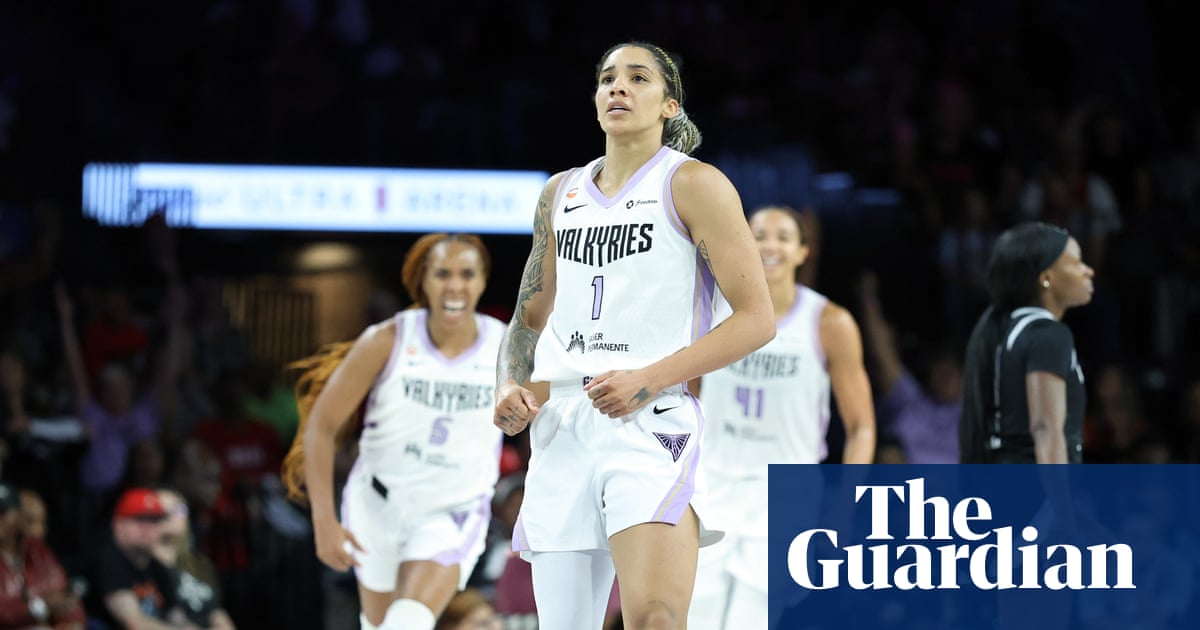
Angel Reese delivered a decisive performance on Friday night in Brooklyn, scoring a team-high 22 points to guide the Atlanta Dream past the New York Liberty. The 85-83 victory completed a three-game sweep of the defending champions, securing the Dream’s spot in the WNBA finals for the first time since 2013. Reese contributed 18 points before halftime, including two successful three-point attempts, demonstrating an offensive versatility that has been central to her development this season.
The result marks a significant milestone in a career that has been subject to intense public scrutiny. For several years, Reese faced widespread criticism regarding her finishing around the basket and her shooting mechanics. Critics often highlighted her missed layups and awkward footwork, framing her as a one-dimensional player whose rebounding prowess did not compensate for her offensive limitations. This season’s success challenges those long-standing assessments.
Reese has acknowledged the pressure she faced, noting that she anticipated this moment upon joining Atlanta. She revealed that exactly one year prior, while watching the championship series from home, she publicly predicted her team would reach the finals. Her comments suggest a mindset focused on positive affirmation and gratitude, attributing her presence in the playoffs to both personal manifestation and divine support.
The transformation in Reese’s game is largely credited to head coach Karl Smesko, who implemented rigorous adjustments to her offensive routine. Smesko insisted on precision during shooting drills, refusing to allow Reese to proceed until she made required shots, even if it meant delaying practice for teammates. This approach was designed to address her impatience and improve her consistency, with the understanding that the changes would feel unnatural initially but yield results over time.
Reese admitted that the process was difficult, particularly when frustration mounted during demanding exercises. However, the discipline has paid off, allowing her to contribute more effectively in high-stakes games. Her ability to hit three-pointers and score efficiently in half-court settings has expanded her value beyond her traditional role as a rebounder and defensive anchor.
The narrative surrounding Reese has often been intertwined with comparisons to other high-profile players, particularly Caitlin Clark. Their rivalry was frequently amplified by media coverage and cultural commentary, sometimes reducing their achievements to proxy battles rather than evaluating their individual merits. Reese reaching the finals before her contemporary represents a shift in that dynamic, though she has emphasized that basketball success is not a zero-sum competition.
Beyond the court, Reese highlighted the importance of her support system, particularly her mother, Angel Webb Reese. She described her mother as a constant source of stability during difficult periods, offering unconditional love and presence without demanding much in return. This personal foundation has helped Reese navigate the intense public attention and criticism that accompanied her rise to prominence.
The Dream’s locker room culture also played a role in Reese’s development. She noted the team’s strong spiritual component, with many players participating in chapel services and maintaining a close-knit environment. This sense of community has provided a stable backdrop for her growth, allowing her to focus on improving her game while feeling supported by her peers.
As the Dream prepares for the finals, Reese’s evolution from a specialized role player to a central figure in a championship contender is evident. Her ability to adapt to coaching demands and overcome public skepticism underscores the resilience required at this level of professional sports. The upcoming series will test whether these improvements can sustain against elite competition.
The victory in Brooklyn was not just a tactical win but a symbolic one for Reese and the franchise. It validated the strategic decisions made during the offseason, including the trade that brought her to Atlanta. As the team looks ahead, the focus will shift to maintaining this momentum and addressing any remaining vulnerabilities in preparation for the final round of play.
Sources behind this briefing
Go to the original reporting
- The Guardian US↗‘I’m supposed to be here’: Angel Reese’s road from ridicule to the WNBA finals