The short version
- Police detained hundreds of protesters in New Delhi while suspending mobile internet and closing metro stations ahead of a rally organized by the Cockroach Janta party.
- Demonstrators are demanding the resignation of Chief Election Commissioner Gyanesh Kumar, alleging that recent voter list revisions favor the ruling Bharatiya Janata Party.
- The government denies electoral manipulation claims, attributing its political strength to economic performance and public support, while opposition groups cite systemic bias.
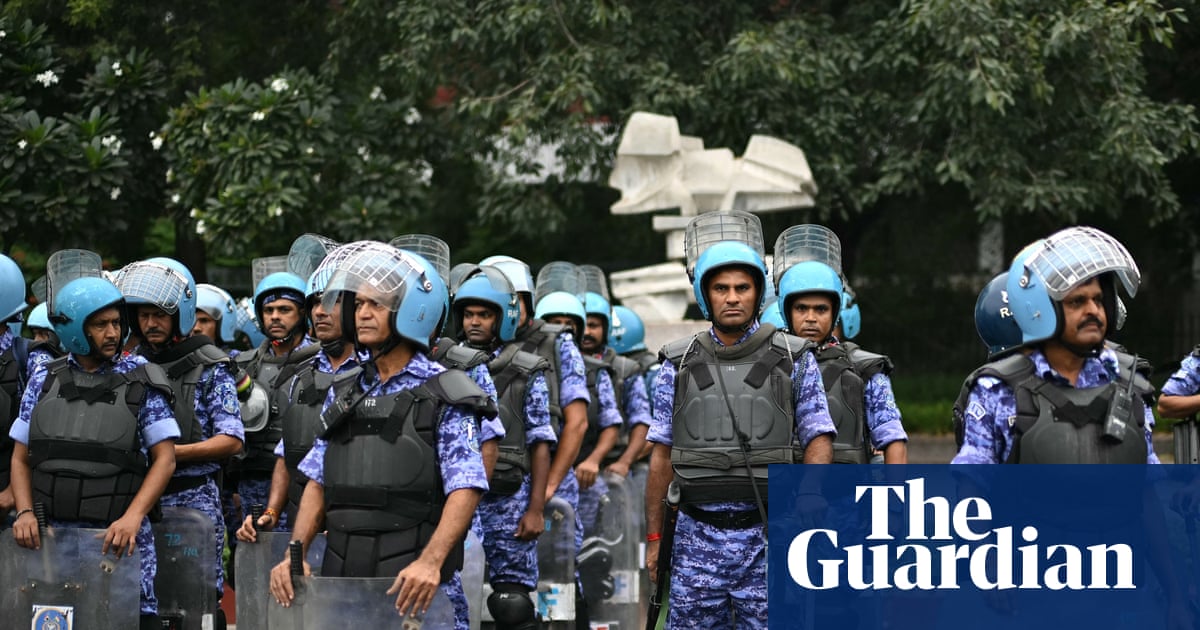
Security forces in New Delhi enacted severe restrictions on Saturday as thousands of police officers and paramilitary units patrolled the capital to prevent a large-scale demonstration. Authorities suspended mobile internet services within a four-kilometer radius of the central business district and closed numerous metro stations, citing public order concerns. These measures were implemented ahead of a rally organized by the Cockroach Janta party, a youth movement that has gained traction through online satire and street activism.
The protest centers on demands for the resignation of Gyanesh Kumar, India’s chief election commissioner. Critics argue that recent revisions to voter lists, which removed approximately 130 million names, disproportionately benefit Prime Minister Narendra Modi’s Bharatiya Janata Party. The controversy intensified after reports emerged that Kumar’s deputies had raised objections regarding the revision process, suggesting internal disagreement within the election commission.
Law enforcement agencies detained scores of individuals during the day, with police sources indicating that around 200 people were held in the central district alone. Among those arrested outside Delhi was Dhruv Rathee, a prominent YouTube content creator known for his political commentary. The Cockroach Janta party claims that at least 10,000 supporters have been detained nationwide, including some taken to hotels in Madhya Pradesh, though police have not confirmed these broader allegations.
Delhi police stated they did not grant permission for the gathering because the application was submitted late and previous undertakings by the organizers had been violated. Officials emphasized their duty to maintain peace and warned that violators would face legal consequences. In response, Abhijeet Dipke, the chief of the Cockroach Janta party, criticized the government’s actions on social media, arguing that shutting down the capital inconveniences millions while suppressing peaceful dissent at a designated protest site.
The Indian Supreme Court intervened briefly, ruling against a blanket closure of metro stations and ordering that some trains continue to operate. Despite this judicial check, heavy security presence remained, with yellow metal barricades blocking roads leading to Jantar Mantar, the traditional location for demonstrations in New Delhi. The tension reflects a broader political challenge facing the Modi administration as opposition groups organize near-daily protests.
This unrest occurs months before critical state elections beginning in early 2027, including contests in Uttar Pradesh, India’s most populous state. The ruling BJP has dismissed allegations of electoral manipulation, asserting that its dominance stems from strong economic growth and widespread popularity rather than administrative interference. Party representatives have accused opposition groups of misleading the public due to their inability to win elections through legitimate means.
The current wave of protests follows a period of heightened political activity, including recent demonstrations that led to the resignation of the education minister over exam paper leaks. The Cockroach Janta party, which originated as an online satire movement, has successfully mobilized young Indians who express frustration with perceived democratic backsliding. Their ability to draw large crowds despite strict security measures underscores growing discontent among younger demographics.
As the situation develops, observers note that the dispute over voter lists highlights deeper concerns about electoral integrity in India. While the election commission and BJP maintain that processes are fair and transparent, critics point to the scale of name removals as evidence of potential bias. The coming weeks will likely see continued tension between authorities seeking to control public gatherings and activists determined to voice their grievances.
The suspension of internet services and mass detentions raise questions about civil liberties in the context of political dissent. While security forces argue that such measures are necessary to prevent violence and maintain order, opponents view them as excessive responses to peaceful assembly. The outcome of these protests may influence public perception ahead of the 2027 state elections, potentially impacting voter turnout and engagement.
International attention has focused on India’s democratic institutions amid these developments. Analysts suggest that how the government handles this crisis could set precedents for future political expression in the country. With no immediate resolution in sight, both sides remain entrenched in their positions, leaving the path forward uncertain as preparations for upcoming elections continue.
Sources behind this briefing
Go to the original reporting
- The Guardian US↗‘Cockroach’ party rally: young Indians return to streets as Delhi braces for large protest