The short version
- Amtrak is introducing eighty-three new dual-mode trains this fall, starting with the Pacific Northwest Cascades route to replace aging equipment from the 1970s.
- The $8 billion upgrade allows seamless switching between diesel and electric power, reducing wait times for engine swaps and lowering emissions through stricter EPA standards.
- Despite recent ridership records, the modernization effort faces potential headwinds from proposed federal funding cuts under the current administration.
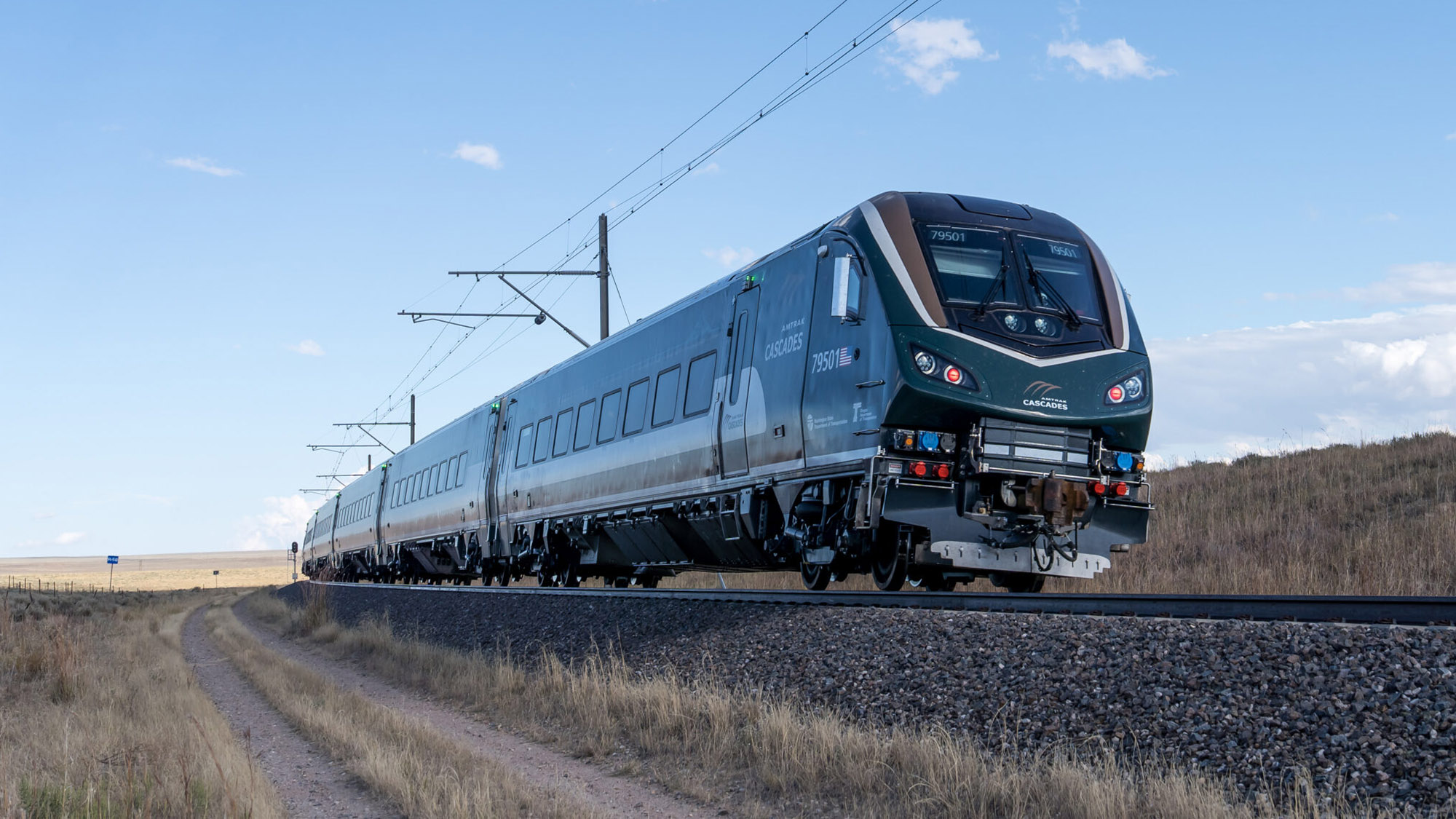
Amtrak has initiated the deployment of a new generation of passenger trains designed to modernize its aging fleet and improve travel efficiency across several major corridors. The rollout begins this autumn with eight units assigned to the Cascades route connecting Seattle, Portland, and Vancouver, British Columbia. These initial deployments mark the start of a broader distribution plan that will eventually place eighty-three trainsets on service in New England, Pennsylvania, and the mid-Atlantic region by 2027.
The new rolling stock, branded as Airo, represents a significant technological shift for the national rail carrier. Built by Siemens in the United States, these trains feature dual-mode propulsion systems capable of operating on both electrified lines and conventional diesel tracks. This capability eliminates the need for passengers to endure lengthy delays while crews swap locomotives at transition points, such as Union Station in Washington, D.C., where travelers currently wait up to an hour for engine changes between Virginia and Boston.
Environmental performance is a central component of the upgrade strategy. The Airo locomotives comply with the Environmental Protection Agency’s Tier 4 emissions standards, which are the strictest regulations for locomotive engines. This compliance results in substantial reductions in particulate matter and nitrogen oxide output. While much of the U.S. passenger rail network remains unelectrified, experts note that even modern diesel engines offer significant efficiency gains over older models, contributing to a cleaner transportation sector.
The investment addresses long-standing infrastructure deficits within Amtrak’s fleet, which has relied on equipment dating back to the 1970s. The new trains are capable of reaching speeds up to 125 mph and can carry significantly more passengers than current models; the Cascades units alone will accommodate 317 riders. This increased capacity and improved reliability are expected to enhance the overall rider experience, offering greater comfort and potentially reducing trip times on multiple routes, although specific time savings have not been quantified by the carrier.
Advocacy groups view the hardware upgrade as a critical step toward more frequent service. Leaders from All Aboard Washington suggest that the improved capabilities of the Airo trains could support hourly service intervals in the Pacific Northwest, a frequency that would make rail travel more competitive with driving. Currently, the trip between Seattle and Portland takes approximately three and a half hours by train, similar to the duration required by car despite the train making six intermediate stops.
The modernization effort is part of an $8 billion investment package intended to refresh Amtrak’s operations. This funding follows the introduction of NextGen Acela trains on the Northeast Corridor last summer and builds upon a historic $66 billion federal investment in passenger and freight rail authorized by the Infrastructure Investment and Jobs Act under the Biden administration. The federal government recently announced an additional $3 billion in support, including $2 billion specifically for train purchases.
However, the trajectory of future rail funding remains uncertain due to shifting political priorities. Despite Amtrak setting ridership records for two consecutive years, the Trump administration has proposed severe reductions to passenger rail funding. This tension between demonstrated public demand and proposed budget cuts creates a volatile environment for long-term planning and infrastructure development.
State-level initiatives continue to support rail expansion independently of federal fluctuations. Virginia, for example, has invested $6 billion in its Transforming Rail in Virginia program. Officials indicate that combining new rolling stock with improved local infrastructure will yield a more reliable experience for commuters. The synergy between state investments and federal hardware upgrades underscores the complex, multi-layered nature of modernizing America’s rail network.
Rail transport remains a highly efficient mode of travel globally, carrying eight percent of passengers while accounting for only two percent of transportation energy demand. Experts emphasize that maximizing the utilization of rail cars, whether for people or goods, offers superior efficiency compared to individual automobile use, even when those vehicles are electric. The introduction of cleaner, faster trains aims to leverage this inherent efficiency to reduce overall carbon footprints.
As the Airo trains begin service in the Pacific Northwest, stakeholders will monitor their impact on travel times and reliability. The success of these initial deployments could influence future decisions regarding frequency and expansion. With ridership at record highs, the ability of Amtrak to maintain momentum despite political headwinds will be a key indicator of the resilience of public rail transportation in the United States.
Sources behind this briefing
Go to the original reporting
- Grist↗All aboard Amtrak’s sleeker, cleaner new trains