The short version
- A new aesthetic blending coastal luxury with cottagecore whimsy has popularized clogs, chore jackets, and woven baskets in urban settings.
- Industry experts note that while the look emphasizes durability and natural materials, it often prioritizes visual appeal over genuine gardening utility.
- Actual allotment holders report wearing more rugged, weather-appropriate clothing than the stylized versions seen on social media.
A distinct sartorial shift has emerged across urban centers, characterized by the widespread adoption of clogs, straw hats, dungarees, and woven basket bags. This aesthetic, termed allotmentcore, occupies a stylistic middle ground between the refined linen attire associated with coastal grandmother trends and the rustic charm of cottagecore. The look is defined by its apparent readiness for outdoor labor, featuring items such as floaty dresses paired with heavy cotton workwear jackets. Fashion observers note that this trend is not confined to garden centers but has permeated city streets, signaling a broader cultural embrace of rural-inspired imagery during the autumn season.
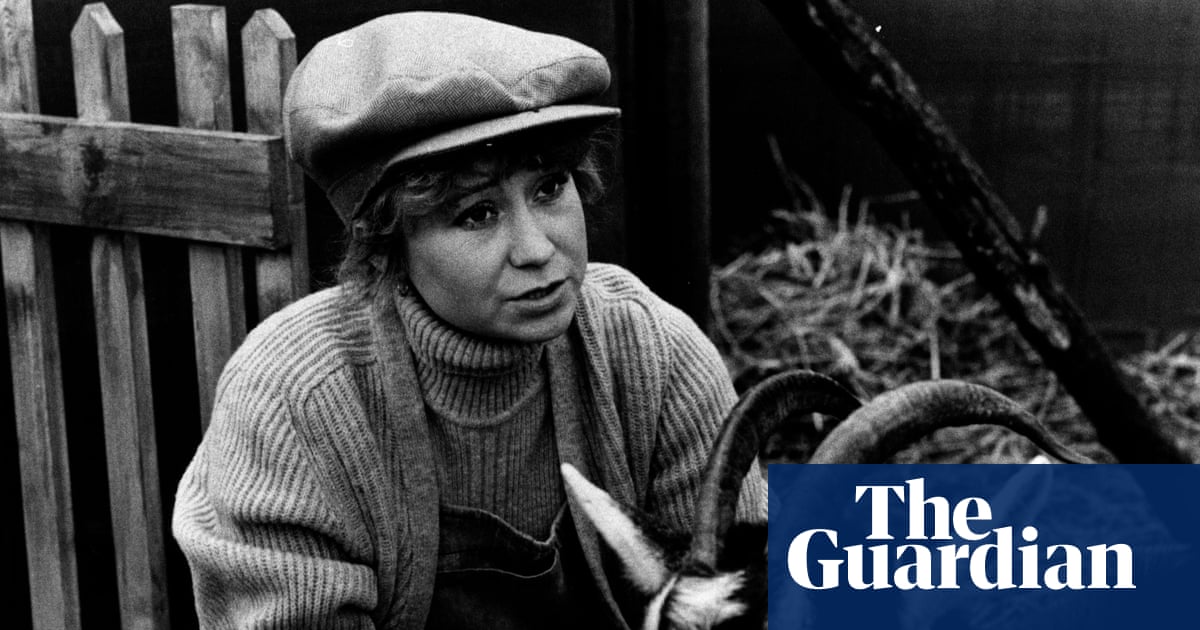
Academic analysis suggests the style draws from diverse cultural touchstones, combining elements reminiscent of classic television dramas about self-sufficiency with modern interpretations of garden chic. Mal James, a professor of fashion design at the University of Edinburgh, describes the aesthetic as a fusion of pastoral nostalgia and contemporary celebrity influence. The trend has been amplified by public figures who have adopted midi dresses and bandanas, often photographed holding floral arrangements. This visual narrative reinforces an image of romanticized rural living, even when the individuals involved are not engaged in actual agricultural work.
Commercial brands have quickly capitalized on this demand, with labels such as Carrier Company, Skall Studio, and Toast seeing increased interest in their offerings. Retailers specializing in homeware and lifestyle products report that vintage-style basket collections are selling out rapidly. The appeal lies in the versatility of these items; a heavy work jacket with generous pockets can serve practical purposes outdoors while maintaining a fashionable silhouette when layered over simpler garments. This duality allows consumers to participate in the trend without necessarily engaging in the physical labor the clothing ostensibly represents.
However, the gap between aesthetic presentation and functional reality remains significant. Professionals who work directly with plants emphasize that genuine gardening requires durable materials capable of withstanding thorns, dirt, and weather. Jessica Stokes, a florist and gardener based in Wiltshire, notes that while she appreciates the style, her clothing choices are dictated by the physical demands of her trade. She prioritizes durability over whimsy, acknowledging that delicate fabrics are ill-suited for rose pruning or other rigorous horticultural tasks. For those actually working the land, utility often trumps the curated look promoted on social media platforms.
Footwear choices further illustrate this divide between fashion and function. While clogs have become a symbol of the allotmentcore trend, experienced gardeners often prefer more robust options such as steel-toe boots or caps that provide better protection from branches and sun. Mel Zulu, a London-based gardener, favors denim and woven fabrics for their resilience against tears and snags. She opts for caps rather than straw hats to keep hair contained and protected, highlighting how practical considerations can diverge sharply from the stylized imagery circulating online. These adjustments reflect a need for gear that performs well under real-world conditions.
The trend is not limited to womenswear, with men’s fashion also incorporating elements of horticultural utility. Errol Reuben Fernandes, a horticultural consultant at the Horniman Museum and Gardens, observes an increase in practical items like slip-on clogs and waxed cotton tote bags. He appreciates the focus on purpose-led design, noting that well-made tools and clothing can offer long-term value. However, he distinguishes between genuine utility and mere aesthetic imitation, suggesting that true allotment culture is rooted in functionality rather than flounce. The presence of these items in urban settings may signal a growing interest in sustainability, but it does not necessarily indicate active participation in gardening.
Actual allotment holders provide a contrasting perspective on the trend’s authenticity. Molly Kampmann, who maintains a plot in Glasgow, reports that she rarely sees others dressed in the stylized manner depicted online. Instead, visitors to her allotment tend to wear practical clothing such as jeans, sweaters, and waterproof layers suitable for the local climate. She notes that while some individuals may appear stylish, they are often passing through rather than engaging in sustained gardening activities. This observation underscores the difference between performing a lifestyle for social media and living it daily.
Skepticism remains regarding the longevity and sincerity of the allotmentcore phenomenon. James argues that the trend is driven by a desire to project harmony with nature and an interest in sustainability, rather than a genuine commitment to horticulture. The appeal lies in the wholesome, timeless image of planting flowers and wearing natural fibers, which resonates with contemporary values. However, he has not observed people actually gardening in these outfits, suggesting that the trend may be more about perception than practice. As the season progresses, it remains to be seen whether this aesthetic will evolve into a lasting style or fade as quickly as it emerged.
The broader implications of allotmentcore reflect a societal fascination with self-sufficiency and environmental stewardship. Even if the clothing does not facilitate actual gardening, its popularity indicates a cultural shift toward valuing natural materials and outdoor aesthetics. Brands and consumers alike are drawn to the narrative of simplicity and connection to the earth. Whether this translates into meaningful engagement with nature or remains a superficial fashion statement depends on individual actions beyond the runway. The trend serves as a mirror for contemporary desires, revealing both an appreciation for rural imagery and a disconnect from the realities of agricultural labor.
Sources behind this briefing
Go to the original reporting
- The Guardian US↗Allotmentcore: why everyone is dressing like Barbara in The Good Life