The short version
- Alberta voters are deciding whether to begin the legal process for a future separation referendum, not voting to leave immediately.
- Prime Minister Mark Carney has appealed for national unity, citing concerns about U.S. influence and internal division.
- The movement has grown from a fringe cause to a mainstream political issue, fueled by pandemic-era grievances and energy policy disputes.
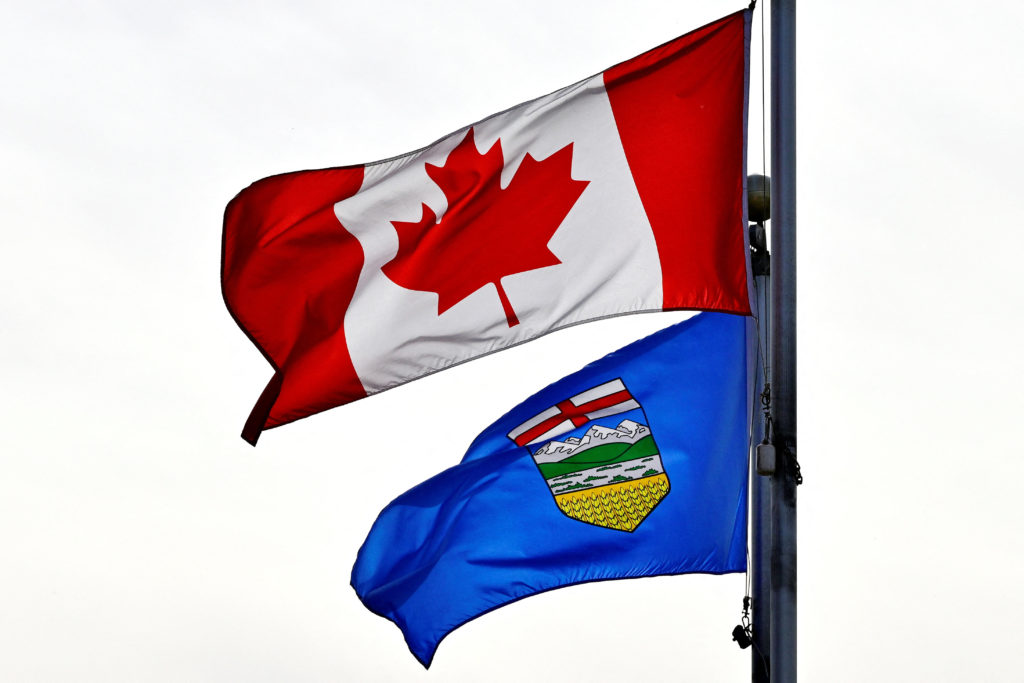
On October 19, 2026, voters in Alberta will cast ballots in a historic vote that could set the province on a path toward separation from Canada. The referendum does not directly decide whether Alberta will leave the country; rather, it asks voters to determine if the province should remain in Canada or begin the legal process toward a future referendum on sovereignty. This distinction is crucial, as the immediate outcome will not result in secession but could initiate a complex constitutional journey. Premier Danielle Smith, who called the vote, has stated that she supports remaining in Canada and expressed concern that support for starting the separation process remains too high.
Prime Minister Mark Carney has made a final appeal for unity ahead of the vote, emphasizing the importance of keeping Canada together. In statements reported by AP News and Al Jazeera, Carney highlighted the risks of division and suggested that external forces, including the United States, may be attempting to weaken Canadian cohesion. His appeals reflect the high stakes involved in this political moment, as the federal government seeks to prevent any momentum toward fragmentation. The Prime Minister's involvement underscores the national significance of the Alberta vote.
The rise of separatism in Alberta has been a gradual process, evolving from a fringe movement to a prominent political issue. For decades, support for independence was minimal, with separatist parties typically drawing only 1% or 2% of the vote. However, tensions between the province and the federal government over energy policy and climate measures have fueled discontent. Former Prime Minister Justin Trudeau's imposition of a national carbon tax and other environmental regulations were particularly unpopular in Alberta, where leaders argued these policies harmed the oil industry.
The pandemic played a pivotal role in radicalizing some segments of the population. The Freedom Convoy, which paralyzed parts of Ottawa and blocked major border crossings, marked a turning point. Jeff Rath, a leader of the independence movement, cited federal vaccine rules as a breaking point, stating that restrictions on travel motivated his desire for separation. Former Alberta Premier Jason Kenney noted that the convoy mobilized anger over globalization, vaccines, and pandemic restrictions, providing a catalyst for separatist sentiment.
Social media has facilitated the organization of previously isolated activists, allowing them to find common cause and build momentum. The movement has become more professional, with dedicated organizations raising funds and employing experienced political operatives. This structural development has strengthened the separatist campaign, enabling it to gain traction beyond its earlier fringe status. The overlap between separatist activists and other political groups, including those supportive of Russian President Vladimir Putin, has also been noted by observers.
The vote itself is non-binding, meaning that even if voters choose to begin the separation process, further steps will be required to achieve actual sovereignty. This complexity adds uncertainty to the outcome, as the legal and political challenges of secession are substantial. The federal government's stance against separation, combined with the Premier's preference for unity, creates a tense dynamic as voters weigh their options.
Prime Minister Carney's appeals for unity reflect broader concerns about Canada's stability and international standing. The potential for division could impact Canada's relationships with allies and its ability to present a cohesive front on global issues. The Prime Minister's emphasis on unity suggests that the federal government views the Alberta vote as a critical test of national solidarity.
The outcome of the referendum will have significant implications for Canadian politics, regardless of the result. A vote to begin the separation process could lead to prolonged legal and political battles, while a decision to remain in Canada may signal a de-escalation of tensions. In either case, the vote highlights the deep-seated grievances that have fueled separatist sentiment in Alberta.
As the vote approaches, attention remains focused on voter turnout and the final tally. The level of support for separation will provide insight into the strength of the movement and the extent of public dissatisfaction with federal policies. The results could influence future political strategies and policy decisions at both the provincial and national levels.
Ultimately, the Alberta referendum represents a pivotal moment in Canadian history. The decision to begin or reject the separation process will shape the country's trajectory for years to come. As voters head to the polls, the nation watches closely, aware that the outcome could redefine the relationship between Alberta and the rest of Canada.
Sources behind this briefing
Go to the original reporting
- PBS NewsHour↗How Alberta separatism went from fringe cause to referendum
- AP News↗Canadian Prime Minister Carney makes case for Canadian unity as Alberta referendum nears
- Al Jazeera↗Canada’s Carney calls for unity as Alberta prepares for secession vote
- WV News↗Canada's Carney makes final appeal against Alberta separation ahead of referendum