The short version
- Creative professionals in Sydney's inner west are opposing federal plans that would allow AI companies to use their work by default unless they explicitly opt out.
- The proposal threatens the economic stability of a region where creative industries employ a significantly higher percentage of workers than the national average.
- An independent candidate is challenging Prime Minister Anthony Albanese in his traditionally safe seat, capitalizing on growing dissatisfaction with government tech policies.
Prime Minister Anthony Albanese is encountering significant resistance within his own parliamentary division as local artists and cultural workers mobilize against proposed changes to copyright legislation. The federal government is considering reforms that would permit artificial intelligence firms to scrape and utilize creative content generated by Australians without prior permission, provided the creators do not actively object. This shift represents a departure from current norms and has sparked intense debate in Grayndler, an inner-west Sydney electorate known for its dense concentration of cultural businesses.
The seat of Grayndler has long been considered a political fortress for Labor, with Albanese holding it by a comfortable margin for thirty years. The area is distinctively rich in creative enterprise, boasting more than three thousand cultural and creative businesses. Approximately ten percent of the workforce in this electorate is employed in these fields, a figure that stands in stark contrast to the national average of 4.2 percent. Albanese has frequently highlighted the region’s vibrant live music scene, theater productions, and artist spaces as points of pride for his tenure.
However, the current legislative mood suggests a fracture between the government’s technological ambitions and the livelihoods of local creatives. Labor is weighing these copyright adjustments as part of a broader package of reforms aimed at attracting data centers and fostering economic growth through AI development. While Albanese has publicly committed to strong protections for creators, warning that uncompensated use amounts to theft, industry insiders fear the practical outcome will be different. The proposed framework appears designed to facilitate negotiations with major US technology companies, potentially at the expense of local intellectual property rights.
Tech giants have argued that existing copyright laws create excessive barriers to training AI models locally. Some companies, including Anthropic, have advocated for an opt-out system where content is assumed available for scraping unless a rights holder intervenes. This approach has drawn sharp criticism from opposition senators and representatives of the recording industry, who warn it could effectively constitute a government-sanctioned transfer of private property to corporate entities. The tension highlights a fundamental conflict between regulatory ease for tech firms and the preservation of creator autonomy.
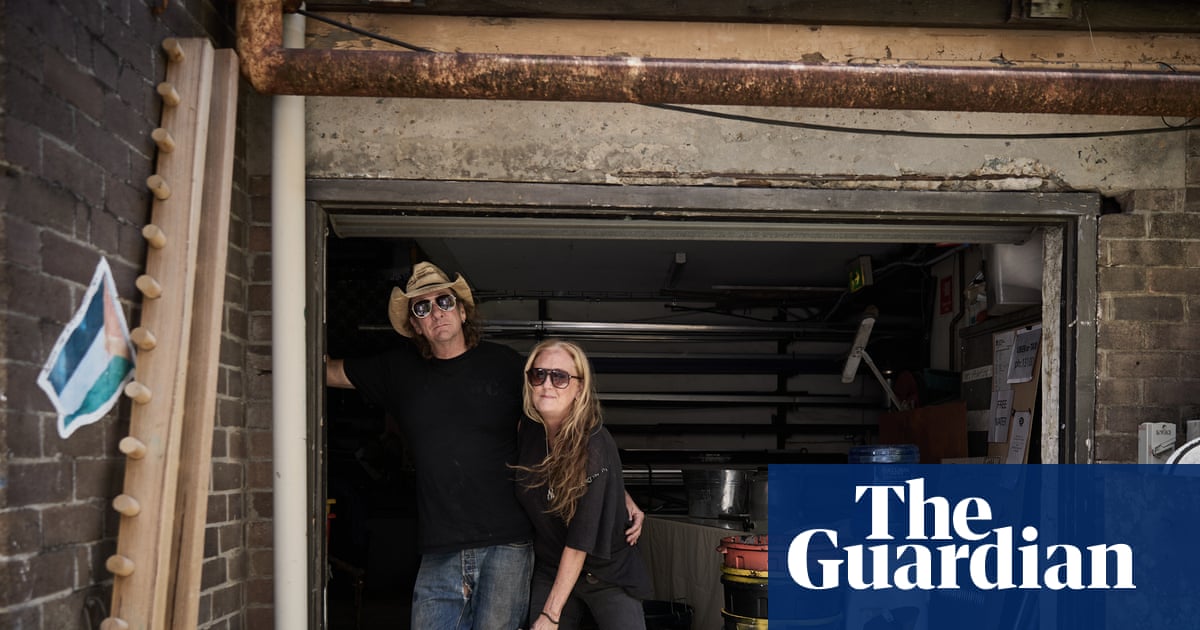
Local voices in Grayndler are expressing deep concern over the implications of such a policy. Pete Strong, a screenprinter and local councilor, describes the current AI landscape as an extraction industry that benefits a small few while harming independent artists. He argues that the financial pressures already facing creatives would be exacerbated if their work were freely harvested for commercial profit. Strong has been vocal in his opposition to related infrastructure projects, such as proposed data centers, viewing them as part of a broader trend that prioritizes corporate interests over community well-being.
Other artists share this sentiment, though some acknowledge the utility of AI tools in their own practices. Lu Campbell-Smith, a designer and artist based in the area, finds the requirement to opt out rather than opt in to be fundamentally unfair. She suggests that such policies treat Australia as a test market or a resource to be exploited rather than a partner in technological development. Her concerns reflect a wider anxiety that creators may lose the incentive to produce and share work online if it becomes free fuel for AI systems without adequate compensation or control.
The political ramifications of this discontent are becoming visible. Hannah Ferguson, an independent candidate and co-founder of a media company, is challenging Albanese in the upcoming federal election. She is betting that the prime minister’s popularity has eroded enough to make his traditionally safe seat competitive. Recent polling data supports this assessment, showing Albanese’s disapproval rating at 56 percent, which ties for the highest level since he assumed office. No sitting member has ever lost a seat with such a large margin, but the convergence of policy dissatisfaction and personal unpopularity presents a novel risk.
Cultural leaders in Grayndler warn that the stakes extend beyond individual income to the health of the broader social fabric. H Morgan-Harris, who directs a long-standing artist-led space in St Peters, argues that the creative ecosystem is essential for human connection and societal value. She notes that her own field of copywriting has already suffered significant impacts from AI adoption. The fear among these stakeholders is that weakening copyright protections could decimate the local creative economy, undermining the very cultural vitality that defines the electorate.
The federal government’s draft legislation is expected to be finalized by the end of the year, with parliamentary consideration scheduled for 2027. This timeline leaves a window for continued advocacy and potential modification of the proposals. However, the current trajectory suggests a significant clash between the government’s desire to position Australia as a hub for AI innovation and the demands of its creative class for robust intellectual property rights. The outcome will likely influence not only the future of Australian copyright law but also the political fortunes of the prime minister in his home district.
As the debate intensifies, the issue serves as a microcosm of broader global tensions regarding AI regulation and creator rights. The specific dynamics in Grayndler highlight how national policy decisions can have immediate, tangible effects on local communities heavily invested in cultural production. Whether Labor proceeds with an opt-out model or seeks a compromise that better protects creators will be a critical test of its ability to balance technological progress with social equity.
Sources behind this briefing
Go to the original reporting
- The Guardian World↗Disquiet grows in Albanese’s back yard as Grayndler artists unite against ‘insane’ AI proposal