The short version
- Greta Thunberg returned to the UN climate summit after five years, accusing governments of actively harming the planet rather than merely failing to save it.
- Current global policies are projected to raise temperatures by 2.7C this century, significantly exceeding the 1.5C target agreed upon by world leaders.
- The summit in Antalya is grappling with proposals for economic electrification while navigating diplomatic absences from the US and Israel due to political disputes.
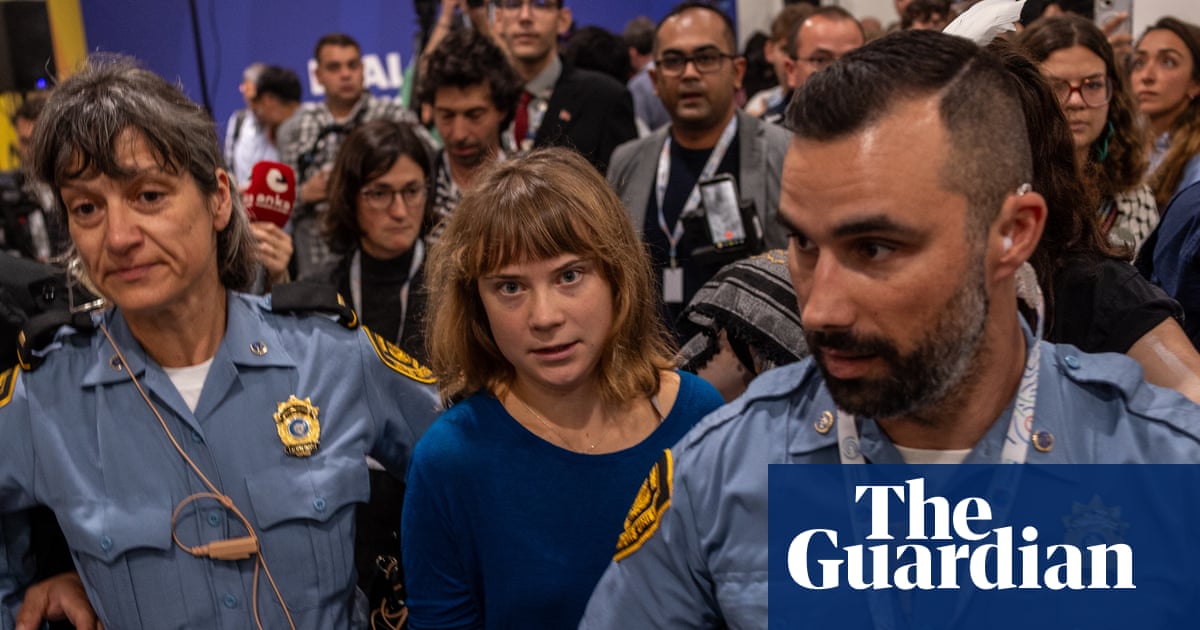
Greta Thunberg marked her first appearance at a United Nations climate conference in five years by delivering a sharp critique of global leadership during the Cop31 summit in Antalya, Turkey. The Swedish activist, now 23, argued that the Earth is not simply dying from natural causes but is being actively killed by the very institutions tasked with protecting it. Her address served as a focal point for frustration among campaigners who feel that diplomatic efforts have failed to match the urgency of the environmental crisis.
Thunberg linked the accelerating pace of global heating to broader humanitarian failures, including war and the erosion of basic rights. She warned that the current trajectory leads toward increased conflict and ecological destruction, where essential resources become luxuries available only to a few. Her remarks highlighted a growing sentiment among activists that traditional diplomatic channels are insufficient to address the scale of the threat.
The summit has been characterized by a mix of high-level political engagement and significant diplomatic absences. British Prime Minister Andy Burnham was the only leader from the G7 group to attend, using his platform to emphasize that climate impacts are no longer distant threats but immediate realities. He pointed to the record-breaking heat experienced in the UK as evidence that the crisis is already devastating lives and livelihoods across the globe.
Burnham pledged that the United Kingdom would achieve net-zero emissions and supported proposals for nations to further electrify their economies. However, climate justice advocates cautioned that physical presence at the summit does not equate to effective leadership. Experts noted that while signals of intent are positive, the true measure of progress will be the implementation of substantive policies rather than rhetorical commitments.
Electrification has emerged as a central topic in the negotiations, with some countries pushing for language that ensures new electricity generation comes from clean energy sources. This debate reflects broader tensions within the talks regarding how to balance immediate economic needs with long-term environmental goals. The joint presidency of Turkey and Australia faces the challenge of bridging these divides while maintaining momentum toward actionable agreements.
Data presented during the summit underscores the severity of the gap between current policies and international targets. A report by Climate Action Tracker indicated that existing measures are on track to warm the planet by 2.7C by the end of the century. This projection is slightly higher than previous estimates and far exceeds the 1.5C limit that leaders have promised to uphold, highlighting the inadequacy of current global efforts.
Personal accounts from affected nations provided a stark backdrop to the diplomatic proceedings. Nepal’s environment minister described a devastating landslide caused by a melting glacier, which he termed a mountain tsunami. The disaster claimed more than 1,500 lives and destroyed infrastructure, culture, and communities that cannot be fully restored. Such testimonies illustrate the tangible human cost of climate inaction.
Geopolitical tensions also cast a shadow over the proceedings. Turkey, as host, refused to invite Israeli leadership, citing accusations of genocide related to the conflict in Gaza. In response, Palestinian Prime Minister Mohammad Mustafa addressed the summit, detailing how war-related restrictions on land and water have exacerbated environmental challenges in Palestine. The absence of both Israel and the United States, which withdrew from the international climate framework under President Donald Trump, marked a significant departure from previous summits.
The lack of US participation drew criticism from former Secretary of State John Kerry, who attended alongside Democratic lawmakers and state governors. Kerry characterized the current administration’s stance as a major setback for global climate cooperation. As the two-week summit continues, delegates remain focused on whether any meaningful agreements can be reached despite the political fragmentation and rising temperatures.
Sources behind this briefing
Go to the original reporting
- The Guardian World↗The planet ‘is being killed’, Greta Thunberg tells Cop31 climate summit