The short version
- Aardman Animation reduced its annual loss to £1.1 million from £4.1 million the previous year, falling short of a targeted return to profit.
- The studio implemented workforce reductions and strategic reviews to manage inflationary pressures while navigating a difficult market for children's programming.
- Leadership identified artificial intelligence as a significant risk, emphasizing a commitment to using technology that supports rather than replaces human creativity.
Aardman Animations, the British studio renowned for its stop-motion characters Wallace and Gromit, has reported a narrowed financial deficit for the 2025 fiscal year. The employee-owned company recorded an annual loss of £1.1 million, marking a significant improvement from the £4.1 million loss posted in the prior year. Despite this positive trajectory, the studio failed to achieve its stated objective of returning to profitability. Revenue increased by eight percent to reach £20.4 million, yet the bottom line remained negative due to a combination of production setbacks and unfavorable market conditions within the children's entertainment sector.
The shortfall occurred against a backdrop of high expectations following the critical and commercial success of Wallace & Gromit: Vengeance Most Fowl. Released in late 2024, the film became the most-watched animated broadcast on British television since 2002, breaking viewing records during the Christmas period. It also garnered significant industry recognition, winning two Bafta awards and securing an Academy Award nomination for best animated feature. However, the financial benefits of this success were offset by timing issues related to major deals and weaker performance in other business segments, preventing the studio from closing the gap entirely.
To address these financial challenges, Aardman initiated a strategic review in early 2026 aimed at managing inflationary cost pressures. This internal assessment led to further job cuts, adding to workforce reductions that had already begun in the previous fiscal year. The total headcount dropped from 297 employees to 230, with permanent staff numbers declining from 128 to 110. These staffing adjustments are part of a broader five-year business plan launched in 2024, which focuses on investing in intellectual property while simultaneously reducing operational expenses.
The studio operates in a complex economic environment characterized by what leadership describes as a challenging market for children's content. This sector has faced particular headwinds, affecting revenue streams that traditionally support animation studios. The timing of significant contractual agreements also played a role in the financial outcome, with income recognition delayed or diminished in certain areas. These factors combined to create a fiscal year where growth in top-line revenue did not translate into immediate profitability, highlighting the delicate balance between creative output and financial sustainability.
Looking ahead, Aardman is banking on new projects to drive future earnings. The studio recently opened an exhibition at Lightroom in London, celebrating its 54-year history and engaging with fans directly. Additionally, a third film in the Shaun the Sheep series was released last month, offering another potential revenue stream. In a notable departure from tradition, Gromit is set to receive a voice for the first time in an upcoming audiobook adaptation of his autobiography, narrated by actor Martin Freeman. These initiatives aim to diversify income sources beyond traditional film distribution.
Beyond immediate financial metrics, Aardman has identified artificial intelligence as a principal risk and uncertainty facing its business model. The studio's annual accounts acknowledge that generative AI is reshaping parts of the creative industries, presenting both opportunities for workflow improvement and serious concerns regarding legal, ethical, and authorship issues. Leadership emphasized the importance of developing and using this technology responsibly and selectively. The stated goal is to ensure that AI tools support and celebrate human creativity and craft rather than replacing them, reflecting a cautious approach to technological integration.
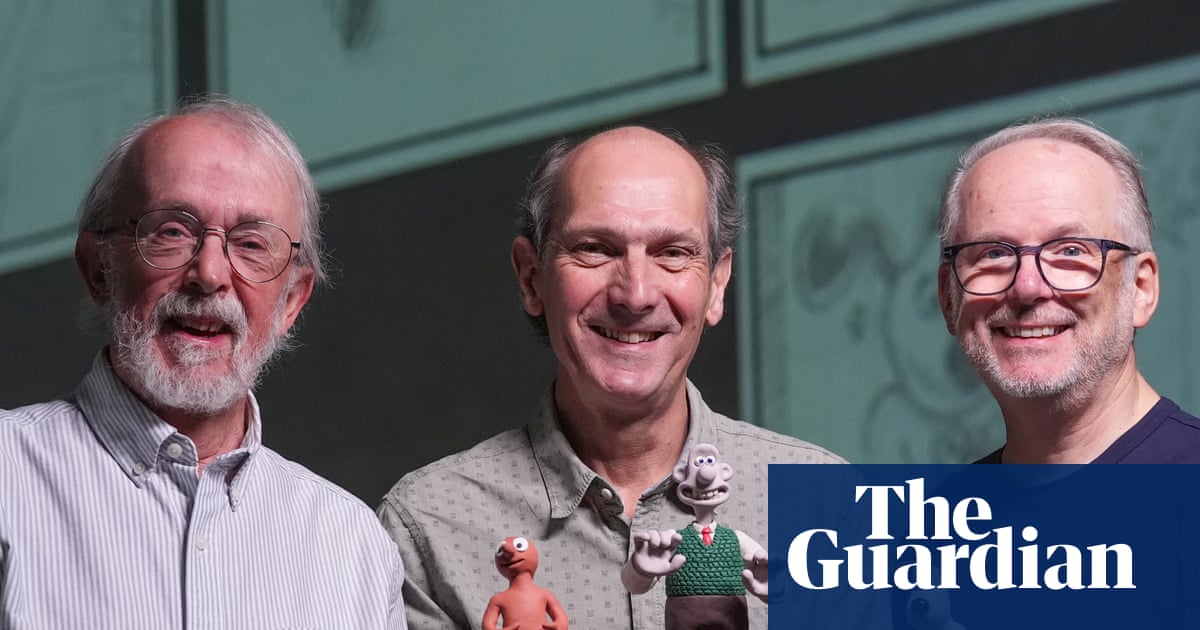
The studio's current structure reflects its long-standing commitment to independence. Founded in the early 1970s by Peter Lord and David Sproxton in Bristol, Aardman began with short animations sold to the BBC. The founders created iconic characters like Morph for children's television before expanding into adult-oriented content through Channel 4. In 2018, Lord and Sproxton transferred majority ownership to the staff, establishing an employee-owned model designed to safeguard the company's creative autonomy. Both co-founders were knighted earlier this year, recognizing their contributions to British animation.
As Aardman navigates this transitional period, the focus remains on balancing artistic integrity with financial viability. The reduction in losses suggests that cost-cutting measures and strategic planning are having an effect, but the path to consistent profitability remains uncertain. The studio must continue to adapt to shifting market dynamics while maintaining the distinctive stop-motion style that has defined its brand for over five decades. Future performance will likely depend on the success of upcoming releases and the ability to leverage new technologies without compromising the human element central to its identity.
Sources behind this briefing
Go to the original reporting
- The Guardian World↗Wallace & Gromit maker Aardman falls short of return to profit