The short version
- Jodie Foster, a twenty-three-year-old python, survived a recurring jaw tumor through electrochemotherapy, a treatment previously reserved for humans.
- The procedure involved surgically removing the mass and using electrical pulses to enhance drug absorption in remaining cancerous cells.
- Veterinary experts plan to publish their findings to help other professionals adapt this technique for reptile care.
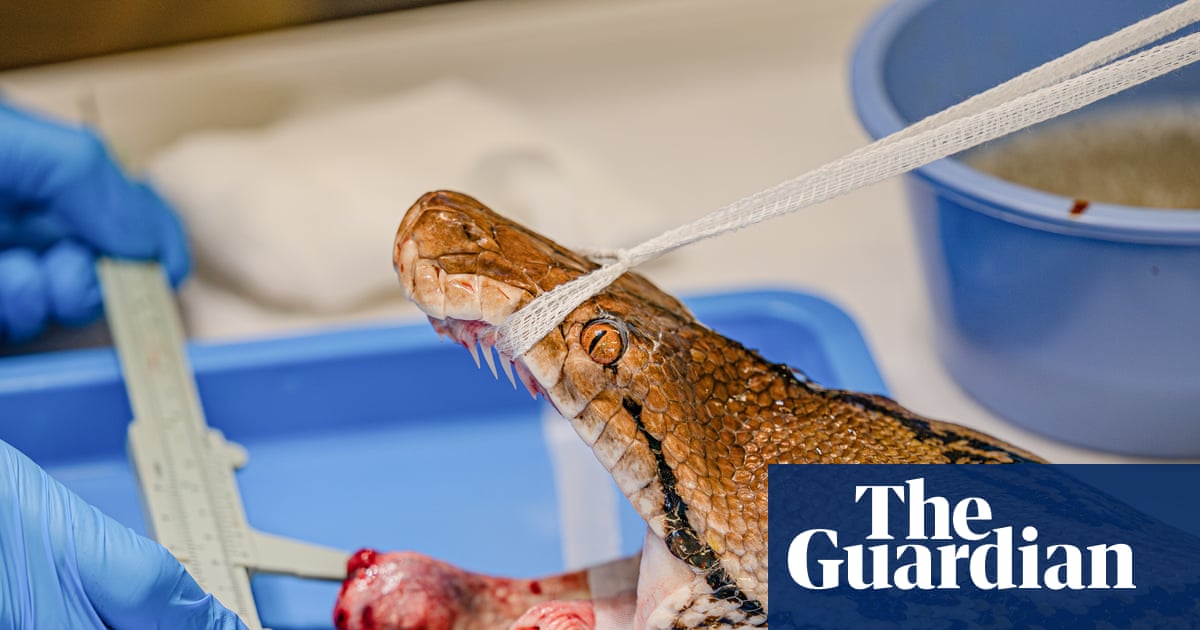
A twenty-three-year-old reticulated python named Jodie Foster has become the first snake known to receive electrochemotherapy, a medical intervention typically reserved for human patients. The large reptile, which resides at Chester Zoo in England, was diagnosed with a malignant fibrosarcoma located in her jaw. Although surgeons initially removed the tumor, the cancer returned and began to erode her jawbone, threatening her ability to eat and ultimately her life. Faced with the likelihood that further surgery alone would be insufficient, veterinary staff collaborated with oncology specialists to adapt a human treatment protocol for this unique case.
The decision to pursue electrochemotherapy arose from the aggressive nature of the recurring tumor. Ian Ashpole, a veterinary officer at the zoo, noted that as the cancer destroyed bone tissue, it became increasingly difficult for Jodie to consume food. Standard surgical removal had already been attempted, but the persistence of the disease required a more comprehensive approach. The team determined that combining chemotherapy with electrical stimulation could target residual cancer cells more effectively than surgery or drugs alone. This marked an unprecedented application of the technique in reptilian medicine.
Electrochemotherapy works by administering the anti-cancer drug bleomycin alongside carefully controlled electrical pulses delivered directly to the tumor site. These pulses temporarily increase the permeability of cancer cell membranes, allowing the medication to enter the cells more efficiently. This method is designed to maximize the drug's impact on malignant tissue while minimizing systemic side effects. For Jodie, the treatment was administered after Ashpole surgically excised the visible tumor mass and portions of the diseased jawbone. The electrical pulses were then applied to ensure any remaining cancerous cells were targeted.
The logistical challenges of treating such a large animal were significant. Jodie weighs approximately fifty kilograms and measures fifteen feet in length, making her too big for standard veterinary operating tables. To accommodate her size, staff pushed two tables together to create a platform comparable to a double bed. She was anesthetized within her own habitat before being carefully transported to the zoo's veterinary center. The entire procedure lasted ninety minutes, requiring precise coordination among the veterinary team and oncology experts from the University of Liverpool.
Jose Alvarez Picornell, a specialist from the University of Liverpool’s department of small animal clinical science, emphasized the collaborative nature of the project. He described the treatment as an emerging field and highlighted that this was the first instance of its use in a snake. The success of the intervention demonstrates the potential for cross-species medical adaptation. Picornell noted that working closely with zoo staff allowed them to develop a plan that not only saved Jodie’s life but also provided valuable data for the broader veterinary community.
Months after the procedure, Jodie has shown remarkable recovery. Zoo keepers report that she has returned to her normal behavior patterns, including eating regularly and displaying her characteristic feisty demeanor. Pythons are known for their ability to unhinge their jaws to swallow prey much larger than their heads, a physical feat that requires significant jaw integrity. Despite the tumor's previous invasion of her jawbone, staff have observed no difficulty in her striking, gripping, or swallowing food. A recent medical check confirmed that there are no signs of the cancer returning.
The name Jodie Foster originated from administrative shorthand when she first arrived at the zoo. Her paperwork was marked with 'JF,' standing for juvenile female, which staff interpreted as a reference to the Hollywood actress. This naming convention stuck throughout her life at the facility. Now, in addition to her celebrity namesake, she holds a place in medical history as a pioneer in veterinary oncology. Her case provides a concrete example of how innovative treatments can be adapted for non-traditional patients.
Looking ahead, the veterinary team plans to formally publish the details of the procedure. This publication aims to share their methodology with colleagues worldwide, enabling other veterinarians to learn from and build upon this approach. The goal is to expand the toolkit available for treating cancer in exotic animals. By documenting the success of electrochemotherapy in a snake, researchers hope to encourage further translational research that bridges human and animal medicine. This case underscores the importance of interdisciplinary collaboration in advancing veterinary care.
The successful treatment of Jodie Foster highlights the evolving landscape of veterinary medicine. As diagnostic tools and therapeutic options improve, animals that were once considered untreatable may now have viable options for life-saving interventions. The adaptation of human cancer therapies for reptiles represents a significant step forward in this field. While each case remains unique, the principles demonstrated here could inform future treatments for other species facing similar oncological challenges.
This development serves as a reminder of the complex relationships between humans and animals in medical research. The ability to translate successful human treatments to veterinary contexts benefits both fields. It allows for broader testing of therapeutic efficacy and safety while providing compassionate care to individual animals. Jodie’s recovery is not just a personal victory for the zoo staff but also a contribution to scientific knowledge that may help many other animals in the future.
Sources behind this briefing
Go to the original reporting
- The Guardian US↗Python named Jodie Foster first snake to receive pioneering cancer treatment

