The short version
- Zinedine Zidane officially becomes the new head coach of the French national team, ending Didier Deschamps' long tenure after the 2026 World Cup.
- The appointment follows months of speculation and negotiations, with Zidane having declined other offers to wait for this specific opportunity.
- While promising tactical adjustments and calling up new players, Zidane emphasizes maintaining the winning culture established by his predecessor.
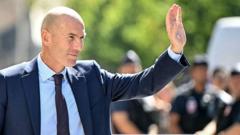
France national team management has undergone a significant transition as Zinedine Zidane assumes the role of head coach, replacing Didier Deschamps. This change marks the first time in fourteen years that Les Bleus have had a different figure on the touchline. The appointment follows France's fourth-place finish at the 2026 World Cup, where they lost their third-place playoff to England. Although Zidane's hiring was widely anticipated before the tournament concluded, formal discussions between the former Real Madrid manager and French football authorities began as early as February 2025.
Zidane has been transparent about his prolonged preparation for this position. He revealed that he turned down several coaching offers over the past four or five years because leading the national team was his sole professional ambition. During his unveiling in Paris, the emotional manager highlighted the time he spent waiting on the sidelines to ensure he could take on this specific challenge. His dedication to the role has been met with widespread enthusiasm from supporters and players alike, including a warm welcome from Kylian Mbappe, who described the situation as cinematic.
Despite the excitement surrounding his arrival, Zidane offered limited tactical specifics during his initial press conference. He declined to elaborate on how he would handle the captaincy of Kylian Mbappe, stating that the striker's immediate priority should be rest and that further discussions would occur in September. When asked about his preferred style of play, Zidane avoided detailed explanations, noting that he needed to meet with the players first to outline his plans. He emphasized that his primary responsibility is to maintain the team's winning trajectory.
The new manager has signaled a desire to implement changes while respecting the foundation laid by Deschamps. Zidane confirmed his intention to approach certain aspects of the job differently, evidenced by his decision to call up five uncapped players for the upcoming international break against Turkey. However, he also stressed that this would not be a complete break from the past. He praised his predecessor's work and indicated that there would be a degree of continuation in the team's overall approach.
Zidane's playing career provides some insight into his potential managerial philosophy. As one of the most celebrated attacking midfielders of his generation, he won major titles with Juventus and Real Madrid and was instrumental in France's victories at the 1998 World Cup and Euro 2000. His own success was built on technical excellence and tactical intelligence, traits that may influence his coaching style. He hinted that his motivation stems from a love of attacking football and scoring goals, suggesting he might retain the creative freedom given to players like Michael Olise under Deschamps.
There are notable similarities between Zidane and Deschamps in their pragmatic approaches to management. Both were key figures in France's 1998 World Cup triumph and share a laissez-faire attitude toward attacking phases. Given the depth of attacking talent currently available to the French squad, it is reasonable to expect Zidane to continue leveraging these strengths. The team scored twenty goals during the recent World Cup in North America, indicating that Deschamps left the side in strong offensive shape.
The transition does carry some inherent risks due to Zidane's extended absence from management. He has not held a senior coaching role since leaving Real Madrid, making this his first experience leading a national team after five years away from the dugout. Zidane acknowledged that managing Les Bleus is a new proposition for him but expressed confidence in his ability to adapt. His previous success at Real Madrid, where he won three Champions League titles, provides a strong reference point for his capabilities.
The reception to Zidane's appointment has been overwhelmingly positive among fans and former teammates. Supporters gathered with flares and banners outside the French Football Federation headquarters to welcome him home. Former teammate Bixente Lizarazu praised the decision, stating that Zidane is more than qualified to manage the national team given his achievements at Real Madrid. The general sentiment suggests that the football community believes Zidane can harness the star power of the current squad.
Looking ahead, the immediate test for Zidane will be managing the upcoming match against Turkey. This game will serve as an early indicator of how he integrates new players and implements any tactical shifts. While he has promised to do things differently in some respects, the core identity of the team appears set to remain intact. The challenge will be balancing innovation with the stability that has defined French football under Deschamps.
As Zidane begins his tenure, the focus will shift from speculation to performance. His ability to connect with a star-studded roster and maintain their competitive edge will be crucial. The French Football Federation has placed its trust in a legend who waited patiently for this opportunity. Whether he can replicate the success of his predecessor remains to be seen, but the initial optimism suggests a promising start for Les Bleus under new leadership.
Sources behind this briefing
Go to the original reporting
- BBC News↗Zidane waited for France - now can he harness their star power?

