The short version
- Volodymyr Zelenskyy indicated Kyiv is prepared for a bilateral ceasefire on energy targets, contingent on Russia ceasing attacks on Ukraine’s power grid.
- NATO leadership described Vladimir Putin as increasingly dangerous and risk-accepting, warning that Moscow may seek to provoke an overreaction from the alliance.
- Ukraine continues to request Patriot missile systems for defense against ballistic threats, though US officials have not provided concrete confirmation due to global supply constraints.
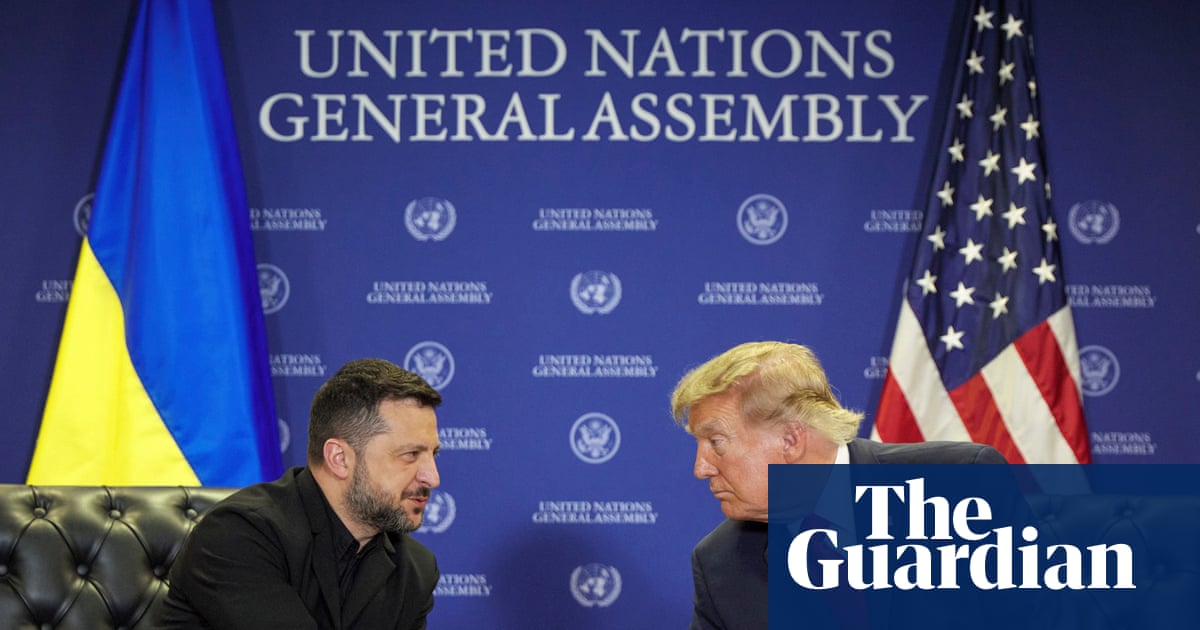
On the sidelines of the United Nations General Assembly in New York, Ukrainian President Volodymyr Zelenskyy signaled a potential shift in tactical negotiations by expressing readiness for an energy-focused ceasefire. During discussions with US President Donald Trump, Zelenskyy stated that Kyiv would agree to halt attacks on Russian energy infrastructure if Moscow committed to stopping its own strikes against Ukraine’s power systems. This proposal marks a specific avenue for de-escalation amidst broader stalled peace efforts, as Washington has recently redirected significant diplomatic attention toward conflicts in the Middle East.
Zelenskyy emphasized that American pressure remains critical to ending the four-year conflict. He suggested that if the United States applied greater leverage on Vladimir Putin, and if major economies like China and India ceased purchasing Russian oil, the Kremlin’s financial capacity to sustain the war would diminish significantly. Despite these assertions, Trump offered little evidence that Putin is currently open to settlement terms, though he predicted a resolution might occur faster than public expectations suggest. The Ukrainian leader also expressed willingness to engage in trilateral talks involving himself, Putin, and Trump.
While Zelenskyy highlighted diplomatic overtures, he clarified that Trump did not explicitly demand an end to Ukrainian strikes on Russian oil refineries during their Tuesday meeting. However, the issue has previously surfaced in discussions with American partners, who have voiced concerns regarding the impact of such strikes on global energy prices. This nuance underscores the delicate balance Kyiv must maintain between military necessity and the economic sensitivities of its key allies.
In parallel diplomatic engagements, UK Prime Minister Andy Burnham met with Zelenskyy to advocate for the energy ceasefire proposal during Trump’s discussions with the Ukrainian leader. Burnham also pledged additional financial assistance to support Ukraine’s infrastructure recovery. These coordinated efforts reflect a broader Western strategy to isolate Russia economically while seeking incremental pauses in hostilities that could stabilize the front lines without requiring a comprehensive peace treaty.
Amid these diplomatic maneuvers, NATO officials issued stark warnings about the evolving threat landscape. Air Chief Marshal Sir John Stringer, NATO’s deputy commander in Europe, described Putin as becoming increasingly cavalier and risk-accepting as the war drags on. Speaking at a security conference in Estonia, Stringer cautioned that Moscow is actively seeking to divide Western allies through sabotage, espionage, and bolder attacks. He urged member nations to remain vigilant against provocations designed to trigger an disproportionate response from the alliance.
The concern over escalation is particularly acute for Baltic states bordering Russia. Officials from Estonia, Latvia, and Lithuania have adopted a cautious stance regarding the likelihood of direct military conflict with NATO members. Latvian President Edgars Rinkevics noted that while Ukraine remains engaged in intense combat, Russia appears absorbed in that theater, with no observable buildup near Baltic borders. Nevertheless, these nations continue to face incursions by Russian drones and missiles, alongside a persistent campaign of covert disruption that has intensified since the invasion began.
On the military front, Ukraine continues to press Washington for additional Patriot missile interceptors to defend against advanced Russian ballistic threats. Zelenskyy reported that while US officials have expressed positive intentions to assist, no concrete confirmation of delivery has been received. Defense analysts attribute this delay to a global shortage of Patriot systems, many of which have been deployed to protect US and allied bases in the Middle East from Iranian attacks. This scarcity leaves Ukrainian cities increasingly vulnerable to devastating strikes, highlighting the strain on American defense resources.
The intersection of diplomatic proposals and military shortages illustrates the complex reality facing Ukraine as it navigates its fourth year of war. While Kyiv seeks tangible pauses in energy-related violence to protect civilian infrastructure, it simultaneously contends with a resurgent Russian adversary that NATO warns is growing more dangerous. The success of Zelenskyy’s ceasefire proposal will likely depend on whether Moscow views such a pause as strategically advantageous or merely a tactical reprieve before further escalation.
Sources behind this briefing
Go to the original reporting
- The Guardian US↗Ukraine war briefing: Zelenskyy ready for ‘energy ceasefire’, as Nato warns Putin becoming ‘increasingly cavalier’

