The short version
- President Zelenskyy criticized US policy while demanding expanded Starlink access to counter Russian missile threats.
- A major attack on Kramatorsk killed dozens, raising the two-day death toll from Russian strikes to nearly eighty.
- Diplomatic tensions emerged as South Korea recalled its ambassador over a dispute regarding North Korean prisoners of war.
Ukrainian President Volodymyr Zelenskyy has intensified his criticism of Washington’s approach to the ongoing conflict, arguing that current US efforts are insufficient given the severity of recent Russian assaults. Speaking from Pryluky, the Ukrainian leader accused the United States of hesitancy in providing critical military aid while simultaneously pursuing economic engagement with Moscow. This stance comes as Kyiv faces a renewed wave of deadly strikes, with Zelenskyy asserting that stronger defensive capabilities are a prerequisite for meaningful negotiations with Vladimir Putin.
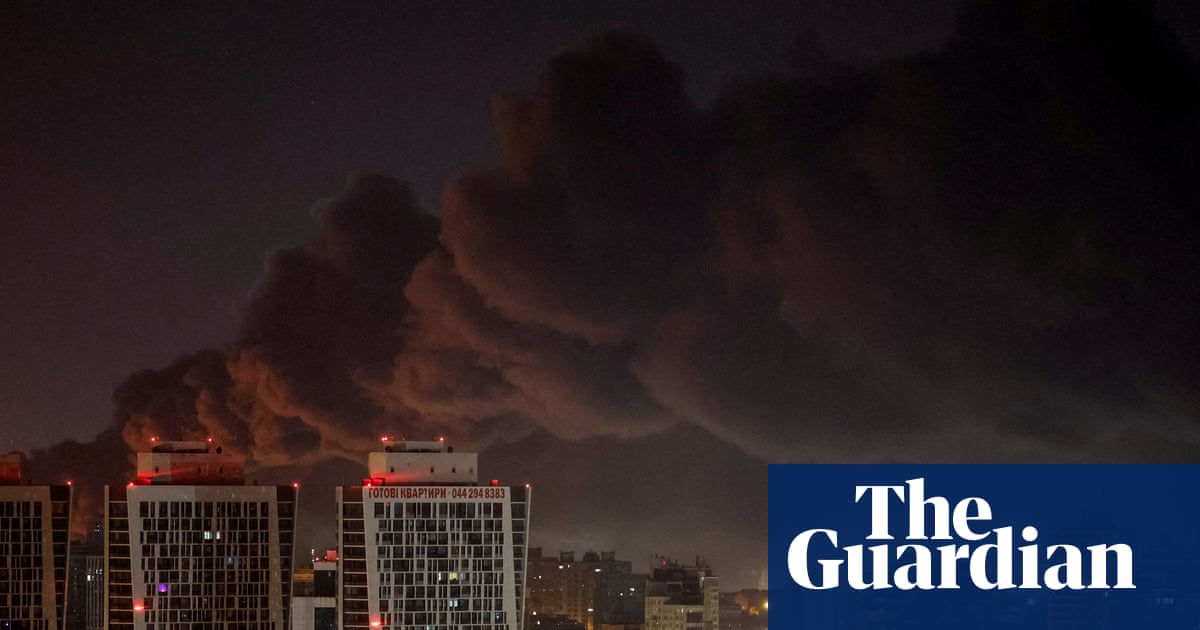
The immediate catalyst for this diplomatic friction was a devastating attack on the eastern city of Kramatorsk, where Russian bombs struck two public buses. The incident resulted in at least thirty-five fatalities, contributing to a grim two-day toll of more than seventy deaths and over two hundred injuries across Ukraine. United Nations High Commissioner for Human Rights Volker Turk condemned the scale and manner of these attacks, describing the targeting of civilians on transport and in residential areas as reprehensible and horrifying.
Central to Zelenskyy’s demands is an expansion of access to Starlink satellite internet services. The Ukrainian president argued that broader connectivity would enable his forces to more effectively target Russian ballistic-missile launchers. He drew a parallel to previous US actions, noting that Washington had opened similar systems when responding to threats from Iran. Zelenskyy framed this request not merely as a tactical necessity but as a strategic lever, suggesting that dominating the skies would force Russia to return to the negotiating table.
Despite these urgent appeals, US-led peace initiatives appear to have stalled. Washington’s attention has been partially diverted by its own conflicts in the Middle East, particularly regarding Iran. However, American officials indicated a renewed effort to engage in an enlarged diplomatic format. This follows recent visits to both Moscow and Kyiv by Jared Kushner and Jason Witkoff, who served as roving envoys for President Donald Trump. The upcoming discussions aim to address security guarantees, postwar economic plans, and other conflict-related issues.
Ukrainian negotiators are scheduled to travel to Florida this week for talks with US counterparts. Zelenskyy confirmed that his chief of staff, Kyrylo Budanov, along with senior officials Rustem Umerov, Sergiy Kyslytsya, and David Arakhamia, will participate in these meetings. The Ukrainian president urged European partners to join the discussions, hoping to present a unified front. He also called on President Trump to increase sanction pressure on Russia, viewing economic leverage as a critical component of any potential resolution.
Amid these diplomatic maneuvers, NATO announced it would commence its annual nuclear deterrence exercises in Italy. The drills, involving seventeen nations, are scheduled to run from October 13 to 23. A NATO statement characterized the event as a routine training activity designed to maintain readiness and test procedures essential for alliance defense. This military posturing occurs against a backdrop of growing concerns about Russian aggression and the broader security architecture of Europe.
Complicating the international landscape further, South Korea has recalled its ambassador to Ukraine following a diplomatic dispute. The rift stems from Zelenskyy’s public announcement that two North Korean prisoners of war were being transferred to Seoul. South Korean officials accused Kyiv of breaching a confidentiality agreement regarding the transfer of these captured soldiers. This incident highlights the delicate balance Kyiv must maintain between transparency with allies and operational secrecy in its complex geopolitical engagements.
The convergence of military escalation, diplomatic friction, and international disputes underscores the precarious state of the war on day 1,689. While US envoys prepare to discuss new proposals developed during their recent regional visits, the gap between Ukrainian demands for robust defensive tools and American caution remains wide. The outcome of the Florida talks may determine whether a fresh diplomatic track can emerge or if the conflict will continue its trajectory of high-intensity violence and stalled negotiations.
Sources behind this briefing
Go to the original reporting
- The Guardian US↗Ukraine war briefing: Zelenskyy criticises US, calls for more Starlink access, amid deadly Russian assault