The short version
- Volodymyr Zelenskyy alleges the Pentagon is delaying interceptor missile shipments already funded by European allies pending approval from Defense Secretary Pete Hegseth.
- Kyiv reports a lack of US intelligence warnings prior to recent Russian attacks, raising concerns that Washington may be leveraging information sharing to force capitulation.
- US envoy Steve Witkoff is scheduled to travel to Norway for peace negotiations involving multiple international stakeholders, while humanitarian crises persist in occupied territories.
Tensions between Kyiv and Washington have escalated sharply as Ukrainian President Volodymyr Zelenskyy accused the United States of intentionally obstructing military aid. Addressing US senators on Monday, Zelenskyy stated that the Pentagon is holding back deliveries of interceptor missiles that European nations have already financed through the Prioritized Ukraine Requirements List program. He indicated that these shipments remain stalled while awaiting the signature of US Defense Secretary Pete Hegseth, suggesting a political decision to decelerate support for Ukraine.
The Ukrainian leader further noted that several European countries are prepared to transfer Patriot interceptor missiles from their own reserves but are blocked by the lack of American authorization. Zelenskyy characterized these delays as part of a broader pattern of restrictive measures, including limitations on intelligence sharing, which he described as difficult to justify. A White House official, speaking anonymously to discuss sensitive diplomatic matters, countered that the US continues to play a constructive role in engaging both sides to bring the conflict to a close.
Compounding the dispute over arms transfers is a serious disagreement regarding intelligence cooperation. Zelenskyy revived allegations that Washington is withholding critical information to coerce Kyiv into surrendering to Moscow’s demands. He highlighted that Ukrainian forces did not receive advance warning from US partners before a Russian missile barrage targeted power plants in Kyiv late Sunday night. Yuri Ihnat, a spokesperson for the Ukrainian Air Force, confirmed that no alert was issued prior to this specific attack, though he noted that warnings were provided for subsequent strikes.
The absence of early intelligence has intensified fears within Kyiv that the Trump administration is using information access as leverage. President Donald Trump has previously blamed Ukrainian military operations against Russian oil refineries for contributing to rising fuel prices in the United States, a significant issue ahead of upcoming midterm elections. On Monday, Trump suggested that Zelenskyy might need to find alternative negotiators to end the war, signaling a shift in US diplomatic posture. Washington officials deny having altered their intelligence-sharing protocols with Kyiv.
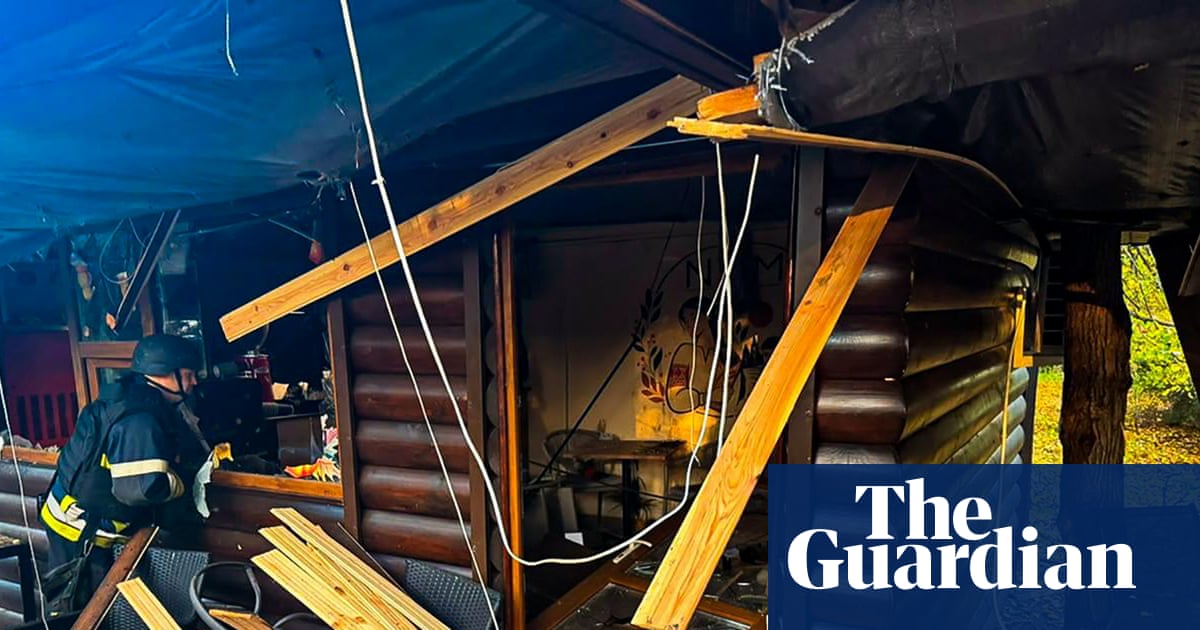
While diplomatic friction mounts, the human cost of the war continues to rise on the ground. Authorities reported that six people, including young children, were killed when a Russian drone struck a park in Nova Vodolaga, located in Ukraine’s northeastern Kharkiv region. Zelenskyy condemned the attack as a pure atrocity, noting that the drone hit civilians directly near an ordinary cafe. Among the victims was a one-year-old girl and her mother, underscoring the ongoing vulnerability of civilian populations despite international diplomatic efforts.
Amid these developments, preparations are underway for a new round of peace negotiations in Oslo. US envoy Steve Witkoff is expected to travel to Norway this week for discussions involving Ukrainian President Zelenskyy, Norwegian Prime Minister Jonas Gahr Store, and representatives from the E4 group comprising the UK, France, Germany, and Poland. The European Union and NATO are also anticipated to participate. Sources indicated that the schedules remain tentative and subject to change, reflecting the fluid nature of current diplomatic engagements.
Jared Kushner, Trump’s son-in-law and a key figure in previous negotiations, was initially expected to attend the Oslo talks in person but will reportedly participate virtually due to illness. Witkoff is also scheduled to travel to Russia to meet with President Vladimir Putin, according to sources familiar with the matter. These parallel diplomatic tracks highlight the complex web of interactions as the US attempts to balance pressure on Kyiv with direct engagement with Moscow.
Humanitarian concerns remain a focal point for international actors beyond the immediate military and political disputes. Pope Leo held a phone call with Zelenskyy on Monday, urging both Ukraine and Russia to cooperate in allowing aid and food into Oleshky, a town under Russian blockade. Residents of the occupied area have reported a worsening food crisis. The pontiff’s intervention follows a previous request to Putin for a ceasefire to facilitate aid delivery, which the Kremlin did not directly address despite stating it would help organize supplies.
Sources behind this briefing
Go to the original reporting
- The Guardian US↗Ukraine war briefing: Zelenskyy claims US deliberately delaying interceptor missile deliveries to Kyiv