The short version
- Security forces detained eleven individuals, including leading opposition candidate Brian Mundubile, alleging involvement in a planned armed uprising.
- The electoral commission briefly paused vote counting due to reported violence and ballot theft but resumed the process after claiming the threat was contained.
- Mundubile contests the government's narrative, describing the raid as an assassination attempt and alleging he was assaulted while in custody.
Security forces in Zambia have detained eleven individuals, including senior opposition figures, in a move that has intensified tensions following last week’s presidential election. The arrests occurred in the capital, Lusaka, where authorities claim to have uncovered an insurrection plot involving illegal military training and foreign nationals. Among those seized was Brian Mundubile, the leading challenger to incumbent President Hakainde Hichilema. The timing of the operation, which took place while vote counting was still underway, has raised questions about the stability of the democratic process in the Southern African nation.
Government officials, led by top civil servant Patrick Kangwa, stated that the suspects were linked to military plans posing a serious threat to state security. According to Kangwa, raiding teams discovered high-grade weapons and ammunition intended for use in an armed rebellion. He further alleged that law enforcement officers exchanged fire with the individuals during the operation. The detainees, which include Patrick Mwansa, husband of former President Edgar Lungu’s daughter, are currently being held at various police stations across Lusaka. The government maintains that these actions were necessary to neutralize a significant security risk.
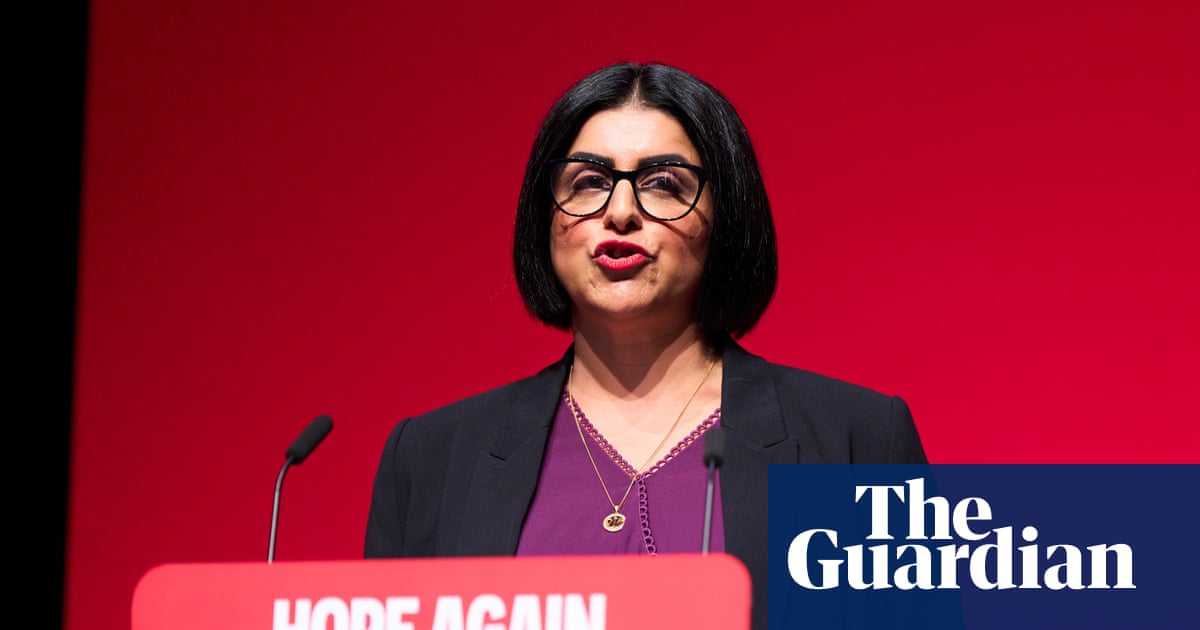
Mundubile has strongly rejected the official account of events. He characterized the raid as an attempt on his life and reported that colleagues were shot in his presence. After being taken into custody, Mundubile alleged that he was interrogated by army officers regarding two videos he had released and claimed he suffered physical assault while detained. These assertions have been denied by Zambian authorities, who maintain that the operation was lawful and justified by evidence of a coordinated threat. The conflicting narratives have added a layer of uncertainty to an already volatile political environment.
The electoral commission briefly suspended the counting and announcement of results on Friday, citing violence against polling staff and the theft of marked ballot papers. This pause in the process occurred as Mundubile was trailing Hichilema in preliminary tallies from more than half of the constituencies. However, the commission lifted the suspension later that same day, stating that the security threat had been contained. Observers described election day itself as largely peaceful and orderly, though they noted concerns regarding late electoral reforms and restricted media access during the campaign period.
Prior to his arrest, Mundubile had declared victory and raised serious allegations about irregularities in the voting process. He pointed to reports of military involvement at tallying centers and issues with ballot box handling. Additionally, he accused Tanzania of sending individuals to interfere in the election, a claim that the Tanzanian government firmly rejected as false and unfounded. These accusations have fueled speculation about external influences and internal power struggles, although concrete evidence supporting such claims remains limited.
The political landscape in Zambia has been shaped by recent controversies, including disputes over the burial of late President Edgar Lungu. This issue turned the election into a highly competitive contest, with voters divided along lines that extend beyond traditional party loyalties. The incumbent administration has faced scrutiny for its handling of education reforms, which made schooling free but resulted in overcrowded classrooms. These domestic challenges have provided a backdrop to the current crisis, highlighting the fragility of governance in a nation built on pan-African principles.
Despite the heightened security presence in parts of Lusaka, the general mood among Zambians remains relatively stable as they await the full election results. Uncertainty persists regarding the final outcome and the potential impact of the arrests on the legitimacy of the vote. International observers have called for transparency and adherence to democratic norms, emphasizing the need for all parties to respect the rule of law. The situation underscores the delicate balance between maintaining order and protecting political rights in a transitioning democracy.
As the investigation into the alleged insurrection plot continues, attention remains focused on whether the arrests will influence the final vote count or lead to further unrest. The government has yet to provide detailed evidence linking Mundubile directly to the weapons and training camps mentioned by Kangwa. Meanwhile, opposition supporters are demanding answers about the treatment of their leader and the fairness of the electoral process. The coming days will be critical in determining whether Zambia can navigate this crisis without compromising its democratic institutions.
The international community is watching closely as Zambia grapples with these developments. Diplomatic channels may play a role in de-escalating tensions, particularly given the regional implications of any prolonged instability. For now, the focus remains on ensuring that the election results are finalized accurately and that all citizens feel confident in the integrity of the process. The arrest of a major opposition figure during an active vote count sets a concerning precedent for future elections in the region.
In summary, the intersection of security concerns and electoral politics has created a complex situation in Zambia. While the government asserts it acted to prevent violence, critics argue that the timing of the arrests undermines confidence in the election. As more results come in, the true impact of these events on Zambian democracy will become clearer. The resilience of civil society and the commitment of electoral officials will be tested in the weeks ahead.
Sources behind this briefing
Go to the original reporting
- BBC World↗Top Zambian opposition figures arrested days after presidential vote