The short version
- Digital platforms have surpassed traditional TV chat shows in importance for celebrity promotional tours.
- YouTube executives argue that the platform complements rather than destroys the television industry.
- Established broadcasters are increasingly launching their own channels to capture audience attention.
The media hierarchy has undergone a significant reversal, with digital video platforms now rivaling traditional television networks for celebrity access and promotional influence. This shift was highlighted at the Edinburgh TV festival, where industry figures discussed how YouTube has become a critical destination for high-profile talent seeking to reach audiences, particularly those under thirty-five. The platform’s rise marks a departure from earlier years when publicists largely ignored online content creators in favor of established broadcast media.
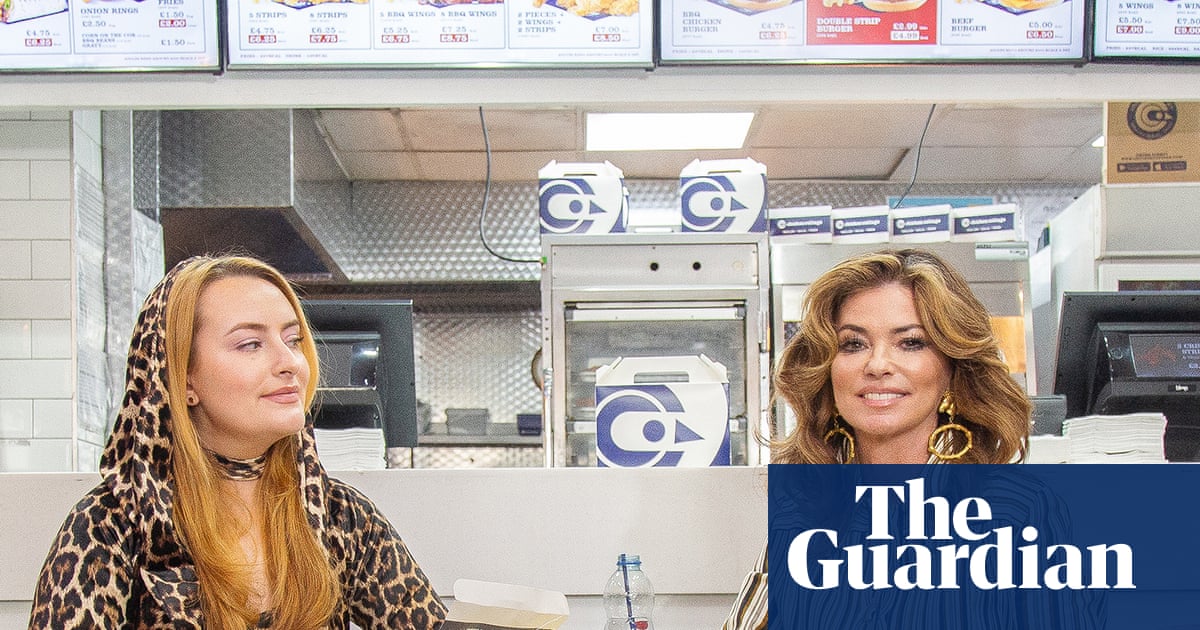
Amelia Dimoldenberg, creator of the mock interview series Chicken Shop Date, described this transformation as a watershed moment for digital media. When she launched the show in 2014, securing mainstream celebrities proved nearly impossible, with managers prioritizing appearances on prime-time television programs. Today, however, her program is considered essential for artists and actors promoting new projects, placing it on par with major broadcast institutions like BBC Radio 1 or Graham Norton’s chat show.
This change reflects broader trends in audience behavior and advertising revenue. Viewers across all age demographics are migrating to YouTube, driven by the platform’s ability to host diverse content and facilitate direct engagement between creators and fans. The success of shows like Chicken Shop Date demonstrates that digital media can generate viral moments and sustained interest comparable to traditional television events. Interviews featuring prominent figures such as Ed Sheeran, Jennifer Lawrence, and Paul McCartney have contributed to this growing influence.
Industry leaders are responding to these shifts by adapting their strategies. Pedro Pina, YouTube’s head for Europe, the Middle East, and Africa, delivered a keynote address at the Edinburgh festival asserting that the platform is not an adversary to television but rather a complementary force. He emphasized that the era of monopoly held by traditional TV networks has ended, necessitating new approaches to content distribution and audience retention.
In response, established media personalities are launching their own YouTube channels to maintain relevance and control over their narratives. Holly Willoughby recently started a channel that quickly amassed subscribers, while Amol Rajan is transitioning from BBC Radio 4 to create his own digital series. These moves illustrate how traditional broadcasters recognize the need to establish a presence on platforms where younger audiences spend significant time.
Conversely, some digital creators are exploring opportunities in conventional media. Dimoldenberg is developing projects for both British and American television, including a teen drama for the BBC and a romantic comedy for Hollywood. Her dual engagement with digital and traditional media underscores the converging nature of the modern entertainment landscape, where boundaries between platforms continue to blur.
The implications of this shift extend beyond individual creators to the broader structure of the media industry. As YouTube gains prominence, it challenges traditional models of celebrity promotion and audience engagement. Publicists now view appearances on digital shows as vital components of marketing campaigns, reflecting a fundamental change in how visibility is achieved and measured.
Looking ahead, the integration of digital and traditional media will likely deepen, with more collaborations and cross-platform initiatives emerging. The success of creators like Dimoldenberg suggests that authenticity and creative control are increasingly valued by audiences, driving demand for content that feels personal and unscripted. This trend may continue to reshape how stories are told and consumed in the coming years.
Ultimately, the rise of YouTube as a key player in celebrity media strategy highlights the dynamic nature of the entertainment industry. As platforms evolve and audience preferences shift, those who adapt to new technologies and formats will likely thrive. The lessons from this transition offer valuable insights for both creators and traditional media organizations navigating an increasingly complex landscape.
Sources behind this briefing
Go to the original reporting
- The Guardian US↗Rise of Chicken Shop Date highlights how YouTube turned the tables on TV

