The short version
- X has restricted access to over sixty accounts belonging to Saudi dissidents, academics, and independent media outlets within Saudi Arabia.
- This action contradicts the company's earlier statements that it would not comply with such requests and strongly believes in defending user voices.
- Human rights groups argue this move enables state suppression and sets a concerning precedent for other authoritarian regimes seeking to silence critics abroad.
X, the social media platform formerly known as Twitter, has blocked access to more than sixty accounts belonging to Saudi Arabian dissidents, activists, and independent journalists within the kingdom. This development marks a significant shift in the company’s approach to government censorship requests, following similar actions by other major technology firms including Meta and Snapchat earlier this year. The restrictions were implemented through geoblocking, a technical measure that prevents users located inside Saudi Arabia from viewing the content while leaving it accessible elsewhere.
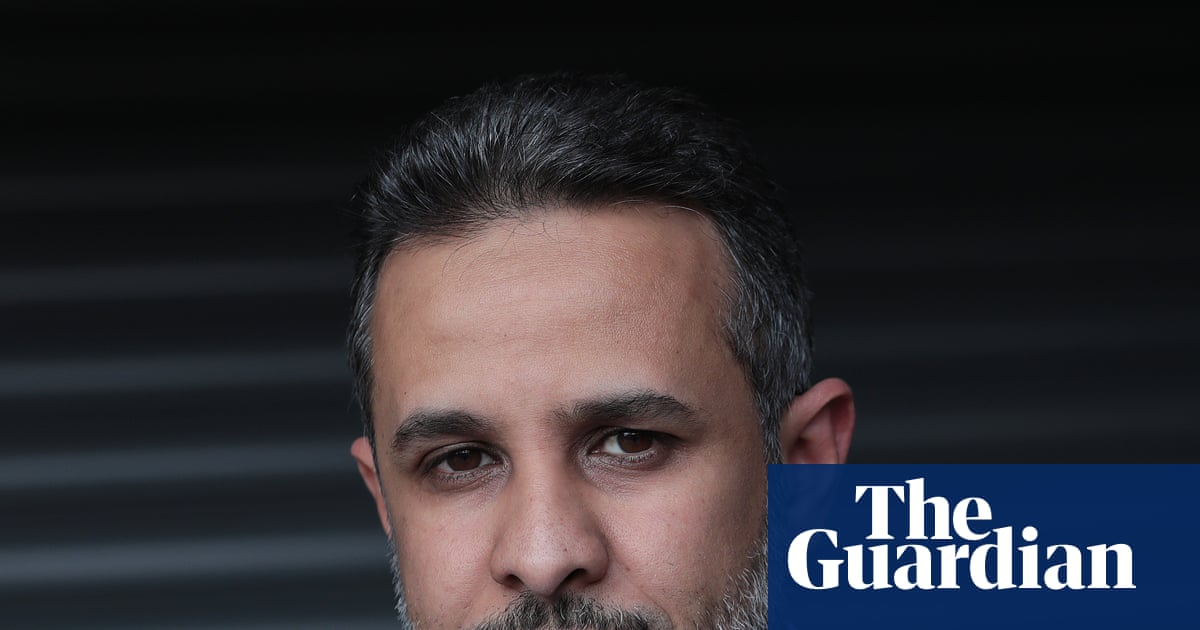
The affected accounts include those of prominent human rights advocates such as Yahya Assiri, who leads the London-based organization ALQST, and Abdullah Alaoudh, a US-based policy adviser and vocal critic of Saudi human rights practices. Other targeted individuals include exiled activists, academics, and satirists like Ghanem al-Masarir, whose work has previously drawn international legal attention after he was hacked and physically attacked in London. These users were notified via email that their content had been withheld to comply with X’s obligations under Saudi Arabian local laws.
This move stands in stark contrast to statements made by the company earlier this year. At that time, X asserted that it had not taken any action following requests from Saudi authorities and emphasized its commitment to defending and respecting the voice of its users. The current enforcement suggests a reversal or softening of that position, aligning the platform more closely with competitors who have already restricted similar content in the region.
According to documents reviewed by reporters, the Saudi decree attached to the notification letters alleges that the blocked accounts transmitted material infringing on public order, religious values, public morals, or the sanctity of private life. These broad categories are often used by authoritarian governments to suppress dissent and criticism. The lack of specific violations cited against X’s own community standards has drawn sharp criticism from those affected, who view the action as unjustified censorship rather than legitimate content moderation.
Abdullah Alaoudh described the situation as a betrayal of the fight against tyranny, noting that activists are now facing suppression not only in their home countries but also in exile. He highlighted the absence of clear rule violations as particularly troubling, suggesting that the platform is prioritizing legal compliance over its stated principles of free expression. This sentiment was echoed by Abdullah Aljuraywi, a campaigns officer at ALQST, who expressed disappointment that technology companies are enabling suppression instead of protecting speech.
The pattern of restriction extends beyond X. Earlier this year, Snapchat and Meta’s Facebook and Instagram also blocked dissident accounts in Saudi Arabia following similar allegations from local authorities. Meta previously explained that when content violates local law but not its own community standards, it may restrict availability in the country where the violation is alleged. YouTube has also taken action, notifying al-Masarir in May that two of his channels would be blocked in the kingdom after legal complaints from a government entity.
Ghanem al-Masarir, whose accounts were targeted on both X and YouTube, expressed surprise at Elon Musk’s decision to accede to Saudi demands. He warned that this compliance could encourage other authoritarian regimes worldwide to make similar requests, potentially leading to a broader erosion of digital free speech. The implications extend beyond individual cases, raising questions about the role of US-based technology platforms in facilitating state censorship.
ALQST has called on X, Meta, Snapchat, and YouTube to restore access to the blocked accounts and provide transparency regarding how these decisions were reached. Advocates argue that without clear justification and due process, these restrictions undermine trust in digital platforms as spaces for open discourse. The situation highlights the ongoing tension between corporate compliance with local laws and the protection of fundamental human rights.
As of now, X and the Saudi embassy in London have not provided further comment on the specific cases or the broader policy shift. The lack of transparency surrounding the decision-making process has fueled concerns among digital rights advocates. With more than sixty accounts already affected, the incident serves as a cautionary tale about the vulnerabilities faced by online critics operating under the scrutiny of repressive regimes.
The next steps remain unclear, but the precedent set by X’s actions could influence how other platforms handle similar requests in the future. If this trend continues, it may lead to increased fragmentation of the global internet, where access to information becomes increasingly dependent on geographic location and political pressure. For now, the focus remains on restoring access for those silenced and demanding accountability from tech giants.
Sources behind this briefing
Go to the original reporting
- The Guardian US↗Elon Musk’s X latest to block Saudi dissident accounts inside kingdom

